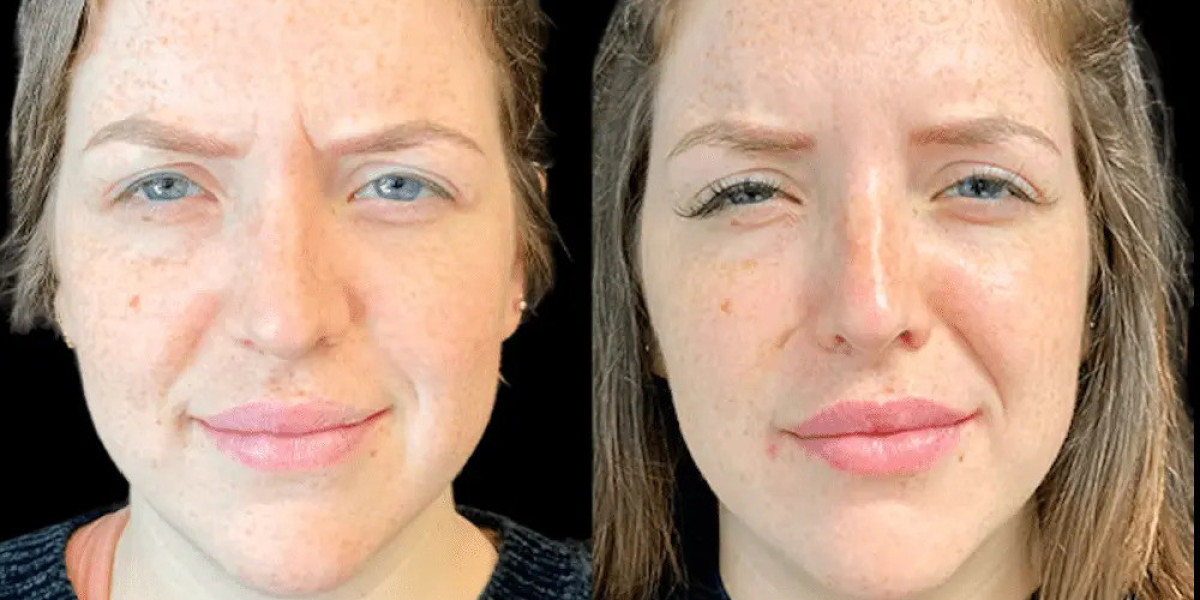
Choosing a professional skin-resurfacing treatment involves more than knowing which acid is being used. The formulation's pH, acid concentration, chemical properties, and intended depth all influence how it interacts with the skin. When considering a Chemical Peel in Dubai, understanding these factors helps explain why two products containing the same acid can produce different effects. A medically appropriate peel is selected according to the skin concern, sensitivity, treatment history, and the patient's ability to recover safely.
What Does pH Mean in a Chemical Peel?
pH measures how acidic or alkaline a water-based solution is. The scale generally ranges from 0 to 14, with lower values indicating greater acidity and higher values indicating greater alkalinity.
Many chemical peel formulations are acidic because they are designed to encourage controlled exfoliation. However, pH alone does not determine how strong or aggressive a peel will be.
A product's overall behaviour depends on several connected properties, including its acid concentration, formulation, buffering system, and the type of acid used.
Why a Lower pH Can Increase Acid Activity
For many exfoliating acids, a lower pH means a greater proportion of the acid is present in its un-ionized form. This can influence how readily the acid interacts with the skin.
However, a low pH should not automatically be interpreted as a treatment being more effective or suitable. A highly acidic formulation may cause excessive irritation if it is not appropriate for the patient's skin or is used outside its intended clinical conditions.
Understanding Acid Concentration
Acid concentration refers to the amount of a particular acid present in a formulation, commonly expressed as a percentage.
For example, two products may both contain glycolic acid but have different concentrations. Their effects may also differ because of variations in pH, vehicle, buffering, and other formulation characteristics.
Concentration is therefore only one part of the assessment.
Concentration Does Not Tell the Whole Story
A higher percentage does not automatically mean a better result. The interaction between concentration and pH influences the amount of active acid available in a formulation.
Other factors matter too:
Acid type: Different acids have different molecular structures and skin interactions.
Formulation: The product's vehicle and buffering characteristics can influence its behaviour.
Skin condition: A compromised or sensitive skin barrier may react differently from healthy skin.
Treatment area: Facial skin, neck skin, and body skin can have different levels of sensitivity.
Clinical objective: Acne-related congestion, superficial pigmentation, and rough texture may require different approaches.
This is why professional product selection should not be based on percentage labels alone.
Free Acid and Total Acid: Why the Difference Matters
Some formulations distinguish between total acid concentration and the amount of free acid available to interact with the skin.
Total acid refers to the overall amount of the acid ingredient in the product. Free acid generally refers to the un-ionized portion that is more readily available for certain chemical interactions.
The relationship between these values is influenced by pH and the acid's chemical properties.
Two products with an identical stated concentration can therefore behave differently. This helps explain why comparing peel products solely by their percentage can be misleading.
How pH and Concentration Influence a Chemical Peel in Dubai
A professional peel is selected to produce a controlled response appropriate for the patient's skin concern. The objective is not to maximize acidity but to achieve an appropriate level of exfoliation while limiting unnecessary irritation.
Superficial Exfoliation
Some formulations are designed to work mainly on the outermost skin layer. They may be considered for mild dullness, uneven texture, selected pigmentation concerns, or clogged pores.
The exact effect depends on the product and the patient's skin condition.
Medium-Depth Resurfacing
Medium-depth treatments reach further into the skin and require more careful patient selection. They may be considered for certain forms of sun damage, pigmentation, and fine lines.
Greater penetration can involve more noticeable recovery and a higher risk of complications, particularly when skin type and preparation are not adequately considered.
Deeper Chemical Treatments
Deep peels are more intensive medical procedures and are appropriate only for carefully selected patients. They require specialist assessment, a clear understanding of potential risks, and appropriate follow-up.
A deeper peel is not necessarily the best option for a patient seeking general brightness or mild texture improvement.
Why Different Acids Behave Differently
The chemical structure of an exfoliating acid influences its properties. Glycolic acid, salicylic acid, mandelic acid, and lactic acid do not interact with the skin in exactly the same way.
Some are water-soluble, while others have greater affinity for oil. Their molecular characteristics and formulation also influence their clinical use.
The acid should be chosen according to the concern being addressed rather than simply selecting the lowest pH or highest concentration.
Factors a Specialist Reviews Before Treatment
A consultation should consider the skin's current condition and the patient's medical history.
Important considerations include:
Natural skin tone and tendency toward post-inflammatory pigmentation.
Skin sensitivity and barrier condition.
Active acne, inflammation, or infection.
Previous chemical peels or resurfacing procedures.
Current use of retinoids and exfoliating skincare.
History of cold sores or abnormal scarring.
Recent sun exposure and tanning.
The patient's expectations and available recovery time.
These details help determine whether a peel is appropriate and which formulation may be considered.
Why Professional Supervision Matters
Chemical peel products are not interchangeable, and their application requires an understanding of formulation characteristics and skin response.
Using an unsuitable product or attempting to increase treatment strength can cause excessive irritation, chemical burns, pigmentation changes, or scarring.
Professional assessment is particularly important for patients with darker skin tones, melasma, sensitive skin, or a history of post-inflammatory hyperpigmentation.
Clinic Note
A peel's pH and acid percentage provide useful formulation information, but neither value independently determines safety or effectiveness. The appropriate treatment depends on the complete formulation, skin condition, treatment objective, and clinical supervision.
Frequently Asked Questions
Does a lower pH always mean a stronger chemical peel?
Not necessarily. Lower pH can increase the proportion of free acid for many formulations, but concentration, acid type, buffering, and the overall formulation also influence activity.
Is a higher acid percentage more effective?
Not automatically. A higher concentration may increase irritation risk without providing a better outcome for a particular skin concern.
Can two peels with the same acid percentage behave differently?
Yes. Differences in pH, formulation, buffering, and other product characteristics can influence how each peel interacts with the skin.
Is a low-pH peel suitable for sensitive skin?
Not always. Sensitive or compromised skin may require a different approach. A specialist should assess the skin barrier before selecting a treatment.
Can I choose a peel based on its pH label?
No. Product selection should consider the full formulation, clinical indication, skin type, and medical history rather than relying on a single number.
Making an Informed Chemical Peel Choice at Tajmeels Clinic
Understanding pH and acid concentration can help patients look beyond product labels when considering skin resurfacing. At Tajmeels Clinic, individuals exploring a Chemical Peel in Dubai can discuss their skin concerns and suitability through an individualized assessment. The focus is on selecting an appropriate formulation, setting realistic expectations, and supporting skin health throughout treatment and recovery.