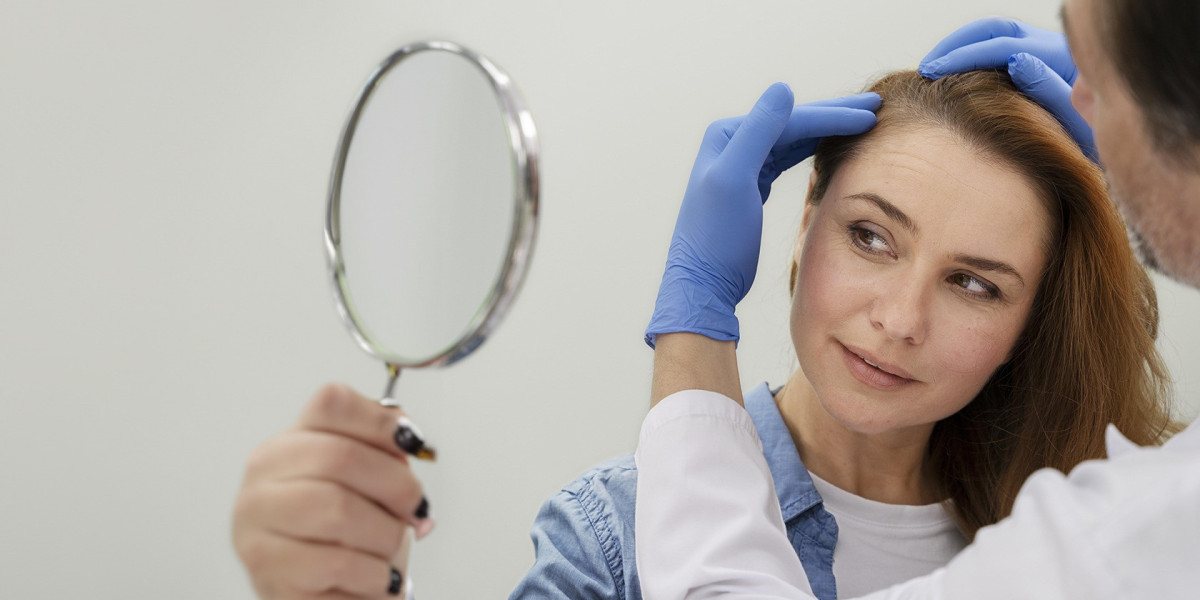
A thick, well-shaped beard is an important part of many men's personal style. However, not everyone naturally develops even facial hair growth. Some men experience patchy areas, thin beard density, or uneven growth because of genetics, scarring, hormonal factors, or other reasons. These concerns can affect the overall appearance of the beard and make it difficult to achieve a preferred style.
A beard transplant in Islamabad is a hair restoration procedure designed to improve facial hair density by transferring hair follicles from a donor area, usually the back or sides of the scalp, to selected areas of the beard. With careful planning and an appropriate technique, the procedure may help create a fuller and more balanced appearance. Understanding the process, preparation, recovery, and expected results can help individuals make informed decisions about Beard Hair Transplant in Islamabad.
What Is a Beard Hair Transplant?
A beard hair transplant is a cosmetic procedure in which healthy hair follicles are moved from one part of the body to areas of the face where facial hair is sparse or absent. The transplanted follicles are placed according to the individual's facial structure, existing beard pattern, and desired appearance.
The procedure is commonly performed using Follicular Unit Extraction (FUE). In this method, individual follicular units are carefully extracted from the donor area and implanted into the beard region. The aim is to achieve a natural-looking result that blends with existing facial hair.
Why Do Natural-Looking Results Matter?
A successful beard restoration procedure should complement the person's natural facial features rather than create an artificial or overly dense appearance. The direction, angle, spacing, and placement of each hair follicle influence the final outcome.
Natural-looking results are important because beard hair grows in different directions across the cheeks, jawline, chin, and moustache area. A skilled specialist considers these natural growth patterns when planning the transplant.
The goal is to create a balanced beard that suits the individual's face and looks consistent with surrounding facial hair.
How Is the Beard Transplant Procedure Performed?
The process generally begins with a consultation. During this appointment, the specialist examines facial hair growth, donor hair availability, skin condition, and the areas requiring improvement.
Once the treatment plan is prepared, the procedure may involve the following stages:
1. Donor Area Assessment
The specialist identifies a suitable donor area, usually at the back or sides of the scalp. Hair quality, density, and availability are evaluated before extraction.
2. Designing the Beard Shape
The beard outline is planned according to facial proportions and the individual's preferences. The specialist considers the cheek line, jawline, chin, and moustache connection to create a balanced design.
3. Follicle Extraction
Individual hair follicles are carefully extracted using the selected technique. The number of grafts depends on the size of the treatment area and the desired density.
4. Implantation
Small openings are created in the recipient area, and the extracted follicles are placed carefully. Their direction and angle are considered to support a natural-looking beard pattern.
Factors That Influence Natural Beard Transplant Results
Several factors can affect the final appearance of a beard transplant. Understanding them helps patients develop realistic expectations.
Hairline and beard design: A suitable beard outline should match the person's facial structure and existing hair growth.
Hair characteristics: Donor hair thickness, texture, and colour can influence how closely transplanted hair blends with natural facial hair.
Graft placement: Proper spacing, angle, and direction are important for achieving a natural appearance.
Donor hair availability: The amount and quality of available donor hair help determine the treatment plan.
Individual healing: Every person heals differently, so recovery and visible growth may vary.
Choosing an experienced hair restoration specialist is an important part of planning the procedure.
What to Expect During Recovery
Recovery after a beard transplant usually involves temporary redness, mild swelling, tenderness, and small scabs in the treated areas. These effects generally improve as the skin heals, although the recovery period differs from person to person.
Patients should follow the aftercare instructions provided by their specialist. These may include:
Avoiding unnecessary contact with the transplanted area.
Keeping the treated skin clean according to medical guidance.
Avoiding strenuous activities for the recommended period.
Not scratching or removing scabs.
Attending follow-up appointments when advised.
Some transplanted hairs may shed during the early weeks. This is a commonly expected part of the hair restoration process and does not necessarily mean the follicles have failed. New growth generally develops gradually over the following months.
How Long Does It Take to See Final Results?
A beard transplant does not produce an immediate full beard. Hair growth takes time because transplanted follicles need to settle and enter their natural growth cycle.
Initial shedding may occur during the early recovery period. New hair growth can become noticeable over the following months, while thickness and coverage continue to develop gradually. Final results may take around 9 to 12 months or longer, depending on individual healing and growth patterns.
Patients should understand that results vary. Some may achieve their desired density with one procedure, while others may need additional treatment depending on their goals and available donor hair.
Choosing the Right Specialist in Islamabad
Selecting a qualified and experienced specialist is essential when considering facial hair restoration. Patients should look for a clinic that offers proper consultation, personalised treatment planning, appropriate hygiene standards, and clear aftercare guidance.
Before choosing Beard Hair Transplant in Islamabad, consider asking about the specialist's experience, extraction and implantation techniques, expected graft numbers, possible risks, and realistic outcomes. Reviewing genuine before-and-after photographs may also help patients understand the type of results the clinic has achieved.
A detailed consultation allows the specialist to determine whether the procedure is suitable and explain alternative options when necessary.
Maintaining Your Beard Transplant Results
After the transplanted hair has grown, maintaining a healthy beard requires regular grooming and general skin care. Patients should follow their specialist's recommendations during recovery and avoid using harsh products on healing skin.
Once the area has healed, gentle cleansing, suitable moisturising products, and careful trimming can help maintain a neat appearance. A healthy lifestyle and balanced nutrition also support general hair health, although they cannot guarantee a particular transplant outcome.
Conclusion
A beard transplant may be a suitable option for men who want to improve patchy facial hair, increase beard density, or create a more defined beard shape. Natural-looking results depend on thoughtful planning, appropriate donor hair selection, precise follicle placement, and proper aftercare.
Anyone considering Beard Hair Transplant in Islamabad should arrange a consultation with a qualified specialist to discuss personal goals, suitability, recovery expectations, and potential risks. Making an informed decision can help individuals approach beard restoration with realistic expectations and greater confidence.
Frequently Asked Questions
1. How can I achieve natural-looking results with Beard Hair Transplant in Islamabad?
Natural-looking results depend on suitable beard design, careful graft placement, correct hair angles, and an experienced specialist. A personalised treatment plan helps the transplanted hair blend with existing facial hair.
2. How long does Beard Hair Transplant in Islamabad take to show results?
New growth usually develops gradually over several months. Visible improvement may appear earlier, while fuller results can take around 9 to 12 months or longer, depending on individual growth patterns.
3. Is Beard Hair Transplant in Islamabad suitable for patchy beard growth?
It may be suitable for individuals with sparse or uneven facial hair. However, a specialist must assess the cause of patchiness, donor hair availability, and overall suitability before recommending treatment.
4. What aftercare is required following Beard Hair Transplant in Islamabad?
Aftercare may include keeping the treated area clean, avoiding scratching, following washing instructions, and limiting strenuous activities for the recommended period. Patients should follow their specialist's individual guidance.
For more information visit
Enfield royal clinic in islamabad