
Indoor gardening has become increasingly popular among homeowners, commercial growers, greenhouse operators, and agricultural businesses. As more plants are cultivated indoors, reliable lighting has become essential for supporting healthy growth throughout the year. LED grow lights offer a practical solution by providing controlled illumination when natural sunlight is limited or unavailable.
Choosing the right lighting supplier can make a significant difference in product quality, energy consumption, and growing performance. A dependable manufacturer helps buyers identify suitable lighting systems for different plant varieties, cultivation environments, and commercial requirements.
Why LED Grow Lights Are Essential for Indoor Plants
Plants use light to support photosynthesis, the process through which they convert light energy into chemical energy. When plants grow indoors, their access to natural sunlight may be limited by building structures, seasonal changes, or cultivation layouts.
LED grow lights help growers provide supplemental or primary lighting according to the needs of their plants. They are available in different power levels, spectrum configurations, and fixture designs, making them suitable for herbs, leafy vegetables, seedlings, ornamental plants, and many other indoor crops.
Compared with many conventional horticultural lighting systems, LEDs can offer high energy efficiency and flexible light distribution. Selecting the right fixture, however, requires consideration of crop requirements, growing area, and environmental conditions.
Key Factors When Selecting an LED Grow Light Company
Finding a reliable supplier involves more than comparing product prices. Buyers should evaluate several important factors before making a purchasing decision.
1. Product Quality and Reliability
Look for manufacturers that maintain consistent production standards and provide detailed technical specifications. Reliable LED chips, drivers, and thermal management systems can contribute to stable performance over time.
2. Lighting Efficiency
Compare photosynthetic photon efficacy (PPE), measured in micromoles per joule, to understand how efficiently a fixture produces photosynthetically useful light. Photosynthetic photon flux (PPF) is another important measurement because it indicates the total amount of photosynthetically active photons emitted each second.
3. Spectrum Options
Different crops and growth stages can benefit from different lighting conditions. Review the available spectrum configurations and select products appropriate for your cultivation objectives.
4. Coverage and Light Distribution
The growing area, mounting height, fixture spacing, and canopy size all influence lighting performance. A suitable lighting system should provide appropriate coverage without excessive intensity or poorly illuminated areas.
5. Technical Support and Warranty
A dependable manufacturer should provide product documentation, installation guidance, warranty details, and responsive customer service. Commercial buyers should also confirm production capacity and delivery schedules before placing large orders.
Applications of Indoor LED Grow Lighting
LED grow lights are used in home gardens, vertical farms, commercial greenhouses, research facilities, and indoor nurseries. Small fixtures may suit herbs and decorative plants, while larger systems can support commercial cultivation projects.
For successful indoor growing, lighting should work alongside proper irrigation, nutrient management, airflow, temperature control, and humidity management. Monitoring plant responses and adjusting light intensity or operating schedules can help growers maintain suitable growing conditions.
Discover LED Grow Light Solutions from SINOCO
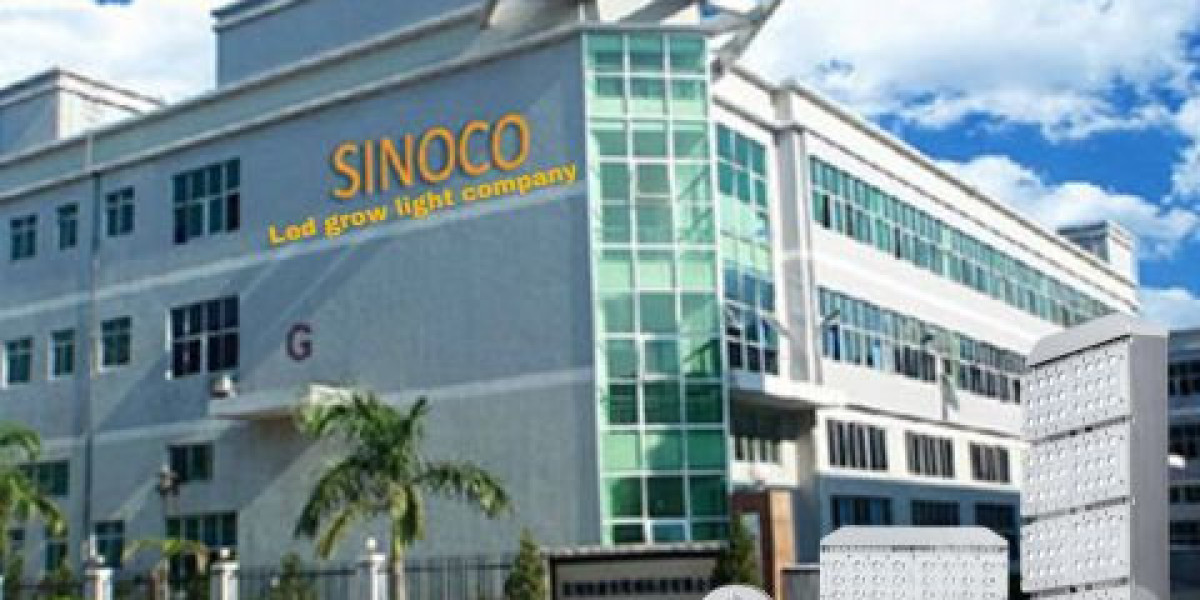
Selecting an experienced lighting supplier can simplify equipment sourcing for growers, distributors, and agricultural businesses. SINOCO offers LED lighting products for different applications, including horticultural lighting solutions for buyers exploring indoor cultivation equipment.
Before purchasing, compare technical specifications and verify that the selected fixtures meet your crop requirements, installation conditions, and local electrical standards. This careful approach helps businesses make informed investments and develop effective indoor lighting systems.
Whether you are expanding a horticultural product catalog or planning a new indoor farm, choosing suitable equipment is an important step toward reliable operations.
Explore the led grow light company page to learn more about SINOCO's lighting solutions and find options for your indoor plant projects.