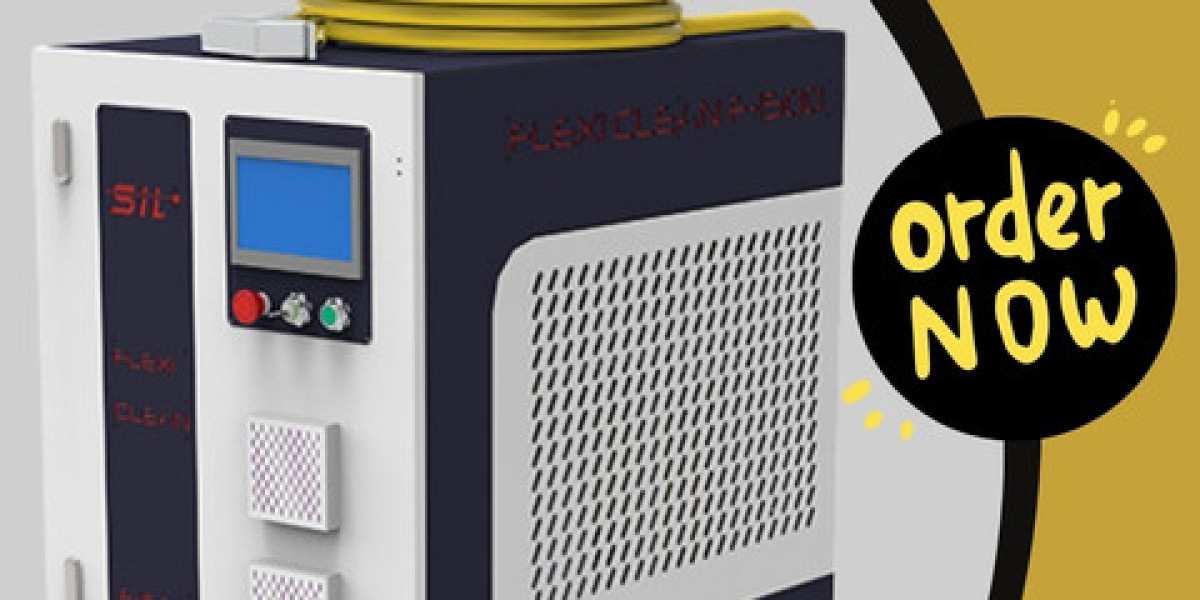

Rust can damage metal surfaces, reduce equipment efficiency, and affect the quality of industrial products. Traditional rust removal methods often require chemicals, abrasive materials, or extensive manual labor. Laser technology offers a modern alternative that helps businesses clean metal surfaces with precision and efficiency. A laser rust cleaner uses a focused laser beam to remove rust, oxidation, and other unwanted surface contaminants from various metal components.
How Does Laser Rust Cleaning Work?
Laser rust cleaning works by directing controlled laser energy onto a corroded metal surface. The energy interacts with the rust layer, helping remove unwanted material while minimizing contact with the underlying substrate when the process is correctly configured.
The cleaning process depends on several factors, including laser power, scanning speed, rust thickness, material type, and surface condition. Operators can adjust these settings to achieve the desired cleaning results for different industrial applications.
Compared with conventional cleaning techniques, laser cleaning does not require abrasive blasting media or chemical rust removers. This makes it an attractive option for manufacturers seeking a more controlled and modern surface preparation process.
Applications Across Different Industries
A laser rust cleaner can be used in many industrial environments where metal surfaces require cleaning before further processing.
Automotive Manufacturing: Automotive workshops can use laser cleaning to remove rust from metal components, brackets, and selected body parts before repair, welding, or refinishing.
Metal Fabrication: Fabrication companies can clean steel plates, metal frames, and structural components before welding, coating, or assembly.
Industrial Maintenance: Maintenance teams can remove corrosion from machinery parts, equipment housings, and metal fixtures to prepare surfaces for inspection or refurbishment.
Shipbuilding and Marine Equipment: Laser cleaning may help treat localized corrosion on suitable metal components used in marine environments, subject to equipment specifications and surface requirements.
Restoration Projects: Specialized cleaning systems can be used to restore certain metal tools, industrial components, and historical objects when carefully controlled settings are appropriate.
Choosing the Right Laser Rust Cleaning Machine
Selecting suitable equipment requires an understanding of the materials being cleaned and the scale of the operation. Low-power systems may be suitable for light rust and detailed cleaning tasks, while higher-power industrial machines can support demanding applications and larger working areas.
Buyers should consider laser power, pulse or continuous-wave operation, scanning capabilities, cooling requirements, portability, and available technical support. Compatibility with the intended metal surface is particularly important because excessive laser energy can damage the substrate or alter its finish.
Before purchasing a laser rust cleaner, businesses should also evaluate the thickness of the rust layer, daily cleaning requirements, operator training needs, and long-term maintenance costs. Requesting a demonstration using representative workpieces can help confirm whether a machine meets production expectations.
Safety and Operating Considerations
Laser cleaning equipment must be operated according to the manufacturer's instructions and applicable workplace safety standards. Direct or reflected laser radiation can cause serious eye and skin injuries, so appropriate laser-rated protective eyewear, controlled access, and suitable safety enclosures are essential.
The process can also generate airborne particles and fumes, particularly when removing coatings, oils, or other surface contaminants. Effective extraction and ventilation should be provided according to the material being processed. Operators should receive appropriate training before using industrial laser equipment.
A carefully designed work area helps maintain consistent cleaning quality while protecting employees and nearby equipment.
Why Businesses Are Investing in Laser Cleaning
Manufacturers are increasingly exploring laser cleaning as part of their efforts to modernize surface preparation. The process can reduce dependence on consumable abrasives and chemical cleaning agents, while providing precise control over the treatment area.
Actual productivity and operating costs depend on the application, equipment configuration, labor requirements, and the condition of the metal surface. Businesses should compare these factors with their existing cleaning methods before making an investment.
Final Thoughts
Laser technology is changing the way industries approach corrosion removal and metal surface preparation. With suitable equipment, correct operating parameters, and proper safety measures, a laser rust cleaner can help businesses handle rust removal tasks with greater precision and process control. Evaluating application requirements and testing the equipment before purchase can help companies choose a reliable solution for their long-term industrial cleaning needs.