
The Cultural Significance of Gongfu Tea Brewing
To understand the beauty of these tea vessels, one must first explore the traditional Gongfu tea ceremony. Translating roughly to "making tea with skill or effort," Gongfu Cha is a practice that originated in China's Fujian and Guangdong provinces before spreading across the globe. Unlike western brewing methods, which often rely on large teapots and long steeping times, Gongfu brewing utilizes high leaf-to-water ratios and short, repeated infusions.
This delicate balance requires precision tools. Every piece of a traditional chinese tea set plays a specific role in maintaining temperature, controlling water flow, and preserving the subtle flavor nuances of oolong, pu-erh, green, and black teas. By engaging with these ceremonial tools, you slow down, tune into your senses, and honor a artistic legacy that has been refined over generations.
Essential Components of an Authentic Tea Setup
A complete classical collection consists of several specialized items, each engineered to harmony:
The Gaiwan (Lidded Bowl)
Considered the versatile heart of classical brewing, the Gaiwan consists of three pieces: a saucer, a bowl, and a lid. The saucer represents the earth, the lid represents heaven, and the bowl represents humanity sitting in between. Crafted usually from fine white porcelain or glazed clay, the Gaiwan allows you to observe the leaves unfurling and appreciate the fresh aroma trapped beneath the lid before pouring.
The Yixing Zisha Teapot
Originating from the Jiangsu province, Yixing teapots are forged from porous purple clay (Zisha). These unglazed clay teapots absorb the essential oils of the tea over years of continuous use, developing a rich luster and subtle flavor depth unique to the owner's brewing history. Because of this natural absorption, connoisseurs often dedicate a specific Yixing pot to one specific category of tea, such as aged pu-erh or dark oolongs.
The Cha Hai (Fairness Pitcher)
Also known as the "Gongdao Bei" or Pitcher of Justice, this vessel ensures that every guest receives tea of the exact same strength and color. When pouring directly from a teapot into individual cups, the first cup is naturally lighter while the last cup is far stronger. By pouring the brewed liquid into the fairness pitcher first, the tea is mixed evenly before being distributed.
Pinming Bei (Tasting Cups) and Fragrance Cups
Chinese tea cups are purposefully small, designed for slow sipping and full sensory appreciation rather than quick consumption. In some traditional setups, you will find pairing sets: a tall, narrow fragrance cup to capture and evaluate volatile aromas, alongside a shallow tasting cup for enjoying the liquor on your palate.
The Tea Tray (Cha Pan)
The tea table acts as the stage for your entire ritual. Designed with a slatted top and a hidden drainage reservoir beneath, it allows you to discard rinse water and warm vessels directly onto the board without causing any mess. Trays are commonly crafted from water-resistant bamboo, carved natural stone, or rich hardwoods like sandalwood and rosewood.
Premium Materials That Define Artisan Quality
The performance and aesthetic elegance of your brewing gear heavily depend on the materials selected by the artisan master:
Zisha (Purple Clay): Renowned for exceptional heat retention and porous properties. Ideal for fermented and roasted teas like Pu-erh, Tieguanyin, and Wuyi Rock Teas.
Dehua Porcelain: Famous for its smooth, ivory-white finish known historically as "Blanc de Chine." Porcelain is non-porous and completely neutral, meaning it will not alter the natural taste profile of delicate white or green teas.
Celadon: Recognizable by its soft, jade-like glaze and intricate crackle patterns. Celadon vessels add timeless antique charm and substantial weight to your tea table.
Heat-Resistant Borosilicate Glass: A contemporary addition that retains classic Gongfu proportions, allowing tea lovers to visually admire the vibrant color of the liquid and the physical movement of expanding tea leaves.
Transforming Daily Living into a Mindful Sanctuary
Incorporating a traditional chinese tea set into your everyday routine introduces an immediate sense of calm and visual elegance to your home space. Setting up a dedicated tea corner creates a personal sanctuary where you can disconnect from screen noise and modern rush.
Inviting guests over for a Gongfu session turns ordinary hospitality into an engaging, memorable social event. As you handle the warm ceramics, share multiple steepings from high-grade leaves, and observe how flavor notes evolve from steep to steep, conversation flows naturally. It is an art form that brings people together over shared warmth and relaxed presence.
Caring for and Maintaining Fine Clay and Porcelain
Proper maintenance ensures that your tea apparatus lasts for decades while retaining its beauty and functionality:
Rinse Immediately: After every session, remove all spent tea leaves promptly to prevent sour residues or mold formation inside humid chambers.
Avoid Detergent on Unglazed Clay: Never use dish soap, chemical cleaners, or abrasive sponges on Yixing purple clay pots. Because the material is porous, it will soak up artificial scents and soap flavors, ruining future brews. Wash using boiling hot water only.
Air Dry Thoroughly: Leave lids off Gaiwans and pots, placing all pieces upside down on a clean linen towel to dry completely in an open, well-ventilated space.
Polish with Tea Liquors: Gently wipe the exterior of warm clay teapots with a soft cotton cloth dampened with fresh tea. Over time, this builds a glossy patina prized by collector enthusiasts worldwide.
How to Choose the Perfect Set for Your Lifestyle
When selecting your ideal set, consider where and how you intend to enjoy your tea sessions.
For Home Meditation: A multi-piece solid bamboo or stone tray setup with a Gaiwan, fairness pitcher, strainer, and six porcelain tasting cups offers the full immersive Gongfu experience.
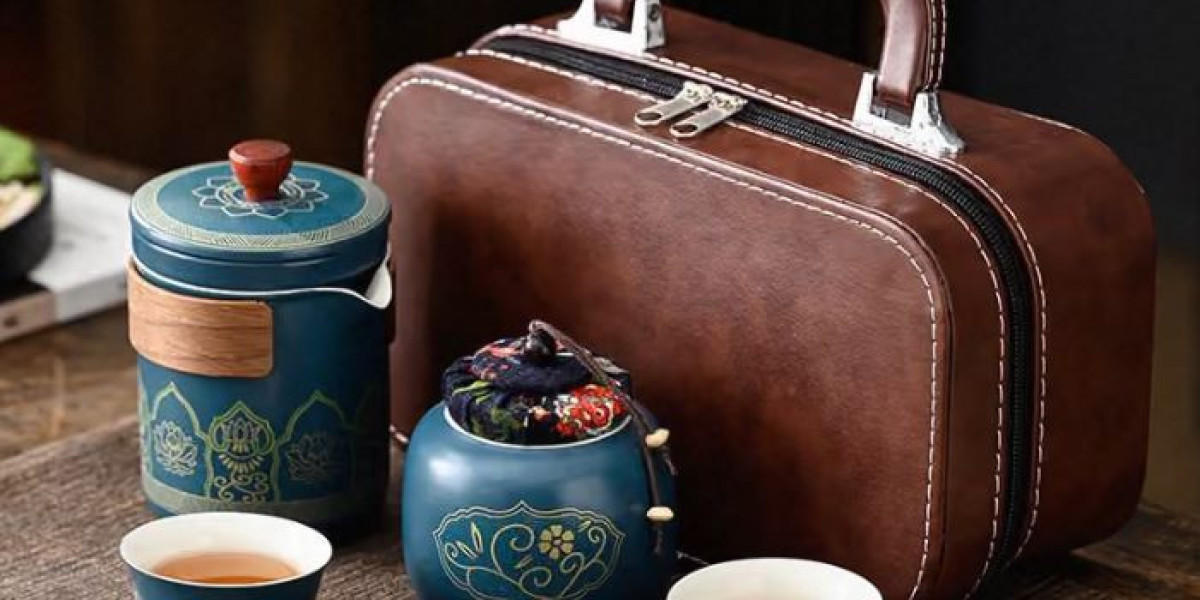
For Travel and Office: Compact, portable sets housed in padded protective travel cases feature nesting cups and easy-pour Gaiwans, letting you practice mindful brewing at work or outdoors in nature.
For Collectors: Hand-carved Yixing clay teapots signed by certified ceramic artists offer both functional excellence and investment value as classic decorative centerpieces.
Investing in high-quality tea ware bridges the gap between functional kitchenware and soulful artistic expression, allowing you to enjoy loose-leaf tea exactly as master blenders intended.
Final Thoughts
Stepping into the world of authentic tea preparation opens a door to tranquility, sensory appreciation, and timeless cultural beauty. A traditional chinese tea set is far more than a collection of brewing tools; it is an invitation to pause, breathe, and honor the present moment through a quiet, beautiful ritual. Whether enjoyed alone in peaceful morning solitude or shared with close friends around a wooden tea table, these finely crafted ceramic and clay vessels transform every leaf into an unforgettable experience.