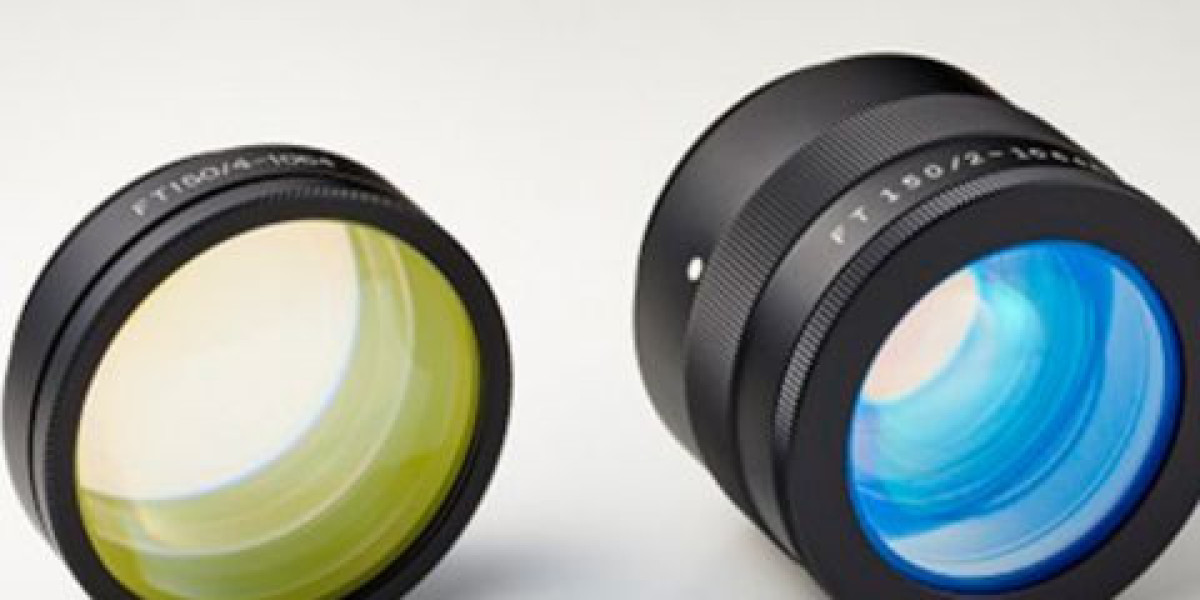

Optic fiber welding is an advanced joining technology that uses concentrated laser energy to create strong, precise welds across a wide range of metal applications. It is widely used in modern manufacturing because it supports accurate processing, consistent weld quality, and efficient production. From industrial equipment to automotive components, this technology is helping businesses improve their metal fabrication processes and meet demanding production requirements.
What Is Optic Fiber Welding?
Optic fiber welding uses a fiber laser source to generate a concentrated beam of light, which is delivered through an optical fiber to the welding head. The laser beam focuses intense energy on a specific area, melting the metal and forming a weld as the material cools.
The process can be integrated into handheld welding systems, automated production lines, and robotic manufacturing equipment. Depending on the material, thickness, joint design, and required weld quality, operators can adjust the processing parameters to achieve suitable results.
How Does the Welding Process Work?
The welding process begins with preparing the metal surfaces and positioning the workpieces correctly. The laser source then generates a beam that travels through an optical fiber to the welding head.
When the focused beam reaches the workpiece, it creates localized heat that melts the metal along the joint. As the molten material cools, it forms a bonded connection. Proper control of laser power, welding speed, focus position, and shielding gas helps maintain stable processing conditions.
In industrial applications, these parameters are selected according to the specific material and production requirements. Appropriate safety equipment and operator training are also essential when working with high-powered laser systems.
Common Applications of Optic Fiber Welding
Optic fiber welding is suitable for numerous industrial applications where accuracy and repeatability are important.
Automotive Manufacturing: Manufacturers use fiber laser welding for selected vehicle components, metal assemblies, brackets, and precision parts.
Stainless Steel Fabrication: The technology supports the fabrication of enclosures, cabinets, kitchen equipment, and industrial structures made from stainless steel.
Electronics and Electrical Equipment: Carefully controlled laser welding can be used for compatible electrical components, connectors, and small metal assemblies.
Industrial Machinery: Equipment manufacturers use laser welding for selected machine components, metal housings, and fabricated parts.
Custom Metal Workshops: Depending on the system configuration, workshops can use handheld laser welders for suitable repair, fabrication, and assembly tasks.
Material compatibility, joint geometry, and required penetration should always be evaluated before selecting a welding process.
Choosing the Right Fiber Laser Welding Machine
Selecting the right equipment requires an understanding of your production goals. Consider the materials you process most frequently, their thickness, the required welding speed, and the expected working hours.
Laser power is an important consideration, but a higher power rating does not automatically produce better welds. The appropriate system should match the application, joint design, and required penetration depth.
Other factors include the welding head, optical fiber configuration, cooling system, control interface, consumables, maintenance requirements, and availability of technical support. Businesses planning automated production should also consider compatibility with robotic equipment and existing manufacturing systems.
Before purchasing a machine, request application testing and verify that the supplier can demonstrate satisfactory results on your actual workpieces.
Improving Weld Quality and Production Efficiency
Consistent results depend on more than the laser source itself. Clean material surfaces, accurate joint alignment, suitable parameter settings, and stable workpiece positioning all contribute to reliable welding.
Operators should follow the manufacturer's maintenance schedule and inspect optical components regularly. Contamination or damage to protective lenses can affect beam performance and increase maintenance costs.
A well-planned production workflow also helps reduce unnecessary downtime. Standardized operating procedures, routine equipment checks, and proper operator training can support repeatable results across different jobs.
Why Invest in Modern Fiber Laser Welding Equipment?
For manufacturers seeking to modernize their fabrication operations, optic fiber welding can provide a practical route toward more controlled and consistent metal joining. The technology can be configured for different production environments, from small fabrication workshops to large industrial facilities.
Working with an experienced equipment supplier helps businesses identify a suitable machine configuration, understand operating requirements, and evaluate the expected return on investment. A careful comparison of specifications, service support, consumable costs, and application performance can help ensure that the selected equipment meets long-term production needs.
Final Thoughts
Optic fiber welding is becoming an important technology in precision metal fabrication, offering manufacturers a modern approach to joining compatible metal components. Successful implementation depends on selecting appropriate equipment, establishing correct welding parameters, and maintaining safe operating practices. By evaluating application requirements and choosing a reliable supplier, businesses can integrate fiber laser welding into their production workflows and work toward consistent, high-quality manufacturing results.