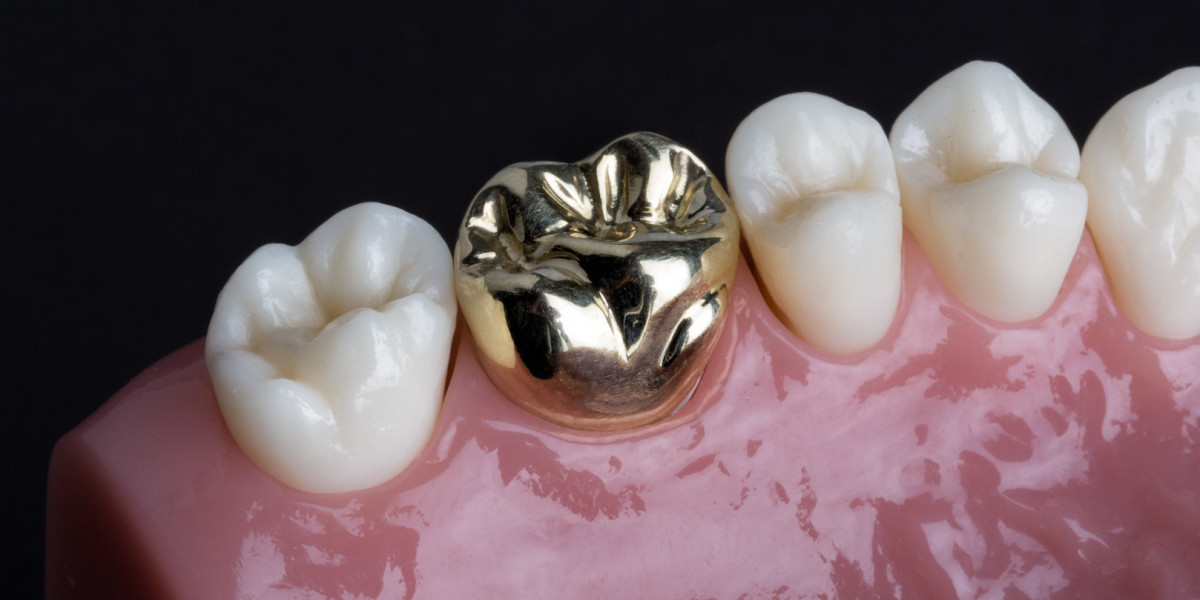

Have you had a dental crown for several years and started noticing discomfort, a loose fit, or a dark line near your gums? You might worry that replacing it means removing the entire tooth. Fortunately, an old dental crown can often be replaced without extracting the natural tooth underneath it.
A dental crown is designed to protect a weakened or damaged tooth, but it does not necessarily last forever. Over time, the crown may wear down, crack, become loose, or develop problems around its edges. For patients considering Dental Crowns in Islamabad, understanding when a crown needs replacement can help them make informed decisions about their oral health.
Can a Dental Crown Be Replaced Without Removing the Tooth?
Yes, in many cases, a dentist can remove an existing crown and fit a new one while preserving the natural tooth. The procedure depends on the condition of the crown, the health of the underlying tooth, and whether any decay or infection has developed.
Replacing a crown is different from extracting a tooth. The dentist carefully removes the old restoration, examines the remaining tooth structure, and determines whether it can support a replacement crown.
If the tooth is healthy enough, a new crown can restore its shape, strength, and function. However, if the tooth has extensive decay, a fracture extending below the gumline, or severe structural damage, additional treatment may be necessary before a replacement is possible.
Why Might an Old Dental Crown Need Replacement?
Dental crowns can last many years, but their lifespan varies according to the material used, oral hygiene habits, bite pressure, and regular dental care. A crown that once fitted comfortably may eventually require attention.
Recognising changes early can help prevent further damage. Some problems affect the crown itself, while others develop in the natural tooth or gums surrounding it.
Common reasons for replacing an old crown include:
Cracks or chips: Damage to the crown may affect its appearance, strength, or ability to protect the tooth.
Loose fitting: A crown that moves or feels unstable may no longer provide a reliable seal.
Decay around the edges: Bacteria can enter around a damaged or poorly fitting crown and cause decay in the underlying tooth.
Gum changes: Gum recession may expose the crown margin or make an older restoration more noticeable.
Wear and discolouration: The crown may become worn, damaged, or aesthetically unsuitable compared with nearby teeth.
Changes in the bite: A crown that feels too high or interferes with chewing may need adjustment or replacement.
Not every old crown needs to be replaced simply because it has been in place for a long time. A dental examination is the best way to determine whether replacement is necessary.
How Does a Dentist Remove an Old Crown?
The process usually begins with an examination of the crown, gums, and underlying tooth. The dentist may take dental X-rays to check for hidden decay, infection, or changes around the tooth roots.
The method used to remove the crown depends on its material, condition, and how securely it is attached. Some crowns can be removed with specialised instruments, while others may need to be cut into sections for careful removal.
The priority is to preserve as much healthy natural tooth structure as possible. If a crown needs to be sectioned, the dentist works carefully to avoid unnecessary damage to the tooth beneath it.
After removing the old crown, the dentist examines the exposed tooth. If the tooth is suitable for a replacement, the area is prepared for the new restoration. If decay or another problem is found, it must be addressed before the final crown is fitted.
What Happens to the Tooth Underneath the Old Crown?
The condition of the underlying tooth plays a major role in deciding whether a replacement crown will be successful. A tooth may remain healthy for years beneath a well-fitting crown, but problems can sometimes develop without obvious symptoms.
An old crown does not automatically mean the tooth underneath is damaged. Some patients need only a new restoration, while others require additional treatment.
If the dentist finds a small area of decay, it may be possible to remove the affected tissue and rebuild the tooth before placing the new crown. If the tooth has significant structural damage, a core build-up may be required to provide adequate support.
When decay or infection has reached the dental pulp, root canal treatment may be recommended if the tooth can still be saved. However, a severely fractured tooth or one with insufficient healthy structure may not be suitable for another crown.
The dentist should explain the findings and available options before treatment begins.
Can a New Crown Be Fitted on the Same Day?
Sometimes, yes. The timing depends on the condition of the tooth, the type of crown, and the dental clinic's available technology.
Traditional crown treatment often involves preparing the tooth, taking an impression or digital scan, and sending the information to a dental laboratory. A temporary crown may be placed while the permanent restoration is being made.
Same-day crown replacement may be possible in selected cases when suitable chairside scanning and crown-manufacturing technology is available. However, not every tooth or clinical situation is appropriate for this approach.
If the tooth requires root canal treatment, substantial rebuilding, or management of gum problems, treatment may need to take place over multiple visits. Your dentist can provide a realistic timeline after examining the tooth.
Which Type of Crown Is Suitable for Replacement?
The best material depends on the tooth's location, chewing forces, appearance, and the amount of natural tooth structure remaining. Your dentist may discuss several options based on your individual needs.
| Crown material | Common considerations |
|---|---|
| Zirconia | Known for strength and available in tooth-coloured options |
| Porcelain-fused-to-metal | Combines a metal base with a tooth-coloured outer layer |
| All-ceramic or porcelain | Often considered for a natural-looking appearance, especially on visible teeth |
| Metal alloy | Can provide durability, although its metallic appearance may not suit every patient |
There is no single crown material that is best for everyone. A back tooth exposed to heavy chewing forces may have different requirements from a front tooth where appearance is a major concern.
When exploring Dental Crowns in Islamabad, ask your dentist about the advantages, limitations, expected lifespan, and maintenance requirements of each suitable material.
Does Replacing an Old Crown Hurt?
Most crown replacement procedures are performed using local anaesthesia to keep the patient comfortable. You may feel pressure or vibration during removal, but sharp pain should be addressed promptly by the dental professional.
Some temporary sensitivity or gum tenderness can occur after treatment, particularly if the tooth has been extensively prepared or required additional procedures. The level of discomfort varies depending on the tooth's condition and the complexity of the treatment.
Replacing a crown does not always require root canal treatment. If the underlying tooth and its nerve are healthy, the dentist may be able to replace the crown without treating the pulp.
Contact your dentist if you experience severe or worsening pain, persistent swelling, fever, or difficulty biting after treatment. These symptoms may indicate a problem that needs prompt assessment.
How Can You Make a New Crown Last Longer?
Good oral hygiene and regular dental check-ups help protect both the new crown and the natural tooth beneath it. Although a crown cannot decay, the tooth around its edges can still develop cavities.
Brush twice daily with fluoride toothpaste and clean between your teeth every day. Avoid chewing ice or other very hard objects, and discuss a night guard with your dentist if you grind or clench your teeth.
Routine dental visits can identify small problems before they become more serious. Your dentist can check the crown's fit, examine the surrounding gums, and assess whether the bite needs adjustment.
If your crown becomes loose, cracked, or uncomfortable, arrange an appointment rather than trying to repair it yourself. Prompt attention may help preserve the tooth and prevent complications.
When Should You Seek Professional Advice?
Do not ignore a crown that has changed in appearance or no longer feels secure. Food repeatedly getting trapped around its edges, sensitivity to hot or cold, bleeding gums, or pain when chewing can all warrant a dental assessment.
A dentist will determine whether the crown can be repaired, needs replacement, or is associated with an underlying problem requiring additional treatment. The sooner the cause is identified, the more clearly your treatment options can be assessed.
For patients considering Dental Crowns in Islamabad, a personalised examination is more useful than deciding based on the crown's age alone.
Restore Your Smile with Professional Dental Care
If you have an old crown that feels uncomfortable or needs replacement, Dynamic Aesthetic Clinic can be considered for a consultation about suitable dental restoration options. Ask about the team's relevant expertise, appropriately qualified dental professionals and board-certified specialists where applicable, and advanced techniques for assessing the tooth and planning a replacement crown that supports function and appearance.