
High performance is often associated with ambition, discipline, expertise, and the ability to consistently deliver results. Yet for many accomplished professionals, executives, founders, physicians, advisors, and philanthropic leaders, the greatest challenge is not a lack of effort or opportunity. It is a lack of structural clarity.
People can work harder, earn more, build successful organizations, and accumulate significant resources while still overlooking the systems that influence their long-term outcomes.
Leadership structures, governance models, economic systems, incentives, institutional relationships, and philanthropic frameworks can quietly shape decisions long before their consequences become visible.
This is the layer where Antomius Wise works.
Making the Invisible Mechanics Visible
Antomius Wise is more than a keynote speaker. He is an institutional systems speaker, systems strategist, and executive educator focused on helping leaders understand the structures that influence outcomes.
His work explores the relationship between strategic philanthropy, governance, economic systems, institutional thinking, compliant structures, and long-term impact.
The objective is not simply to provide another motivational message. Instead, the goal is to help decision-makers develop better mental models for understanding the environments in which they operate.
When leaders can see the architecture behind a decision, they can begin asking better questions.
Who controls the decision?
What incentives influence the participants?
How is governance structured?
Where does capital flow?
What happens over multiple generations?
Which assumptions are creating blind spots?
These questions can change the way leaders approach organizations, wealth, philanthropy, and institutional growth.
Where Capital, Governance, and Legacy Intersect
Antomius Wise's work is designed for environments where financial resources, organizational responsibility, and long-term legacy intersect.
Wealth Advisors and Trust Networks
For wealth advisors and trust networks, structural education can complement existing fiduciary relationships. Discussions can explore governance, institutional thinking, economic systems, and strategic philanthropy without turning the conversation into a transactional sales process.
Executive Leadership Teams
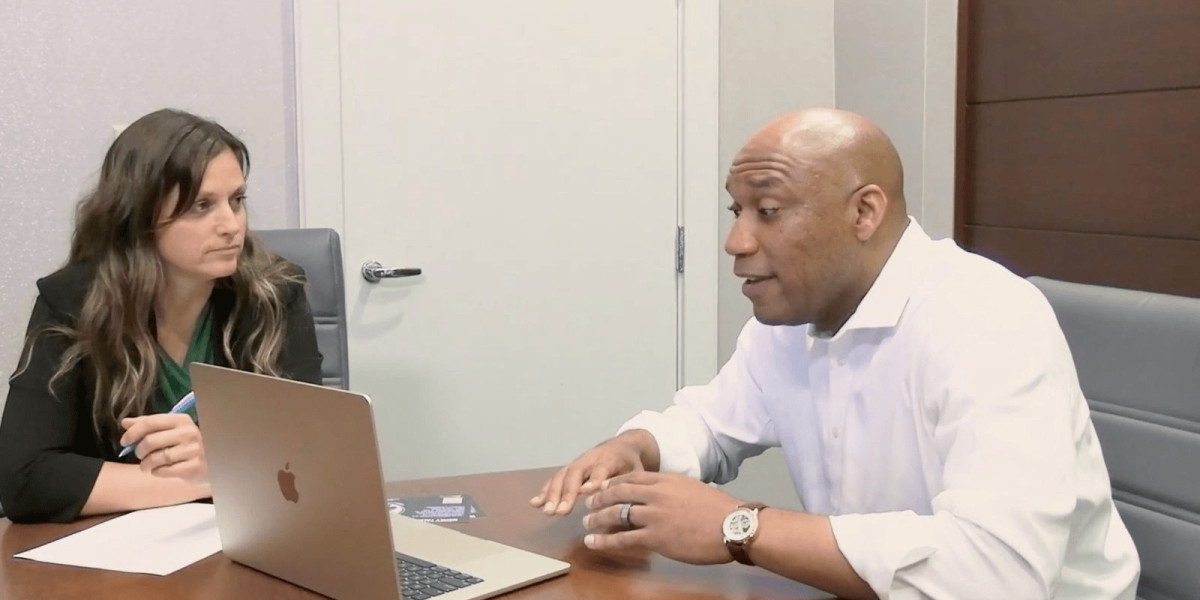
Leadership teams frequently operate within complex systems of incentives, responsibilities, stakeholders, and governance requirements. Private executive briefings provide an opportunity to examine those structures more closely and consider how they influence organizational decision-making.
Physicians and High-Income Professionals
Professionals carrying significant financial, organizational, or community responsibilities may benefit from understanding the structures surrounding their success. Structural literacy can provide a broader perspective on governance, capital, incentives, and long-term planning.
Entrepreneurs and Organizations
Founders often begin by building companies. Over time, however, successful organizations can become institutions with employees, stakeholders, governance responsibilities, capital relationships, and lasting influence.
Institutional thinking helps founders consider not only what they are building today, but what structures will support that organization tomorrow.
Universities and Associations
Universities, associations, and professional organizations can use executive education and institutional keynotes to introduce audiences to complex ideas surrounding governance, economic structures, leadership, and social impact.
Civic, Philanthropic, and Family Office Leaders
For civic and philanthropic leaders, the central question may extend beyond giving.
It becomes a question of impact.
How can capital and mission work together over a longer horizon? How can governance support continuity? How can institutions create durable economic and community value?
These are systems questions rather than simply charitable questions.
Private Executive Briefings
Some conversations require a different environment.
Private executive briefings provide a structured setting for leadership teams, wealth-advisor networks, philanthropic leaders, family offices, and high-capacity founders to explore issues before they become public challenges.
These conversations can examine areas such as:
- Strategic philanthropy
- Governance discipline
- Economic systems
- Institutional thinking
- Incentive alignment
- Family legacy education
The purpose is educational: to create greater awareness of the structures influencing important decisions.
Strategic Philanthropy as Systems Thinking
Philanthropy is often discussed in terms of generosity and charitable intent. While those elements remain important, strategic philanthropy can also be examined through the lens of systems.
Organizations, communities, and institutions operate within economic and governance structures. Understanding those structures can help leaders think more carefully about how resources contribute to long-term outcomes.
Antomius Wise approaches strategic philanthropy as an educational pathway into these questions.
The focus is on making the full scope of impact visible—including governance, institutional structures, economic relationships, and long-horizon considerations.
This approach is intentionally educational rather than transactional.
From Keynote to Executive Education
A keynote can introduce an idea. Executive education can create the space to explore it.
Antomius Wise's institutional keynotes, workshops, private briefings, and educational programs are designed to help audiences move beyond surface-level conversations and examine the systems beneath them.
Through programs focused on leadership, capital, governance, philanthropy, and institutional thinking, participants are encouraged to reconsider how structures influence outcomes.
The result is not a simple formula for success.
It is a framework for asking better questions.
Building for Long-Term Impact
The most consequential decisions are rarely isolated decisions. They exist within systems.
A governance decision can influence an organization for years. A philanthropic structure can affect communities across generations. An incentive can shape behavior throughout an institution. A leadership framework can determine how an organization responds to changing economic conditions.
Understanding these relationships is the foundation of structural clarity.
For leaders operating where capital, governance, and legacy intersect, seeing the invisible architecture can be as important as measuring visible results.
Antomius Wise brings that perspective into executive rooms, institutional gatherings, universities, associations, philanthropic conversations, and private leadership briefings—helping decision-makers examine not only what is happening, but the structures that make it happen.
Because long-term impact begins with understanding the system behind the outcome.