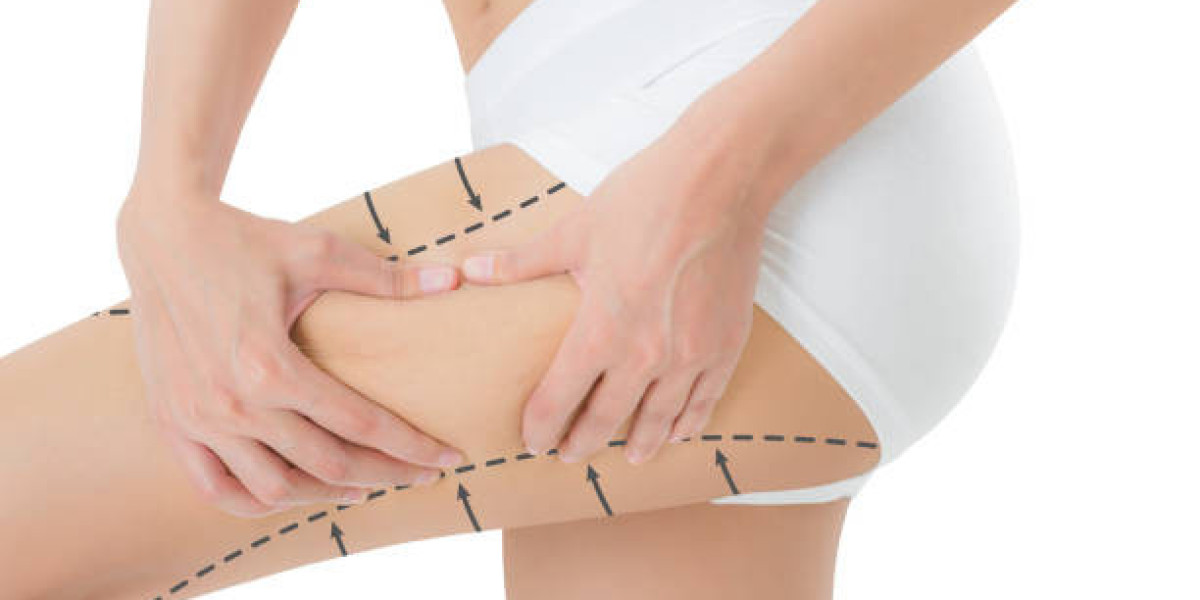

Liposuction is a surgical body-contouring procedure that can improve the shape of areas with localized fat, but some temporary side effects are expected during recovery. Swelling, bruising, tenderness, and changes in sensation can occur as the body heals after treatment. For people considering Liposuction in Riyadh, understanding these common effects can make the recovery process easier to navigate and help distinguish normal healing from symptoms that should be discussed with a medical professional.
Why Do Side Effects Occur After Liposuction?
During liposuction, a small cannula is inserted into the targeted fatty layer to remove excess fat. Although the technique is designed to minimize unnecessary tissue trauma, surgery naturally causes a healing response in the treated area.
As the body repairs the tissues, temporary inflammation, fluid accumulation, and sensitivity can develop. The severity and duration of these effects vary depending on the treatment area, amount of fat removed, surgical technique, and individual healing response.
Common Side Effects After Liposuction
Swelling
Swelling is one of the most common effects after liposuction. The treated areas may look larger or less defined during the early recovery period because of temporary fluid accumulation and inflammation.
Swelling generally decreases gradually as healing progresses. Your surgeon may recommend compression garments or other measures to support recovery, depending on your individual procedure.
Bruising
Bruising can occur around the areas where liposuction was performed. It results from minor blood vessels being affected during the procedure and can vary in color and intensity.
Bruises typically fade as the body naturally reabsorbs the blood beneath the skin. The timeline can differ from one person to another.
Tenderness and Discomfort
Treated areas may feel sore, tender, tight, or uncomfortable during the initial recovery period. These sensations can be more noticeable when moving or applying pressure to the treated areas.
Your medical team can provide appropriate instructions for managing post-operative discomfort. Patients should use medications only as directed by their healthcare professional.
Temporary Numbness or Changes in Sensation
Some patients experience numbness, tingling, increased sensitivity, or reduced sensation in the treated area. These changes can occur because small nerves in the skin and underlying tissues may be temporarily affected during surgery.
Sensation generally changes gradually during healing. Persistent or concerning changes should be discussed with the treating surgeon.
Fluid Drainage
Small amounts of fluid may drain from the incision sites during the early recovery period. The type and duration of drainage depend on the surgical technique and how the incisions are managed.
Patients should follow their surgeon's wound-care instructions carefully and report unusual drainage, especially if it is accompanied by other concerning symptoms.
Temporary Firmness or Irregular Texture
The treated areas may initially feel firm, uneven, or lumpy beneath the skin. This can be related to swelling and the normal healing process.
As the tissues recover, the texture and appearance can gradually improve. It is usually too early to assess the final contour during the initial stages of recovery.
How Long Do Side Effects Last?
There is no single recovery timeline that applies to everyone. Swelling and bruising often improve progressively, while firmness or changes in sensation may take longer to settle.
The number of areas treated, size of the treatment area, surgical technique, and individual healing response can all affect recovery. During a consultation for Liposuction in Riyadh, patients should ask their surgeon what recovery pattern is expected for their specific procedure.
When Should You Contact Your Surgeon?
While temporary side effects are common, certain symptoms may indicate a complication and require prompt medical evaluation. Patients should contact their surgical team if they experience symptoms such as rapidly worsening swelling, severe or increasing pain, significant bleeding, fever, increasing redness or warmth, pus-like drainage, difficulty breathing, chest pain, or other sudden concerning changes.
Emergency symptoms, particularly difficulty breathing or chest pain, require immediate medical attention rather than waiting for a routine follow-up appointment.
How Can You Support a Smooth Recovery?
Following your surgeon's instructions is one of the most important steps after liposuction. This may include wearing compression garments when recommended, caring for incision sites properly, taking prescribed medications as directed, and gradually returning to normal activities according to medical guidance.
Patients should also attend follow-up appointments so their recovery can be monitored. Avoiding strenuous activities until the surgeon approves them can help protect healing tissues.
What About the Final Results?
Early swelling can make it difficult to see the actual contour created by liposuction. As inflammation decreases and the tissues settle, the treated areas can gradually appear smoother and more defined.
Maintaining realistic expectations is important because the final appearance develops over time. Liposuction can improve selected body contours, but individual results depend on anatomy, skin elasticity, fat distribution, surgical technique, and healing.
Understanding Normal Recovery
Knowing what to expect can reduce unnecessary concern during the recovery process. Liposuction in Riyadh can produce temporary swelling, bruising, tenderness, and sensory changes, but these effects should be monitored according to the instructions provided by the surgical team.
Patients should never hesitate to contact their healthcare provider when a symptom seems unusually severe, suddenly worsens, or does not follow the expected recovery pattern. Professional evaluation is the safest way to determine whether a symptom is part of normal healing or requires treatment.
Book an Appointment at Royal Clinic Saudia
If you are considering liposuction, Royal Clinic Saudia can provide a personalized consultation covering the procedure, expected recovery, potential side effects, and appropriate aftercare. Schedule an appointment to discuss your goals and learn more about your body-contouring options with a qualified professional.