
A home's siding does far more than create curb appeal. It forms an important part of the exterior envelope, helping protect walls from rain, wind, sunlight, temperature changes, and everyday environmental exposure. When siding becomes cracked, warped, loose, faded, or difficult to maintain, homeowners may need more than a cosmetic improvement. Choosing the right siding contractor can help ensure that exterior work addresses underlying concerns while delivering a finished appearance that complements the property's architecture and surrounding environment.
Homeowners today are increasingly interested in exterior improvements that combine appearance, durability, and practical performance. Damaged or aging siding can allow moisture to reach vulnerable areas, while poorly installed materials may create gaps and weaknesses that become more expensive to correct later. For this reason, selecting a siding contractor should involve careful consideration of material options, installation methods, project planning, weather resistance, maintenance requirements, and the condition of the existing exterior. A thoughtful approach can turn a siding project into a meaningful long-term improvement rather than a short-term visual upgrade.
Understanding the Role of Quality Siding
Siding is one component of a larger exterior protection system, and its effectiveness depends on how well it works with the layers behind it. Depending on the property's construction, these layers may include weather-resistant barriers, insulation, flashing, sheathing, and carefully sealed transitions around windows and doors. If siding is installed over damaged or moisture-affected areas without proper preparation, visible improvements may conceal problems rather than solve them. Homeowners should therefore consider the condition of the entire exterior before selecting new materials. A professional evaluation can identify signs such as soft areas, staining, deterioration, loose panels, or water-related damage that may require attention before installation. Understanding this broader role helps property owners make decisions based on protection and performance as well as appearance.
Signs Your Home May Need New Siding
Several visible and functional warning signs can indicate that siding has reached the point where replacement deserves serious consideration. Cracked panels, widespread fading, warping, rotting sections, loose pieces, recurring moisture problems, and areas that require frequent repairs may indicate deterioration beyond an isolated defect. Interior clues can also be relevant, particularly unexplained moisture or changes near exterior walls. However, homeowners should avoid assuming that every cosmetic imperfection requires complete replacement. The extent of deterioration, age of the material, repair history, exposure to severe weather, and condition of the underlying wall system all influence the appropriate solution. A professional inspection can help distinguish between problems that can be repaired and broader conditions where replacement may offer greater long-term value. Acting before damage spreads can also make the project more manageable.
Comparing Siding Materials and Styles
The right siding material depends on the property's architectural style, climate exposure, maintenance expectations, budget, and desired appearance. Vinyl siding is widely used because it offers a range of colors and generally requires limited routine maintenance. Fiber cement can provide a substantial appearance and is often selected when homeowners want a durable exterior with versatile design possibilities. Engineered wood and other composite materials can provide additional choices for properties where texture and traditional character are important. Homeowners should also consider the visual effect of horizontal versus vertical profiles, panel widths, trim details, and color combinations. A material that looks appealing in a showroom may produce a very different result across an entire house, so selections should be evaluated in relation to roof color, windows, doors, landscaping, and architectural proportions. The goal should be a balanced exterior that remains attractive as design preferences change.
How to Choose the Right siding contractor
Selecting an installer requires careful evaluation because workmanship has a direct effect on the siding's appearance and performance. Homeowners should look for appropriate licensing and insurance, relevant installation experience, clear project documentation, and a willingness to explain the proposed scope of work. A trustworthy professional should be able to discuss preparation, moisture management, trim, flashing, ventilation considerations, material specifications, and how unexpected conditions will be handled. The estimate should make it reasonably clear what is included rather than relying on vague descriptions. Homeowners can also ask how the existing siding will be removed, how the wall surface will be inspected, and how the finished installation will be checked. Comparing contractors based solely on price can be misleading because a low initial estimate may exclude important preparation or finishing work. A better comparison considers the complete scope, workmanship standards, communication, and expected durability.
Preparing the Exterior Before Installation
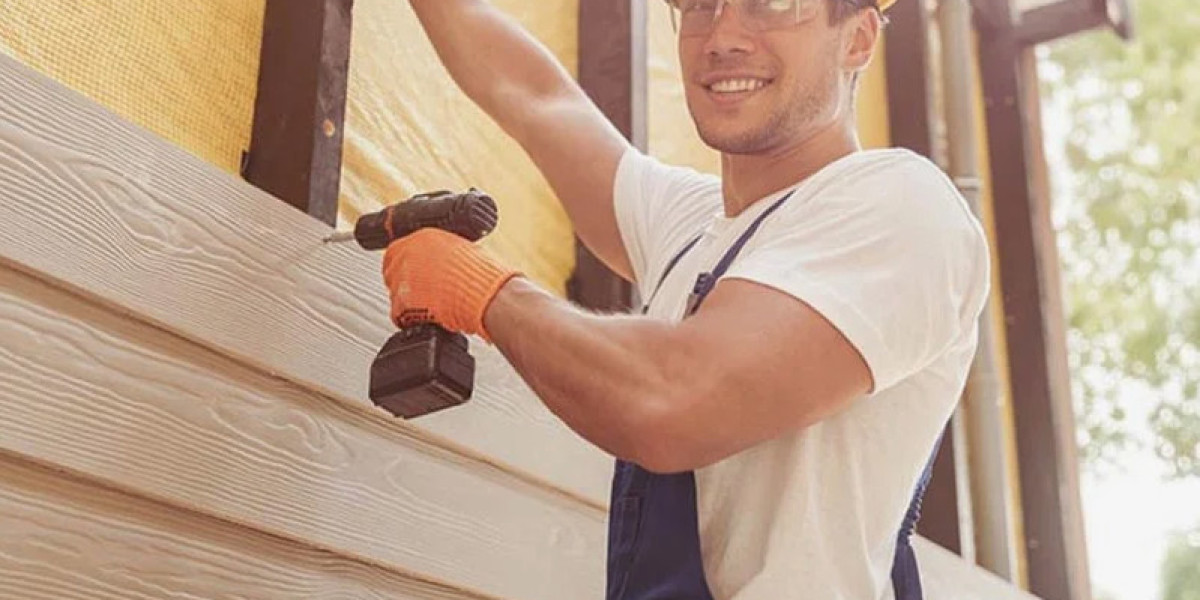
Proper preparation is one of the less visible but most important stages of a siding project. Existing siding may need to be removed carefully so that the condition of the underlying surface can be evaluated. Damaged sheathing, deteriorated trim, inadequate flashing, or signs of moisture intrusion should be addressed before new siding covers the area. Window and door openings deserve particular attention because these transitions can be vulnerable to water penetration if they are not integrated correctly with the surrounding exterior system. The installation surface should also be appropriately prepared according to the selected material and manufacturer's requirements. Taking shortcuts during preparation may make the project appear faster, but it can compromise long-term performance. A professional installation treats the underlying structure as part of the project rather than focusing exclusively on the visible siding.
Siding, Insulation, and Home Comfort
Exterior improvements can contribute to better indoor comfort when siding is incorporated into a properly designed building-envelope strategy. While siding itself is not a substitute for insulation, certain exterior renovation approaches can provide opportunities to improve insulation or address areas where air and moisture control are inadequate. Reducing uncontrolled air movement and improving the continuity of the exterior system can help create more consistent indoor conditions. Actual energy performance depends on the home's existing construction, insulation levels, windows, doors, heating and cooling equipment, and local climate, so homeowners should be cautious about guaranteed savings claims. Instead, the focus should be on creating a well-integrated exterior that manages moisture and air movement appropriately. When planned alongside other improvements, siding work can become part of a broader effort to improve the home's overall performance.
Maintaining New Siding for Long-Term Performance
New siding generally requires less maintenance when properly selected and installed, but no exterior material should be considered completely maintenance-free. Homeowners should periodically inspect the exterior for loose sections, cracks, staining, damaged trim, or areas where water appears to be collecting. Gutters and downspouts should function properly so that roof runoff is directed away from siding and vulnerable wall areas. Vegetation should also be managed to prevent branches or dense growth from repeatedly contacting the exterior. Cleaning requirements vary by material, and homeowners should follow appropriate care practices rather than using aggressive methods that could damage the surface. Promptly addressing minor defects can prevent them from becoming larger problems. Keeping records of repairs and maintenance can also make future exterior decisions easier and help homeowners understand how the siding has performed over time.
Conclusion
A successful siding project requires more than selecting an attractive color and arranging installation. Homeowners should evaluate the condition of the existing exterior, understand the strengths and maintenance requirements of different materials, prioritize proper preparation, and select an experienced professional who communicates clearly about the full scope of work. Quality installation is especially important around windows, doors, corners, transitions, and other areas where water management and precise fitting matter. By approaching the project as an investment in the home's complete exterior system, property owners can make better decisions about durability, appearance, maintenance, and comfort. Ultimately, the right siding contractor should provide a solution that fits the home's architecture, addresses genuine exterior needs, and supports reliable performance for years to come.