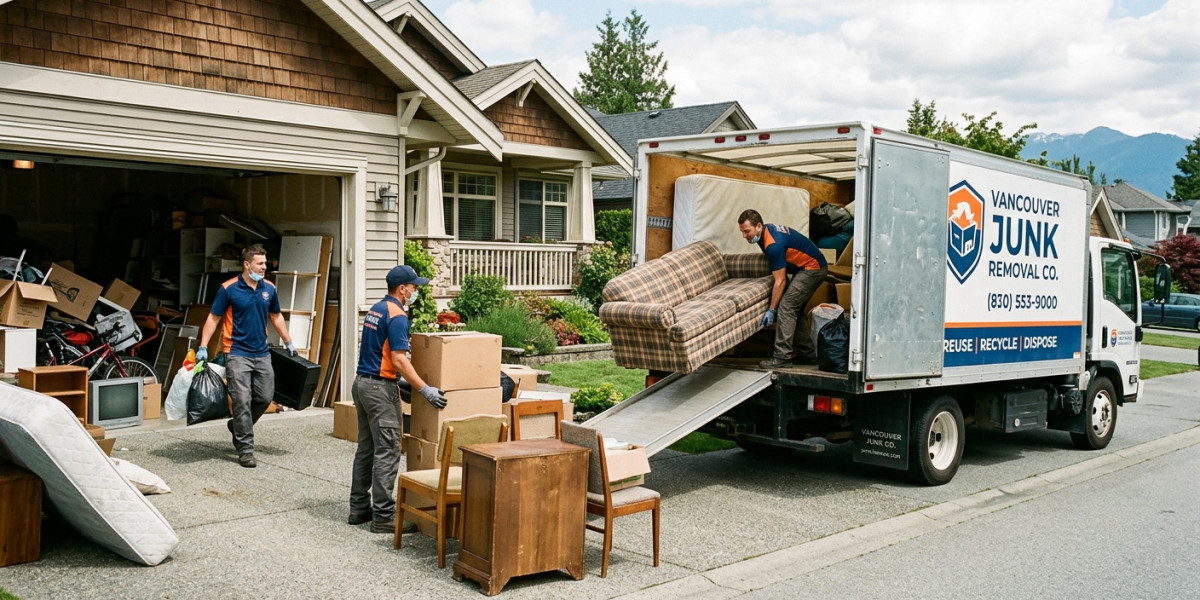

A cluttered home can become frustrating surprisingly quickly. A few unwanted boxes in the basement, an old sofa in the living room, or unused items taking up space in the garage may not seem like a major issue at first. But when these things continue to pile up, they can make your home feel smaller and harder to manage.
For homeowners dealing with a larger cleanup, Junk Removal in Vancouver can be a convenient solution. Instead of spending hours sorting, lifting, loading, and transporting unwanted belongings, you can arrange for a professional crew to handle the heavy work. This can be especially useful during a move, renovation, downsizing project, or general home decluttering.
Why Household Clutter Builds Up
Most people do not intentionally create clutter. It usually happens gradually. Items that are no longer needed get placed in a basement, spare room, garage, or storage area with the intention of dealing with them later.
Over time, those temporary piles can become permanent.
Common sources of household clutter include:
- Old furniture
- Broken appliances
- Unused electronics
- Cardboard boxes
- Outdated household items
- Mattresses and bed frames
- Yard waste
- Renovation leftovers
- Children's items that are no longer needed
- General storage clutter
A home cleanup gives you an opportunity to decide what is worth keeping and what is simply taking up valuable space.
When Is It Time for a Major Cleanup?
There is no specific amount of clutter that means you need professional help. It often comes down to how much time, effort, and physical work the project requires.
You may want to consider a larger cleanup if:
- Your garage can no longer fit a vehicle.
- You have furniture that nobody uses.
- Your basement has become a storage area for unwanted items.
- You are preparing to move.
- You are renovating part of your home.
- You are preparing a property for sale.
- You have accumulated years of belongings.
- You simply want to make your home more functional.
The sooner unwanted items are dealt with, the easier it is to maintain an organized space.
What Items Can Typically Be Removed?
Removal companies commonly handle a wide range of household belongings. However, accepted materials vary between providers, so homeowners should always confirm what can be collected before scheduling a service.
Depending on the company, common items may include:
Furniture
Sofas, tables, chairs, cabinets, desks, shelves, and other bulky household furnishings can take up considerable room.
Appliances
Old refrigerators, washing machines, dryers, and other appliances may require special handling because of their size and materials.
Household Clutter
Boxes, miscellaneous belongings, storage items, and other unwanted household materials can often be collected together.
Outdoor Items
Some providers also handle unwanted patio furniture, garden items, and other outdoor belongings.
Renovation Materials
Certain companies may accept selected renovation debris, although hazardous or restricted materials generally require specialized disposal.
Always check the provider's accepted-item list before putting everything together.
Getting Rid of Old Furniture
Furniture is one of the most difficult categories of household junk to handle alone. A large sectional, heavy dining table, wardrobe, or mattress may require more than one person to move safely.
There are also practical concerns. Large furniture may need to pass through narrow hallways, staircases, elevators, or doorways. Moving it without proper planning can result in damaged walls, floors, or the furniture itself.
Before arranging a pickup, consider:
- Measuring unusually large furniture
- Clearing the area around each item
- Removing small belongings from drawers and shelves
- Checking access through doors and hallways
- Asking whether dismantling is available
- Identifying items that need special handling
A little preparation can make the removal process considerably smoother.
Making a Home Cleanup More Organized
Trying to clean an entire house at once can feel overwhelming. A room-by-room approach is usually easier.
Start with one area and divide belongings into three categories:
Keep: Items you regularly use or genuinely want.
Donate: Items that are still useful but no longer necessary for your household.
Remove: Broken, damaged, unwanted, or unusable items.
Once you finish one room, move to the next. This prevents you from creating several large piles throughout the house.
For particularly large projects, make a basic list of everything that needs to leave the property. This also makes it easier to communicate your requirements to a removal company.
Should You Donate or Remove an Item?
Not everything you no longer want is necessarily junk. Some furniture and household belongings may still have plenty of life left.
Before throwing something away, ask yourself:
- Is it clean and usable?
- Could someone else benefit from it?
- Is it safe to use?
- Would a local charity accept it?
- Is repairing it realistic?
Donating useful belongings can give them another purpose while reducing unnecessary waste. Items that are damaged beyond practical use may be more appropriate for recycling or disposal.
DIY Removal vs. Professional Assistance
Handling a small amount of clutter yourself can be perfectly reasonable. If you have a suitable vehicle, enough free time, and only a few lightweight items, a trip to an appropriate disposal facility may be all you need.
Larger projects are different.
A DIY cleanup can involve:
- Renting or using a suitable vehicle
- Finding the correct disposal location
- Loading heavy objects
- Making multiple trips
- Paying applicable disposal fees
- Finding help with oversized furniture
- Spending an entire day or weekend on the project
Professional assistance can be worthwhile when the volume of material is substantial or when heavy lifting is involved. The biggest benefit is often the time saved.
How to Prepare Before the Crew Arrives
Once you schedule a removal appointment, there are several simple things you can do beforehand.
1. Finish Sorting
Make sure everyone in the household agrees about what is staying and what is going.
2. Keep Important Items Separate
Move documents, valuables, sentimental belongings, and anything you plan to keep away from the removal area.
3. Clear Access Routes
Make hallways, stairways, doorways, and other paths as accessible as possible.
4. Identify Heavy Items
Point out particularly large or heavy belongings so the crew knows what to expect.
5. Confirm Special Items
If you have appliances, electronics, renovation debris, or unusual materials, confirm beforehand that they can be accepted.
These steps can help reduce delays and make the appointment more efficient.
Choosing the Right Removal Service
Price matters, but it should not be the only factor when comparing removal companies. A very low quote may not tell you what is included in the service.
Consider looking for:
- Transparent pricing
- Convenient scheduling
- Professional service
- Experience with bulky household items
- Clear information about accepted materials
- Responsible disposal practices
- Positive customer feedback
It is also helpful to ask whether labor, transportation, and disposal are included in the quoted price. Knowing exactly what you are paying for can prevent misunderstandings later.
A Better Approach to Furniture Removal
If you are planning furniture removal vancouver, think beyond simply getting an unwanted item out of the house. Consider how the piece will be moved, where it can go afterward, and whether it can be reused, donated, recycled, or responsibly disposed of.
Planning these details before pickup can save time and reduce unnecessary complications. It also helps you make better decisions about other large items throughout the home.
Keeping Your Home Clutter-Free
Once a major cleanup is finished, keeping things organized becomes much easier. You do not need an elaborate system. A few simple habits can make a noticeable difference.
Try to:
- Deal with unwanted items regularly.
- Avoid filling empty storage space simply because it is available.
- Donate usable belongings instead of storing them indefinitely.
- Recycle appropriate materials.
- Review your garage and basement every few months.
- Think carefully before bringing large items into your home.
A small amount of regular organization can prevent another major buildup.
Final Thoughts
Clearing unwanted belongings can create more than physical space. It can make rooms easier to use, simplify future moves, and make your home feel more comfortable.
Whether you are dealing with a single bulky item or several rooms of accumulated belongings, having a clear plan is the key. Sort carefully, prepare the property, understand your disposal options, and choose professional assistance when the job is too large or physically demanding to handle alone.
A cleaner home starts with deciding what you truly need and taking practical steps to let go of the rest.