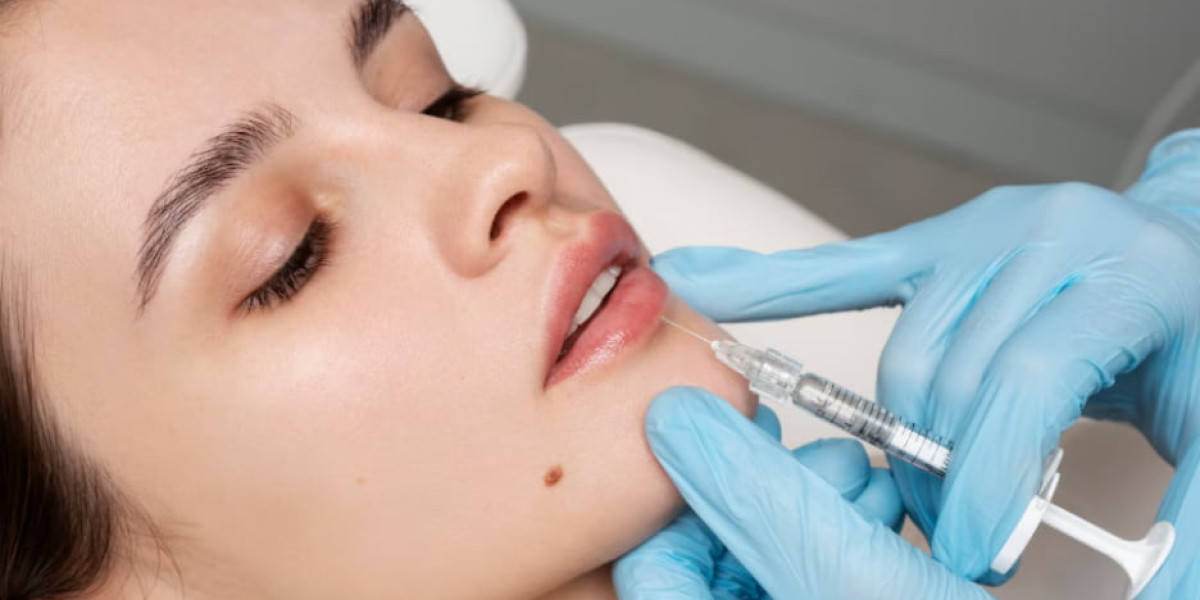

Quality filler treatment is not determined by price or immediate visual results alone. Patients should evaluate the injector’s qualifications, product authenticity, consultation process, hygiene standards, treatment planning, anatomical knowledge, informed consent, and aftercare support. A reputable medical setting should clearly explain the filler being used, expected results, possible risks, and what to do if a complication occurs.
What Defines a Quality Filler Treatment?
Dermal fillers in Islamabad are injectable products used to restore volume, soften certain facial lines, or enhance selected facial features. Because filler injection is a medical procedure, quality should be assessed through more than before-and-after photographs or promotional claims. The provider’s training, product selection, clinical environment, treatment planning, and patient-safety practices all matter.
A quality filler treatment should aim for a balanced and natural-looking result while prioritizing patient safety. The treatment plan should be based on the patient’s facial structure, skin condition, aesthetic goals, and medical history rather than applying the same technique to everyone.
Check the Qualifications and Experience of the Injector
One of the strongest indicators of treatment quality is the professional performing the procedure. An experienced medical injector should understand facial anatomy, injection techniques, filler characteristics, and the potential complications associated with treatment.
When selecting a provider, consider:
- Relevant medical qualifications and professional training
- Specific experience with dermal filler procedures
- Knowledge of facial anatomy and injection depth
- Ability to assess whether filler is appropriate for you
- Experience recognizing and managing potential complications
The American Academy of Dermatology emphasizes that filler injections should be treated as a medical procedure and recommends choosing an appropriately trained provider with experience in filler injections.
Look for Authentic and Appropriate Filler Products
The product itself is another important quality standard. Patients should know what type of filler is being recommended and why it is appropriate for the selected treatment area.
Different fillers have different materials, characteristics, indications, and expected durations. Hyaluronic acid, calcium hydroxylapatite, poly-L-lactic acid, and other materials are not interchangeable in every situation.
Before treatment, patients can reasonably ask:
- What filler product will be used?
- Is the product sealed and properly labeled?
- What is the filler designed to treat?
- Why is this product suitable for my treatment goal?
- What results and duration should I realistically expect?
A reputable provider should be comfortable answering these questions rather than discouraging patients from asking about the product.
Evaluate the Consultation Process
A proper consultation is an important part of quality care. A provider should examine the treatment area, discuss the patient’s expectations, review relevant medical history, and explain realistic outcomes.
Good consultation practices generally include:
- Assessment of facial proportions and treatment goals
- Discussion of previous cosmetic procedures
- Review of allergies, medications, and relevant medical conditions
- Explanation of benefits and possible risks
- Discussion of alternative treatments when appropriate
- Clear expectations about recovery and results
Patients should be cautious when a provider immediately recommends injections without adequately assessing their needs.
Pay Attention to Hygiene and Clinical Standards
The treatment environment should look and operate like a professional medical setting. Clean equipment, appropriate infection-control practices, properly handled injection materials, and a controlled treatment environment are basic quality indicators.
Avoid receiving filler injections in inappropriate settings such as parties, private homes, or non-medical environments. Medical organizations specifically warn that filler injections outside appropriate medical settings can increase safety concerns.
Patients should also be cautious about products purchased online or treatments performed using unapproved injection methods. The FDA warns against needle-free devices for dermal filler injections because serious injuries have been reported.
Assess Whether the Treatment Plan Looks Natural and Personalized
Quality filler treatment is usually based on individualized planning rather than simply adding as much volume as possible. Facial harmony depends on proportions, anatomy, age-related changes, skin characteristics, and the patient’s desired appearance.
An experienced provider may recommend a conservative approach when appropriate. The objective should be to enhance or restore features while maintaining facial balance.
A strong treatment plan should explain:
- Which area will be treated
- Why filler is recommended
- How much product may be appropriate
- What type of result is realistic
- Whether staged treatment may be preferable
Ask About Safety and Complication Management
Although many filler treatments are performed without serious problems, complications can occur. Common short-term effects include swelling, redness, tenderness, and bruising. Rare but serious complications can occur if filler unintentionally enters a blood vessel, potentially causing tissue damage, vision problems, or stroke.
This makes emergency preparedness an important quality standard.
A responsible provider should explain warning signs and have a clear plan for responding to complications. Patients should seek urgent medical attention for unusual severe pain, significant skin color changes, vision changes, or neurological symptoms following filler treatment.
Consider Follow-Up and Aftercare Support
Quality care does not necessarily end when the injection is complete. Patients should receive appropriate aftercare guidance and know who to contact if unexpected symptoms develop.
A professional provider should explain:
- Normal short-term reactions
- Activities that may need to be avoided temporarily
- When results should become noticeable
- When follow-up may be appropriate
- Which symptoms require urgent medical attention
Accessible follow-up support demonstrates that patient care extends beyond the procedure itself.
Choosing a Filler Clinic in Islamabad
For patients considering filler treatment in Islamabad, the clinic’s overall approach should be evaluated rather than relying only on advertising or promotional offers. SKN Cosmetics in Islamabad provides an option for patients who want to discuss their aesthetic concerns in a professional clinical environment. During a consultation, patients should focus on the provider’s qualifications, treatment planning, product information, safety discussion, and realistic expectations.
The best clinic is not necessarily the one offering the lowest price or the most dramatic result. Instead, patients should prioritize professional expertise, authentic products, appropriate medical assessment, hygiene, individualized treatment, and responsible follow-up.
A Simple Quality Checklist for Patients
Before choosing a filler treatment, ask yourself:
- Is the provider appropriately trained and experienced?
- Has my face and medical history been properly assessed?
- Do I know which filler product is being used?
- Is the product properly packaged and identifiable?
- Has the provider explained benefits and possible risks?
- Does the clinic maintain appropriate hygiene standards?
- Is the treatment plan personalized?
- Do I understand the expected recovery and results?
- Is there a clear plan for managing complications?
- Can I contact the clinic if I have concerns afterward?
If several of these questions cannot be answered clearly, it may be worth reconsidering the provider before proceeding.
FAQs About Quality Filler Treatment
How can I identify a quality filler clinic?
Look for qualified injectors, authentic products, professional hygiene standards, personalized consultations, transparent risk information, and reliable follow-up care.
Is filler treatment a medical procedure?
Yes. Dermal filler injections should be performed by an appropriately trained healthcare professional in a suitable clinical setting.
Should I ask which filler product will be used?
Yes. Patients should know the product being injected, its intended purpose, and why it is suitable for their treatment.
Are filler complications possible?
Yes. Temporary swelling and bruising are common, while serious complications are uncommon but can occur. Proper injector training and complication awareness are important safety factors.
What is the most important quality standard?
There is no single factor. Injector expertise, product authenticity, patient assessment, safe technique, hygiene, informed consent, and aftercare should all be considered together.