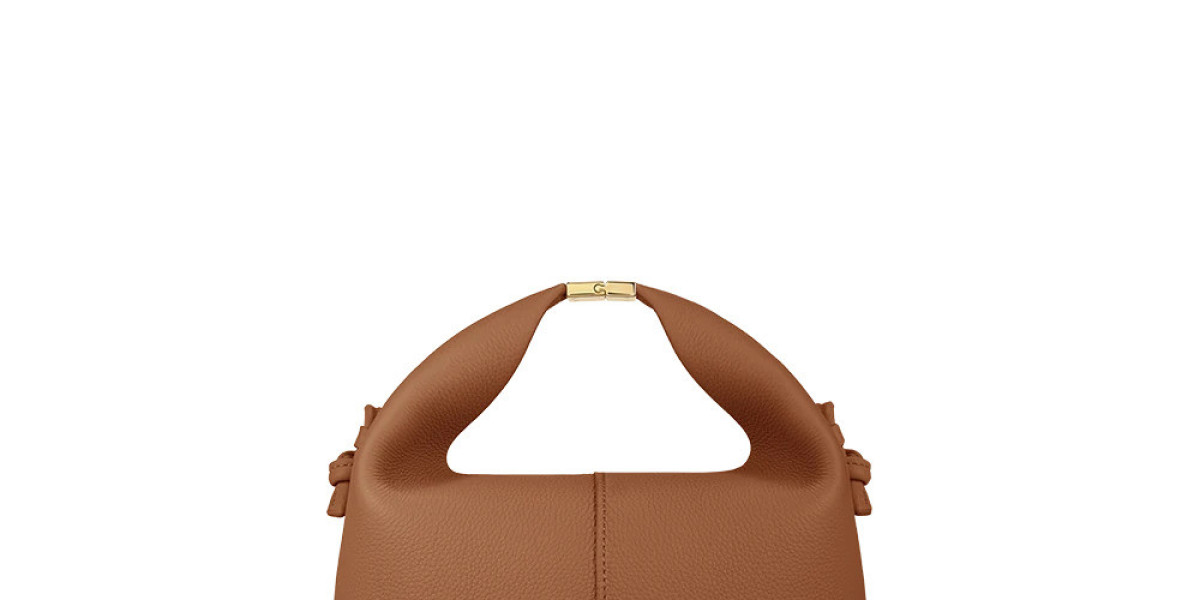

The streets of Paris have long been synonymous with refined taste and careful attention to detail. For decades, the City of Light has remained a beacon for those who understand that a truly exceptional handbag is far more than an accessory. It represents hours of skilled labor, thoughtful design decisions, and an unwavering commitment to quality. Polene has built its reputation by honoring this tradition while creating something distinctly contemporary.
When you hold a Polene handbag for the first time, you're holding the result of generations of knowledge combined with modern sensibilities. The brand doesn't simply manufacture bags. Instead, they orchestrate a complex process that begins with sourcing and ends with a product that speaks to both the head and the heart. This is not about following trends or cutting corners. It's about creating something that will serve you well for years, becoming more beautiful as it ages.
The philosophy underlying every Polene bag is rooted in the understanding that true luxury lies in restraint, quality, and purpose. Each design begins as a conversation between form and function. Designers ask themselves critical questions: What does the modern person need? How should a bag feel in your hand? What materials will endure not just one season, but several years of daily use? These aren't casual considerations. They shape every decision made in the studio.
Materials: The Foundation of Lasting Quality
The journey toward creating a Polene handbag begins long before any stitching takes place. It starts with materials. The sourcing process is meticulous and uncompromising. Leather, for instance, doesn't come from just any tannery. polenegermany.com works with suppliers who share their commitment to environmental responsibility and quality standards. Each hide is selected based on specific criteria: thickness, grain pattern, and durability characteristics.
This attention extends to every component. Hardware is sourced from manufacturers known for precision and longevity. Zippers are tested for smooth operation and resistance to wear. Lining materials are chosen not just for their appearance but for their ability to withstand the friction of daily use. Even the thread used in stitching is selected for its strength and colorfastness.
Leather, when chosen correctly, is a living material. It develops patina over time, gaining character and depth. A Polene handbag isn't meant to look the same five years from now as it does today. It's meant to improve, to mellow, to tell the story of the person carrying it. This requires using leather that can withstand moisture, sun exposure, and repeated handling without deteriorating. It requires leather that becomes more supple and lustrous with age, not cracked or brittle.
The brand's commitment to material quality means higher costs at every stage. There are no shortcuts taken to improve margins. If a batch of leather doesn't meet standards, it isn't used. If a hardware component doesn't function smoothly through hundreds of test cycles, it doesn't make it onto a bag. This approach costs more in the short term but creates products that offer far superior value over time.
The Artisan Workshop: Where Design Meets Precision
Walking into the Polene workshop in Paris reveals something that has largely disappeared from modern manufacturing: highly skilled craftspeople performing intricate work by hand. This is where the abstraction of design becomes concrete reality. A pattern piece exists as an idea until a skilled artisan cuts it from leather. A seam remains theoretical until someone with years of training sews it with the exact tension required.
Leather cutting is one of the most critical stages. A single inconsistent cut can affect how a bag hangs, how its pockets align, and how the overall form emerges. Cutters at Polene are trained extensively in reading grain patterns in leather and positioning pieces to minimize waste while maximizing the integrity of each component. They understand that leather is not uniform. They work with its characteristics rather than against them.
Stitching represents another area where human skill cannot be replaced by machinery. While some modern manufacturers have moved entirely to machine production, Polene maintains hand stitching for many components. This isn't romantic nostalgia. It's practical necessity. Hand stitching allows for adjustments in real time, for responding to the actual characteristics of each piece of leather, and for creating seams that are stronger and more flexible than those produced by machines operating at set specifications.
Assembly requires understanding three dimensional geometry and spatial relationships. How leather panels come together, how straps are positioned, how internal structures support the overall form without being visible from outside. This knowledge comes from experience, from handling thousands of pieces of leather, from understanding how materials behave under stress.
Quality control happens continuously throughout the workshop. Each bag is inspected at multiple stages: after cutting, after initial assembly, after hardware installation, and during final finishing. Inspectors aren't looking for perfection in an industrial sense. They're looking for structural soundness, clean stitching, proper alignment, and the absence of any defect that would compromise durability or function.
Design Principles: Function Before Ornament
The design philosophy at Polene operates within clear constraints. Designers understand that adding visual elements is easy. Removing unnecessary details while maintaining visual interest is considerably more difficult. Every component on a Polene bag exists for a reason. The shape serves function. The proportions create balance. The hardware is chosen for both utility and aesthetics.
This restraint extends to color palettes. The brand offers an edited range of colors, each chosen to work across seasons and alongside various wardrobes. Rather than chasing seasonal trends, Polene focuses on timeless tones that look as relevant in three years as they do today. This represents a significant departure from the disposable approach common in contemporary fashion.
Pocket placement receives careful consideration. The location of compartments, the size of openings, the accessibility of contents during daily use. These decisions are made after extensive user research, after watching how people actually interact with bags, after understanding the real frustrations that emerge from poor design. A functioning bag isn't an accident. It's the result of thoughtful problem solving.
Handles and straps are designed based on understanding ergonomics and daily use patterns. How does a bag sit on your shoulder? How does it feel when you're carrying it for extended periods? Does the weight distribute evenly, or does it create discomfort? These questions shape the materials chosen for straps, their width, their attachment points, and their overall construction.
The Production Timeline: Patience as Quality Assurance
Manufacturing a Polene handbag cannot be rushed. The timeline reflects the complexity of the process and the commitment to quality at every stage. From the moment leather is received until a finished bag ships to a customer, weeks may pass. This isn't inefficiency. It's intentional. It allows time for quality control, for any necessary corrections, for the production team to maintain high standards even under demand.
Each production run is limited. Large-scale manufacturing favors the production of identical items in massive quantities. This approach doesn't work for Polene. Instead, the brand manufactures bags in smaller batches, allowing for more careful oversight and faster response to any issues that emerge during production. If a problem is discovered, corrections can be implemented quickly because the entire production run hasn't yet been completed.https://polenegermany.com/
The aging of leather, particularly for certain finishes and treatments, is part of the timeline. Some leather benefits from time before being cut and assembled. Other processes benefit from a period of settling before final finishing. These time requirements aren't arbitrary. They reflect genuine improvements in the final product. Rushing these stages would result in inferior bags.
Finishing Touches: Where Details Signal Quality
The final stages of production focus on finishing. Edges are treated to prevent fraying and to create a clean appearance. Leather is conditioned to ensure it's properly hydrated before shipping. Any hardware receives a final check. Straps are adjusted if needed. Zippers are tested multiple times. The lining is inspected for any imperfections. This finishing process is where a good bag becomes a great one.
Packaging matters as well. The way a bag arrives at your door is part of the overall experience. Polene uses protective packaging that demonstrates respect for the product and for the customer. The unboxing itself communicates the care invested in production. This might seem like a minor detail, but it's part of the comprehensive commitment to quality that defines the brand.
Why This Matters: The True Cost of Quality
Understanding the production process changes how you perceive a Polene handbag. It's not simply about the cost, though quality materials and skilled labor do increase price. It's about understanding what you're actually purchasing. You're buying decades of accumulated knowledge. You're buying the time and attention of skilled craftspeople. You're buying materials chosen for durability rather than cost. You're buying a product designed to serve you for years.
This approach to manufacturing represents a different value proposition from fast fashion alternatives. Those products are designed for a single season. Polene bags are designed for a lifetime. They're meant to accompany you through different phases of your life, through changes in your wardrobe and your aesthetic. They're meant to be passed on, to be repaired if necessary, to gain value through use rather than decline.
The craftsmanship embedded in every bag represents a commitment to doing things well. It reflects an understanding that shortcuts are never actually shortcuts. They're compromises that eventually cost more in various ways. Whether through needing replacement, through the environmental cost of disposal, or through the simple frustration of a product that doesn't perform as expected. Polene opts out of this cycle entirely.
The Journey Continues: Sustainability and Responsibility
Modern manufacturing at Polene includes serious consideration of environmental impact. The choice of leather suppliers isn't made solely on quality. Tanneries are evaluated on their environmental practices, their treatment of workers, and their commitment to sustainable methods. This adds complexity to sourcing, but it aligns with the brand's broader philosophy that quality and responsibility are inseparable.
Waste reduction happens at every stage of production. Leather scraps from cutting aren't simply discarded. They're collected and repurposed. Packaging materials are chosen to minimize environmental impact. The durability of each bag means fewer bags need to be manufactured to meet customer needs over time. A single Polene bag used for five years displaces the environmental cost of multiple lower quality alternatives.
The brand also stands behind its products. Repairs are available when needed. Worn straps can be replaced. Worn leather can be reconditioned. This commitment to longevity and repair further extends the useful life of each bag and reflects a philosophy that manufacturing is just the beginning of a product's journey.
Frequently Asked Questions
How can I tell if my Polene handbag is authentic, and what should I look for in terms of quality?
Authentic Polene bags feature consistent stitching with no loose threads, high-quality hardware that moves smoothly without rattling, and supple leather that feels substantial in weight. The interior lining should be clean and secure, with no loose fabric or adhesive residue. All stitching should be even and straight, and seams should be strong and properly aligned. The packaging should be professional and substantial, reflecting the care taken in production. When you examine the bag closely, you should see evidence of hand finishing on edge work and a level of attention that makes it clear a skilled craftsperson assembled it.
How long will a Polene handbag typically last with regular daily use?
With proper care, a Polene handbag can last ten years or longer with daily use. The lifespan depends on several factors including climate, how much the bag is used daily, and how well it's maintained. Leather develops patina and character over time but should remain structurally sound. Zippers and hardware may eventually need replacement after years of use, but these repairs are available and relatively affordable compared to replacing the entire bag. Many owners report that their Polene bags look better and feel better after several years of use than they did when new.
What's the difference between the various leather options that Polene offers, and how should I choose?
Polene uses several types of leather, each with different characteristics regarding aging, texture, and maintenance requirements. Smooth leather develops a beautiful patina over time, showing wear patterns that add character. Textured leathers are more forgiving of scratches and may hide imperfections better than smooth finishes. Vegetable tanned leather ages beautifully but may be more susceptible to water marks. Chromium tanned leather is more water resistant and easier to care for. Your choice should consider your climate, your lifestyle, and your personal preferences regarding how you want your bag to evolve over time.