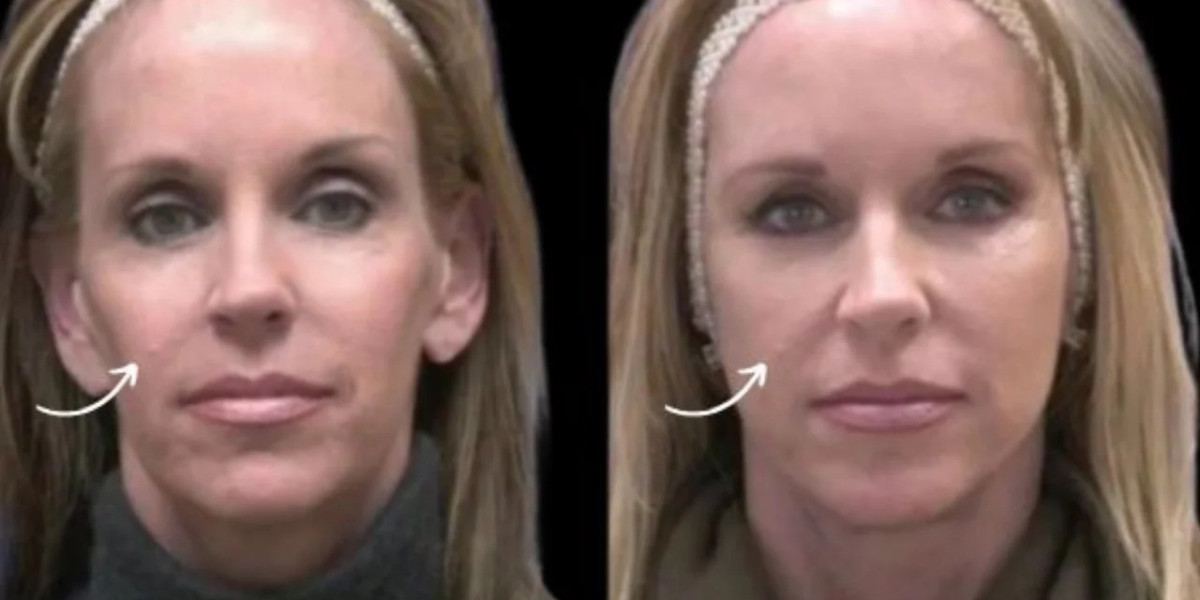
A crooked nose is one of the more complex concerns patients bring to a rhinoplasty consultation, often affecting both the way the face looks and the way a person breathes. Rhinoplasty in Islamabad for crooked nose correction typically requires a more detailed structural approach than routine cosmetic reshaping, since the underlying causes and anatomy involved tend to be more intricate.
Understanding What "Crooked" Really Means
A crooked nose doesn't always mean an obvious, dramatic bend. It can range from a subtle deviation only noticeable in certain lighting to a pronounced curve visible from any angle. In many cases, the external crookedness is connected to an internal deviation of the septum — the wall of cartilage and bone dividing the two nostrils — which is why cosmetic and functional assessment often go hand in hand for this concern.
Common Causes of a Crooked Nose
There are several reasons a nose may develop asymmetry over time. Genetic factors can cause uneven growth of the nasal bones and cartilage from a young age. Trauma — such as a sports injury, accident, or even an unnoticed fracture during childhood — is another common cause, sometimes leading to a bend that becomes more apparent as the nose finishes developing. In some cases, previous nasal surgery that didn't fully address underlying asymmetry can also result in a crooked appearance.
Why Crooked Nose Correction Is More Technical
Straightening a crooked nose is generally considered more complex than routine cosmetic refinement because it requires the surgeon to address asymmetry in multiple structures simultaneously — bone, cartilage, and often the septum — while still preserving the nose's overall function and structural stability. Simply "cutting to straighten" isn't a safe or effective approach; the correction must be carefully balanced on both sides to avoid future relapse or new asymmetry.
Realigning the Nasal Septum
For many crooked nose cases, septal correction is a central part of treatment. If the septum is deviated, it can pull the external nasal structures out of alignment, contribute to breathing difficulties, and make purely cosmetic correction insufficient on its own. Surgeons often reposition or trim the septum during the procedure, which can improve both the external straightness of the nose and internal airflow — a combined benefit sometimes referred to as septorhinoplasty.
Addressing Asymmetry in Bone and Cartilage
Beyond the septum, the nasal bones themselves may need to be carefully broken and repositioned (a controlled procedure called osteotomy) to achieve symmetry. Similarly, cartilage in the middle and lower portions of the nose may need reshaping or repositioning to correct visible curves or twists. This work requires precision, since overcorrecting or undercorrecting even slightly can result in residual asymmetry.
Using Grafts for Structural Support
In cases where the existing cartilage is too weak, damaged, or insufficient to hold a corrected position, surgeons may use cartilage grafts — often taken from the patient's septum or ear — to reinforce structural support. These grafts help maintain the corrected shape long-term and reduce the risk of the nose gradually shifting back toward its original crooked position during healing.
Balancing Functional and Cosmetic Goals Together
Because a crooked nose so often involves both appearance and airflow, surgeons typically evaluate both goals together rather than treating them as separate concerns. A purely cosmetic fix that ignores underlying septal deviation may look better initially but leave breathing problems unresolved, or even worsen them. A comprehensive evaluation considers how straightening the nose visually can be achieved without compromising — and ideally improving — nasal function.
What Recovery Typically Looks Like
Recovery from crooked nose correction tends to follow a similar timeline to standard rhinoplasty, though swelling and bruising may be slightly more pronounced given the more involved nature of the correction. Patients are generally advised to avoid strenuous activity, protect the nose from impact, and follow a structured follow-up schedule so the surgeon can monitor healing and confirm the correction is holding as expected.
Setting Realistic Expectations for Symmetry
It's worth noting that achieving perfect, mathematical symmetry isn't always the realistic goal — nor is it necessary for a naturally attractive result. Every face has some degree of natural asymmetry, and the aim of crooked nose correction is typically to achieve significant, visually pleasing improvement while respecting the individual's natural facial structure, rather than pursuing an unrealistic standard of perfect symmetry.
Key Aspects of Crooked Nose Treatment
| Aspect of Treatment | What It Addresses |
|---|---|
| Septal realignment | Straightens internal structure and can improve breathing |
| Bone repositioning (osteotomy) | Corrects visible curves in the nasal bridge |
| Cartilage reshaping | Addresses twists or asymmetry in the mid and lower nose |
| Structural grafting | Reinforces corrected areas to prevent relapse |
| Combined functional assessment | Balances appearance with healthy airflow |
Why Surgeon Experience Matters Especially Here
Because crooked nose correction involves more variables than routine reshaping, the surgeon's specific experience with this type of case matters a great deal. Reviewing before-and-after examples of similar corrections, and asking directly about the surgeon's approach to septal and structural work, can help you feel more confident going into your own procedure.
Frequently Asked Questions
1. Can a crooked nose from birth be corrected the same way as one from injury? The overall surgical principles are similar, though the specific technique depends on the underlying cause and the exact anatomy involved.
2. Will fixing a crooked nose also improve my breathing? Often yes, particularly if septal deviation was contributing to both the crookedness and any airflow restriction.
3. Is crooked nose correction more painful than standard rhinoplasty? Discomfort levels are generally similar, though swelling and bruising may be slightly more noticeable due to the more involved correction.
4. Will my nose be perfectly symmetrical after surgery? The goal is significant, natural-looking improvement rather than perfect mathematical symmetry, since some natural asymmetry is normal.
5. How do I know if my crooked nose also involves a deviated septum? This is typically assessed during a detailed consultation, sometimes including an internal examination or imaging of the nasal passages.
Crooked nose correction requires precision, experience, and a careful balance between form and function. Dynamic Clinic Pk assesses both the visible and structural aspects of each case carefully, building a treatment plan suited to your specific anatomy and goals.