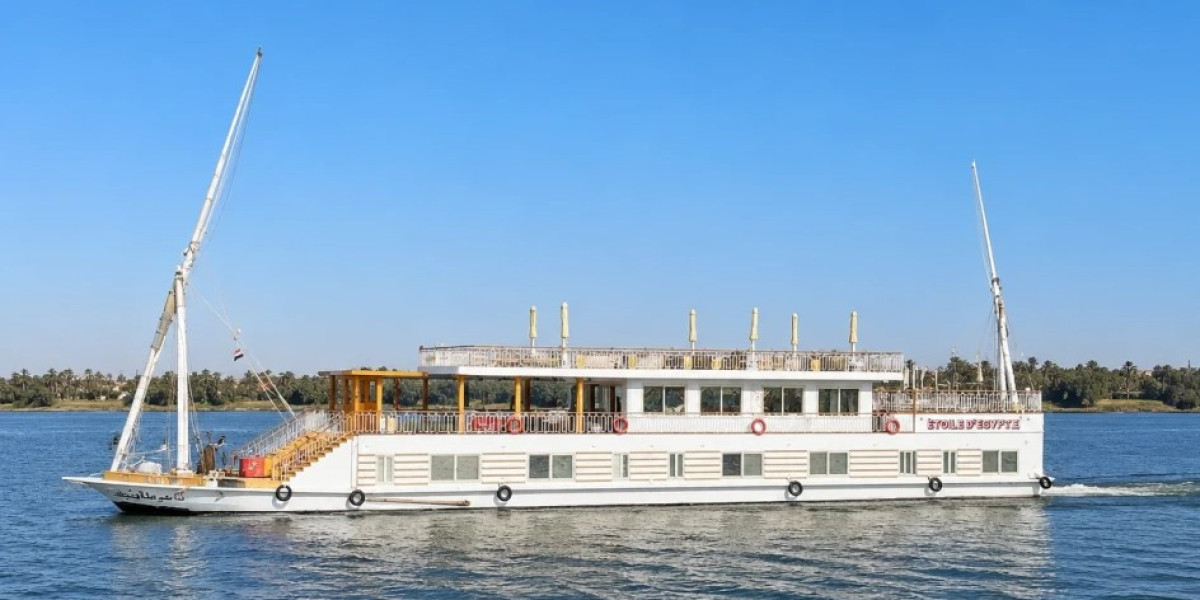

Ancient communities depended on the river for agriculture, transportation, and religious life, while rulers built monuments near important settlements along its banks. Travelling by dahabiya allows visitors to see several historic sites while following the waterway that connected them.
Exploring beyond a single destination
Visitors who stay only in Luxor or Aswan can reach many important attractions, but travelling between the cities provides a broader view of Upper Egypt. A dahabiya cruise combines accommodation, river transport, and scheduled excursions, reducing the need to arrange separate hotels and road journeys every day.
Routes vary according to the sailing direction and cruise duration. Some programmes focus on major temples, while others add smaller archaeological sites, islands, villages, or markets. Travellers should examine the complete itinerary because cruises of the same length may include different stops.
Visiting temples with a guide
A knowledgeable guide can explain the purpose of each temple, identify important architectural features, and provide context for inscriptions and reliefs. This information helps visitors understand the site beyond its appearance.
Ask whether guided services and entrance tickets are included in the package. Confirm the language used during excursions and whether the guide remains with the group throughout the cruise or joins at specific locations.
Travellers with a strong interest in archaeology may prefer a private guide or charter. Special arrangements should be discussed before booking because attraction opening times, navigation conditions, and the planned route can limit flexibility.
Preparing for archaeological sites
Temple visits may involve walking over stone, sand, gravel, and uneven surfaces. Comfortable shoes with reliable grip are essential. A hat, sunscreen, water, and lightweight clothing can make outdoor visits more manageable.
Some sites have stairs or limited shade. Travellers with mobility concerns should request an honest description of each excursion and ask how close vehicles can approach the entrance.
Photography rules differ between attractions. Follow instructions concerning flash, tripods, video equipment, and restricted areas. Drones should not be carried or operated without the necessary official approvals.
Balancing sightseeing with sailing
A dahabiya journey is not limited to visiting monuments. Time spent on the river gives passengers a chance to rest and observe the landscapes surrounding the ancient sites.
After an excursion, guests may return for lunch and spend the afternoon on the open deck. Villages, farmland, fishing boats, palm trees, and desert hills reveal how the Nile continues to support communities today.
The daily schedule may change because of wind, river traffic, local permissions, or operational requirements. Passengers should remain flexible while confirming any attraction that is essential to their plans.
Travellers can compare routes, cruise durations, cabin choices, and private arrangements through WOW Egypt Tours Dahabiya Cruises. Request a written quotation identifying all excursions, guides, entrance fees, transfers, and additional costs.
Exploring temples by dahabiya connects the monuments with the geography that shaped them. Instead of experiencing each site as an isolated attraction, visitors follow the river between historic communities and gain a clearer understanding of Upper Egypt as a connected region.