
A tummy tuck can dramatically improve abdominal contours, but achieving a natural-looking result involves much more than removing excess skin. One small detail that can have a surprisingly significant impact is the belly button. For suitable candidates, Tummy Tuck in Islamabad involves careful planning of the abdominal skin, waistline, muscle structure, and belly button so everything looks balanced and natural together.
Why Is the Belly Button Important?
The belly button sits near the centre of the abdomen, making it an important visual reference point. Even subtle changes to its position, shape, or size can affect the overall appearance of the stomach.
A natural-looking belly button should complement the surrounding abdominal contours. If it looks too high, too low, too narrow, or overly artificial, it may stand out despite otherwise good surgical results.
This is why experienced surgeons consider the belly button during the earliest stages of surgical planning rather than treating it as an afterthought.
Tummy Tuck in Islamabad: What Surgeons Consider
When planning Tummy Tuck in Islamabad, the surgeon evaluates the patient's natural belly-button position and considers how removing and repositioning abdominal skin will affect it.
- Current belly-button position: The surgeon assesses where the navel naturally sits on the abdomen.
- Body proportions: Waist, hips, ribcage, and abdominal length are considered.
- Amount of excess skin: The amount of skin being removed affects how the remaining tissue is repositioned.
- Skin elasticity: Skin quality can influence how the abdomen settles after surgery.
- Abdominal muscle condition: Muscle separation or laxity may affect overall contouring.
- Existing scars: Previous abdominal surgery can influence the surgical approach.
- Desired aesthetic result: The goal is a belly button that fits naturally with the patient's body.
There is no single belly-button design that works for everyone. The surgeon must adapt the technique to the patient's anatomy.
How a Tummy Tuck Changes the Belly Button
During a standard tummy tuck, excess skin from the lower abdomen is removed and the remaining abdominal skin is repositioned. Because the upper abdominal skin is pulled downward, the original belly button needs to remain connected to its underlying tissue while a new opening is created in the repositioned skin.
This allows the navel to remain in a natural central location. The surgeon carefully determines where the new opening should be placed so that it aligns appropriately with the patient's body.
The exact technique varies according to the patient's anatomy and the type of tummy tuck being performed.
Measuring the Belly Button Position
Before surgery, the surgeon evaluates the proportions of the abdomen rather than relying on a single measurement. The belly button's position is considered in relation to the waist, pubic area, abdominal length, and surrounding structures.
Proportion is more important than a fixed measurement. A position that looks natural on one person may appear too high or low on someone with a different body shape.
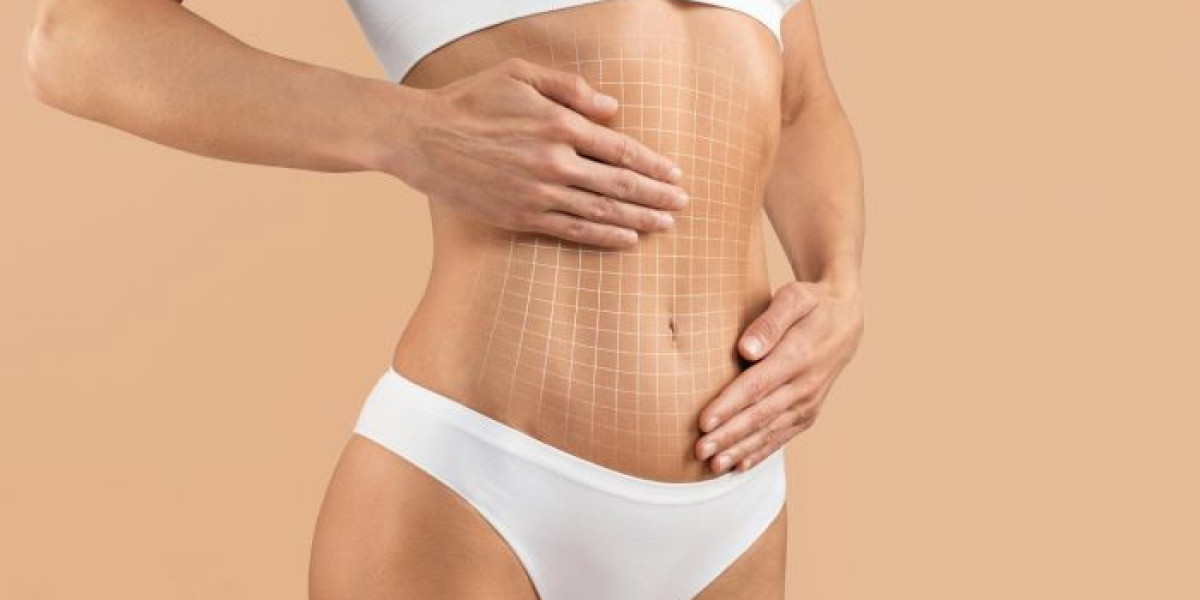
The surgeon may mark the abdomen before surgery to guide incision placement and tissue repositioning. These markings help translate the surgical plan into precise steps during the procedure.
Creating a Natural Belly Button Shape
The shape of the belly button is another important consideration. A natural navel typically has subtle contours rather than appearing perfectly round or artificially defined.
The aim is a discreet, natural-looking appearance. Depending on the technique and anatomy, surgeons may create a shape that blends with the surrounding skin folds.
The final appearance also depends on individual healing. Even with careful surgical technique, the way scar tissue develops can vary between patients.
Why Belly-Button Depth Matters
The depth of the navel contributes to its three-dimensional appearance. A belly button that is too shallow may look less natural, while excessive depth can also create an undesirable appearance.
Small details in contour can influence the final aesthetic result. Surgeons therefore consider how the surrounding abdominal tissue will sit around the navel after skin repositioning.
The goal is not to create a perfectly identical appearance from every angle. Instead, the surgeon aims for an aesthetically balanced result that suits the patient's natural anatomy.
The Role of Skin Removal
The amount of skin removed during a tummy tuck directly affects how the abdominal tissue is repositioned. Removing too little may leave unwanted laxity, while excessive removal may create unnecessary tension.
Careful skin planning supports both contour and belly-button positioning. The surgeon needs to balance the amount of tissue removed with the ability of the remaining skin to close appropriately.
Skin elasticity is also considered because different patients respond differently to tissue stretching and repositioning.
Muscle Repair and Belly-Button Appearance
Some patients have abdominal muscle separation or laxity, particularly after pregnancy. If muscle repair is appropriate, it may change the overall abdominal contour and influence how the navel appears in relation to the surrounding tissues.
A balanced abdominal wall can help support a harmonious overall contour. However, muscle repair is not automatically required for every tummy tuck.
The surgeon evaluates the abdominal muscles during consultation and determines whether repair should form part of the surgical plan.
Belly Button Planning After Pregnancy
Pregnancy can alter both the position and appearance of the abdomen. The skin stretches, the abdominal wall expands, and the belly button may temporarily change shape or become more prominent.
Post-pregnancy anatomy requires individual assessment. A woman who has had multiple pregnancies may have different skin laxity and muscle changes from someone who has experienced one pregnancy.
Women considering surgery after childbirth should also discuss whether they plan to have more children. Another pregnancy can alter the abdominal tissues and potentially affect the surgical result.
Belly Button Planning After Weight Loss
Significant weight loss can leave substantial amounts of loose skin around the abdomen. When this tissue is removed and repositioned, careful planning becomes especially important.
Major changes in abdominal skin can affect the relationship between the navel and waistline. The surgeon must account for the amount of tissue being removed and how the remaining skin will settle.
Patients should ideally reach a stable weight before surgery. Continued major weight loss after a tummy tuck can alter the abdominal contour.
What Happens During the Consultation?
The first consultation is where the surgeon develops an individualised surgical plan. They will examine the abdomen, discuss your goals, assess skin quality, and consider the condition of the underlying muscles.
Your natural belly-button position will be part of this assessment. You can also discuss concerns about shape, depth, scars, or how you want the abdomen to look after surgery.
This is an ideal time to ask about the proposed technique, recovery, possible complications, and realistic expectations.
Can the Belly Button Look Completely Natural?
Modern tummy tuck techniques can aim for a natural-looking belly button, but no surgical result can be guaranteed to look identical to a natural, untouched navel.
Healing plays an important role in the final appearance. Scar formation, skin characteristics, swelling, and individual tissue response can all influence how the belly button looks over time.
Following postoperative instructions and attending scheduled follow-up appointments can help your surgical team monitor the healing process.
Recovery and Belly-Button Healing
The belly button may experience swelling, redness, or temporary changes during the early recovery period. These effects generally improve as the tissues heal.
Avoid judging the final appearance too early. The abdomen can take time to settle, and the belly button's shape may continue to change during the healing process.
Your surgeon will provide specific instructions about wound care and keeping the area clean. Following those instructions carefully is an important part of recovery.
Choosing a Surgeon for Natural Results
Because the belly button is such a central feature, surgical experience and attention to detail are important when selecting a tummy tuck surgeon. Look for a qualified professional who takes time to assess your individual anatomy.
Good results begin with careful planning. A surgeon should be willing to explain how they intend to approach the belly button, skin removal, muscle repair, and overall abdominal contour.
Do not hesitate to ask questions during consultation. Understanding the proposed technique can help you make a confident and informed decision.
Final Thoughts
The belly button may be small, but it plays a major role in creating a balanced abdominal appearance after a tummy tuck. Careful planning of its position, shape, depth, and relationship with the surrounding skin can contribute to a more natural-looking result. For suitable candidates, Tummy Tuck in Islamabad combines personalised abdominal contouring with detailed surgical planning.
For patients considering treatment, Dynamic Aesthetic Clinic offers cosmetic surgery expertise, board-certified surgeons, and advanced techniques relevant to personalised tummy tuck procedures and natural abdominal contouring.