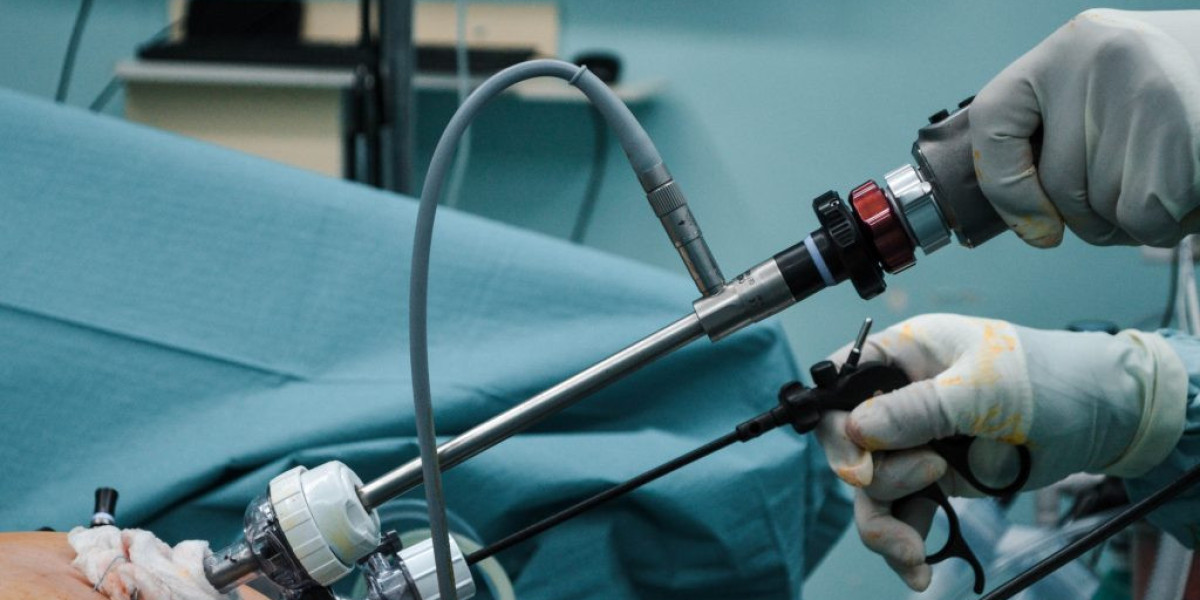

Laparoscopic Surgery in Islamabad, commonly known as keyhole surgery, is a minimally invasive surgical technique used to diagnose and treat several medical conditions. Unlike traditional open surgery, it involves small incisions through which a camera and specialized surgical instruments are inserted. This approach can reduce tissue damage and may allow patients to recover more quickly.
For patients in Pakistan, understanding how laparoscopic surgery works, why it may be recommended, and what recovery involves can make the treatment journey less stressful. This guide explains the procedure in simple terms so patients can discuss their options confidently with a qualified surgeon.
What Is Laparoscopic Surgery?
Laparoscopic surgery is performed through small cuts, usually in the abdomen. A thin instrument called a laparoscope contains a camera that allows the surgeon to view the inside of the abdomen on a monitor. Additional small incisions may be made to insert surgical instruments.
The procedure is generally performed under general anesthesia, meaning the patient is asleep during surgery. Depending on the condition being treated, laparoscopy can be used for both diagnosis and treatment.
Why Is Laparoscopic Surgery Performed?
Doctors may recommend laparoscopic surgery for a variety of conditions. Common examples include gallbladder problems, appendicitis, hernias, certain gynecological conditions, some cancers, and weight-loss procedures. It may also be used when doctors need to examine abdominal or pelvic organs to identify the cause of certain symptoms.
The exact procedure depends on the patient's medical condition, previous surgeries, overall health, and the surgeon's assessment.
Benefits of Laparoscopic Surgery
One of the main reasons laparoscopic techniques are preferred for suitable patients is that they use smaller incisions than conventional open surgery. This can provide several potential advantages.
Patients may experience less postoperative discomfort, smaller scars, a shorter hospital stay, and a faster return to normal activities compared with some open procedures.
However, these benefits vary according to the type and complexity of surgery. Laparoscopic surgery is not suitable for every patient or every medical condition.
What Happens During the Procedure?
Before surgery, the medical team may review your medical history, medications, allergies, and previous operations. You may also require blood tests or imaging depending on the procedure.
During surgery, the surgeon makes a small incision, often near the belly button, and introduces the laparoscope. Carbon dioxide gas is usually introduced into the abdomen to create space and improve visibility. Other small incisions may be used for surgical instruments.
Once the procedure is completed, the instruments are removed, the gas is released, and the small incisions are closed.
Recovery After Laparoscopic Surgery
Recovery varies considerably depending on the type of operation. Some patients can return home on the same day or the following day, while more complex procedures may require a longer hospital stay.
It is common to experience temporary abdominal discomfort, bloating, tiredness, or shoulder-tip pain after surgery. Shoulder discomfort can occur because of the gas used during the procedure and generally improves as the gas is absorbed.
Patients should follow their surgeon's instructions regarding wound care, medicines, physical activity, diet, and follow-up appointments. Gentle movement is often encouraged during recovery, while strenuous activities should be avoided until the healthcare team says they are safe.
Possible Risks and Complications
Although laparoscopic surgery is commonly performed, it is still a surgical procedure and carries potential risks. These can include bleeding, infection, blood clots, injury to nearby organs or blood vessels, and complications related to anesthesia. In some situations, the surgeon may need to convert a laparoscopic procedure into open surgery for safety reasons.
Patients should discuss their individual risks with their surgeon before consenting to surgery.
When Should You Contact Your Doctor?
After surgery, increasing abdominal pain, persistent vomiting, fever, wound redness or discharge, significant bleeding, leg swelling, chest pain, or difficulty breathing should not be ignored. These symptoms can sometimes indicate a complication and require prompt medical assessment.
Frequently Asked Questions
Is laparoscopic surgery painful?
The procedure itself is performed under anesthesia, so you should not feel pain during surgery. Some soreness, abdominal discomfort, bloating, or shoulder pain can occur afterward and is usually managed with appropriate medication and aftercare.
How long does it take to recover from laparoscopic surgery?
Recovery depends on the specific operation. Some diagnostic procedures may have a relatively short recovery, while more complex laparoscopic surgeries can require several weeks for full recovery.
Is laparoscopic surgery safer than open surgery?
For appropriately selected patients, laparoscopic surgery may offer advantages such as smaller incisions and faster recovery. However, safety depends on the medical condition, procedure, patient's health, and surgical expertise.
Can every patient have laparoscopic surgery?
No. Some patients or conditions may require traditional open surgery. Your surgeon will determine whether the laparoscopic approach is appropriate after evaluating your individual circumstances.
How should I prepare for laparoscopic surgery?
Your healthcare team will provide specific instructions. These may include fasting before surgery, reviewing or temporarily adjusting certain medicines, stopping smoking, and arranging transportation home after the procedure.
Final Thoughts
Laparoscopic surgery has become an important minimally invasive option for many surgical conditions. Its smaller incisions and potential for quicker recovery make it an appealing approach for suitable patients. However, the right surgical technique depends on your diagnosis, overall health, and individual circumstances. If you are considering Laparoscopic Surgery in Islamabad, discuss the procedure, expected results, recovery, alternatives, and potential risks with a qualified healthcare professional before making a decision.