
Poppy Pods: What They Are, Their Uses, and the Health Risks You Should Know
Poppy pods show up in flower arrangements, craft stores, herbal forums, and dried bouquets across the country. They look harmless. Beautiful, even. But there's more to these seed capsules than their decorative shape suggests.
This guide walks you through what poppy pods actually are, how people use them, where they stand legally in the United States, and the real health risks tied to them. No scare tactics. Just clear, accurate information you can trust to make safe choices.
What Are Poppy Pods?
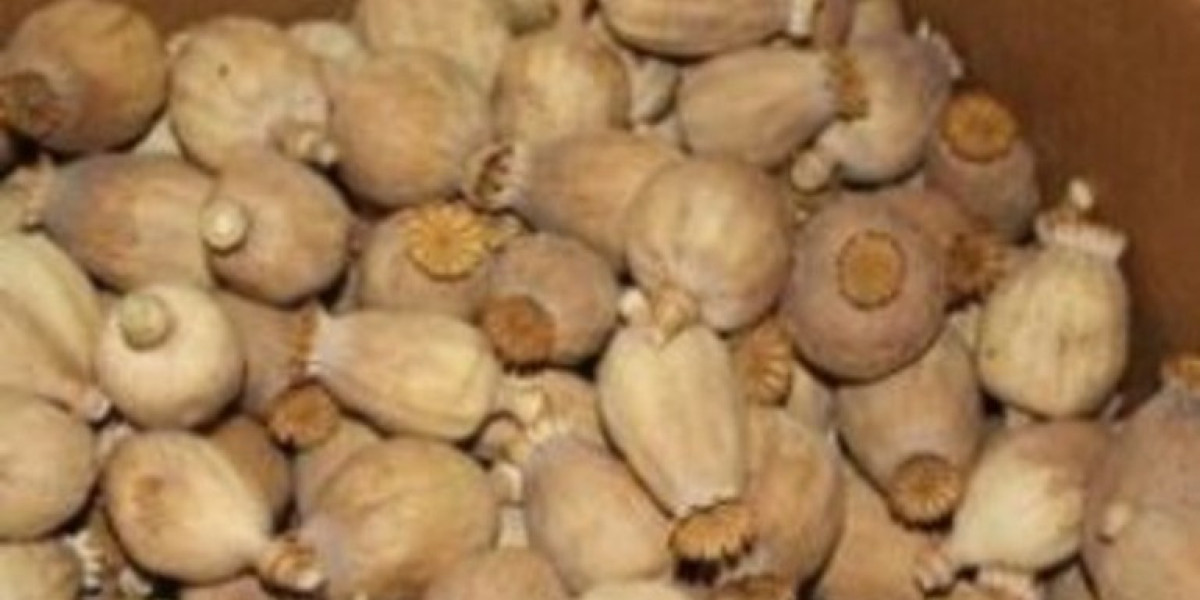
Poppy pods are the dried seed capsules of the opium poppy plant, known scientifically as Papaver somniferum. After the poppy flower blooms and its petals fall away, a rounded seed pod remains at the top of the stem.
Inside that pod sit hundreds of tiny poppy seeds. The walls of the pod and the milky sap it produces contain natural compounds called opium alkaloids. These include morphine, codeine, and thebaine.
Here's the key point. The same plant that gives you the poppy seeds on your bagel also produces one of the most powerful natural sources of opioids on earth.
A Quick Botanical Overview
The opium poppy grows as an annual plant, standing one to four feet tall. Its flowers range from white and pink to deep purple and red. Once pollinated, the flower forms a smooth, egg-shaped pod.
That pod is where the plant stores its most potent chemistry. When the pod is cut or scored while still green, it releases a milky latex. Dried, this latex becomes raw opium.
Even fully dried decorative pods can hold measurable amounts of these alkaloids. That fact matters more than most people realize.
Types of Poppy Pods
Not all poppy pods are the same. Different poppy species and varieties produce pods that look and behave very differently.
- Opium poppy (Papaver somniferum): The variety with the highest alkaloid content. These are the pods tied to health and legal concerns.
- Breadseed poppy: A cultivated form of Papaver somniferum grown mainly for its edible seeds. Still contains alkaloids in the pod and stem.
- Ornamental poppies: Varieties like Oriental or Iceland poppies, grown for their flowers. These typically contain little to no significant opioid content.
- Dried craft pods: Sold in floral and hobby shops, often bleached or dyed. Many still come from Papaver somniferum.
The trouble is that a pod sitting in a craft bin rarely comes labeled with its species or alkaloid level. Visual identification alone won't tell you how much morphine a pod contains.
Historical and Cultural Uses
Poppy pods carry a long human history. Ancient Sumerians called the poppy the "joy plant" more than 5,000 years ago. Egyptian, Greek, and Roman cultures used poppy preparations for pain, sleep, and ritual.
For centuries, opium from poppy pods served as one of the few effective painkillers available to doctors. Morphine, isolated from the poppy in the early 1800s, transformed medicine and surgery.
Today, poppies still hold cultural meaning. The red poppy stands as a symbol of remembrance for fallen soldiers. Poppy seeds flavor breads, pastries, and dishes around the world.
That heritage is real and worth respecting. But history also teaches a hard lesson about how easily poppy-based substances can cause harm.
Legal Status of Poppy Pods in the USA
This part surprises a lot of people. In the United States, Papaver somniferum and its pods occupy a gray legal zone, and the details matter.
Growing opium poppies is technically legal for ornamental purposes. Selling or possessing poppy pods with the intent to extract or consume their opium content is not. That intent is what flips the switch under federal law.
The opium poppy and its parts fall under the Controlled Substances Act when used for their drug content. The Drug Enforcement Administration treats poppy pods as a Schedule II controlled substance in that context.
State laws add another layer. Some states regulate poppy pods more strictly than others. If you're unsure, check your state's specific rules before buying, selling, or growing them.
The safest takeaway is simple. Decorative use exists in a tolerated space, but any use aimed at the plant's opioid content crosses a clear legal line.
Common Uses of Poppy Pods
People turn to poppy pods for several reasons. Some uses are harmless. Others carry serious danger. Knowing the difference protects you and your family.
Decorative Uses
The most common and lowest-risk use is decorative. Dried poppy pods appear in:
- Floral arrangements and dried bouquets
- Wreaths and seasonal centerpieces
- Craft projects and home decor
- Wedding and event displays
Even here, one caution applies. Keep decorative pods well out of reach of children and pets, since the alkaloids remain present even in dried, dyed pods.
Culinary Uses
Poppy seeds harvested from the pods are a beloved kitchen staple. You'll find them in muffins, bagels, cakes, and salad dressings.
The seeds themselves contain only trace amounts of opioid compounds. Eating normal food portions is considered safe for most people.
One thing to know: eating large amounts of poppy seeds can sometimes trigger a positive result on a drug test. This is a documented effect worth remembering before a scheduled test.
Herbal and Traditional Uses
Some people brew poppy pods into teas or tinctures, believing this offers pain relief or relaxation. This is where the real danger begins.
Poppy pod tea is not a safe or measurable herbal remedy. There is no way to know how much morphine or codeine ends up in a homemade cup, and the dose can vary wildly from one batch to the next.
This unpredictability has caused hospitalizations and deaths. We'll cover exactly why in the next section.
Health Risks and Dangers of Poppy Pods
Now for the part that matters most for your health. Poppy pods contain real opioids, and treating them casually can have life-threatening consequences.
The Opioid Content Problem
The alkaloids in poppy pods, especially morphine and codeine, act on your body the same way prescription opioids do. They slow your breathing, dull pain, and can create dependence.
The core danger is that you can't measure the dose. A prescription pill contains an exact, tested amount. A poppy pod does not.
Alkaloid levels swing based on the plant variety, growing conditions, and how the pod was processed. Two pods that look identical can carry very different amounts of active drug.
Overdose Risk
Because the dose is unpredictable, poppy pod preparations carry a serious overdose risk. Homemade poppy pod tea has been directly linked to fatal overdoses in the United States.
An opioid overdose slows or stops your breathing. Without fast treatment, it can be fatal within minutes.
Know the warning signs of an opioid overdose:
- Slow, shallow, or stopped breathing
- Blue or gray lips and fingertips
- Pinpoint pupils
- Unresponsiveness or inability to wake the person
- Limp body and gurgling or choking sounds
If you see these signs, call 911 immediately and administer naloxone (Narcan) if it's available.
Dependence and Withdrawal
Regular use of poppy pod preparations can lead to physical dependence, just like other opioids. Your body adapts, and stopping suddenly brings withdrawal.
Withdrawal symptoms include muscle aches, nausea, anxiety, sweating, and intense cravings. These symptoms are deeply uncomfortable and can pull people into a cycle of continued use.
Dependence can build faster than many expect. What starts as occasional use can become a daily need.
Safety Warnings You Shouldn't Ignore
Keep these safety points front and center. They apply whether you're a curious researcher, a crafter, or a parent.
- Never brew or consume poppy pods. The unmeasurable dose makes this genuinely dangerous.
- Store decorative pods away from children and pets. Curious tasting can cause poisoning.
- Don't mix opioids with alcohol or sedatives. This combination sharply raises overdose risk.
- Know that "natural" doesn't mean "safe." Poppy pods are natural and still deadly when misused.
- Watch for drug test surprises. Even culinary poppy seeds can affect test results.
Harm Reduction Information
If you or someone you love is using poppy pods for their opioid content, you're not alone, and help exists without judgment.
Harm reduction focuses on keeping people safe while they work toward change. Small steps can prevent tragedy.
- Carry naloxone (Narcan). It reverses opioid overdoses and is available at many pharmacies without a prescription.
- Never use alone. Having someone nearby who can call for help saves lives.
- Talk to a healthcare professional. A doctor or telehealth provider can discuss safer options and treatment paths with you privately.
- Reach out for support. The SAMHSA National Helpline (1-800-662-4357) offers free, confidential help 24/7.
Getting connected to real support is one of the strongest moves you can make for your health. You deserve care that meets you where you are.
Frequently Asked Questions About Poppy Pods
Are poppy pods legal in the USA?
Poppy pods exist in a legal gray area. Growing and selling them for decorative use is generally tolerated, but possessing them for their opium content is illegal under federal law. State rules vary, so check your local regulations.
Do poppy pods contain opioids?
Yes. Poppy pods from Papaver somniferum contain natural opioids, including morphine and codeine. The amount varies from pod to pod, which makes any consumption unpredictable and risky.
Can you overdose on poppy pod tea?
Yes. Poppy pod tea has caused fatal overdoses in the United States. Because you can't measure the opioid dose in a homemade brew, the risk of taking too much is very real.
Are decorative poppy pods dangerous?
Decorative pods are low-risk when used for display and kept away from children and pets. The danger appears only when someone consumes them. Even dried, dyed pods can still contain active alkaloids.
Do poppy seeds show up on a drug test?
They can. Eating large amounts of poppy seeds may cause a positive result for opiates on a drug test. If you have a test coming up, it's wise to avoid poppy seed foods beforehand.
What are the signs of an opioid overdose?
Watch for slow or stopped breathing, blue lips or fingertips, pinpoint pupils, and an inability to wake the person. Call 911 right away and give naloxone if you have it.
Where can I get help for opioid use?
Contact the SAMHSA National Helpline at 1-800-662-4357 for free, confidential support any time. A healthcare provider can also guide you toward safe treatment options.
The Bottom Line on Poppy Pods
Poppy pods are more than a pretty dried flower. They carry a rich history, real culinary value, and a genuine capacity for harm.
For decoration and cooking, they can fit safely into your life with a few common-sense precautions. For their opioid content, they pose a serious and unpredictable danger that isn't worth the risk.
Your health always comes first. Stay informed, keep pods away from little hands, and reach out for support if you or someone you know is struggling. Real help is available, and taking that first step is a sign of strength.
If you found this helpful, explore our related guides on opioid safety, understanding drug interactions, and finding 24/7 telehealth support whenever you need answers.