
Over the past few years, gut health has become one of the most discussed wellness topics. There is much more to your digestive system than simply digesting food. It plays a direct role in immunity, energy levels, skin health, and even mood. Modern factors like processed food, overuse of antibiotics, and chronic stress quietly disrupt gut bacteria balance for a growing number of people, often years before any obvious digestive problem shows up. The tricky part is that early signs of poor gut health are often subtle and easy to dismiss as "just stress" or "just how my body is." Here are ten silent signs worth paying attention to.
1. Bloating After Almost Every Meal
Occasional bloating is normal, but if your stomach feels distended after most meals, regardless of what you eat, it often points to an imbalance in the gut microbiome bacteria that struggle to break down food efficiently.
2. Irregular or unpredictable bowel movements
Swinging between constipation and loose motions, or bowel habits that change from week to week, is one of the most common signs associated with IBS and gut imbalance. A healthy gut keeps a consistent rhythm.
3. Constant Fatigue Despite Enough Sleep
Feeling tired even after a full night's sleep can be linked to poor nutrient absorption in the gut. When the gut lining or microbiome is not functioning well, the body struggles to extract and use nutrients from food efficiently.
4. New or Increasing Food Sensitivity
If foods you once tolerated easily now cause discomfort, bloating, or fatigue, it can be a sign that gut bacteria diversity has dropped, making digestion of certain foods harder than before.
5. Skin Issues Like Acne or Eczema Flare-Ups
Research increasingly points to a gut-skin connection, where inflammation or imbalance in the gut shows up on the skin as breakouts, dullness, or flare-ups of existing conditions like eczema.
6. Frequent Gas That Feels Excessive
Some gas is completely normal, but persistent, excessive, or unusually strong-smelling gas often signals that certain foods are not being broken down properly, usually due to low levels of beneficial gut bacteria.
7. Strong Sugar or Carb Cravings
Gut bacteria thrive on sugar and refined carbohydrates, and an overgrowth can drive cravings. Persistent sugar cravings are sometimes your gut microbiome asking to be fed, not just a willpower issue.
8. Getting Sick More Often Than Usual
A large share of the body's immune activity is centred on the gut. If your gut health is compromised, you may experience frequent colds, infections, or a slower recovery from illness.
9. Mood Swings, Anxiety, or Brain Fog?
Gut and brain are constantly in communication via what researchers refer to as the gut-brain axis. An imbalanced gut microbiome has been linked to mood changes, difficulty concentrating, and low-grade anxiety in some people.
10. Bad Breath That Persists Despite Good Oral Hygiene?
When bad breath continues even with regular brushing, flossing, and hydration, the root cause can sometimes be traced back to digestive issues rather than the mouth itself.
Why These Signs Often Get Missed
Because these symptoms show up in seemingly unrelated parts of the body, like skin, energy levels, mood, and immunity, most people do not connect them back to gut health. A dermatologist treats acne, a general physician treats fatigue, and the underlying gut imbalance driving several of these issues together often goes unaddressed. Looking at these signs as a pattern, rather than as isolated complaints, is usually the first step toward identifying and fixing the root cause.
What Helps Restore Gut Health?
Diet is the foundation: more fibre, fermented foods, and water, along with fewer processed foods and less sugar. Indian staples like curd, idli, and dosa are naturally fermented and support a healthy gut microbiome when eaten regularly, alongside fibre-rich vegetables and whole grains. For many people, though, diet changes alone take time to show results, which is where clinically validated probiotic and prebiotic support can speed things up.
The GutBio product from Healing Hands provides 25 billion live CFUs from 10 selected probiotic strains to rebalance the gut bacteria. GutBio Plus offers a stronger 50 billion CFU formulation for more pronounced gut issues. KiwiBiotic, a prebiotic juice made from kiwifruit pulp, supplies soluble and insoluble fibre that feeds these beneficial bacteria, helping probiotics work more effectively.
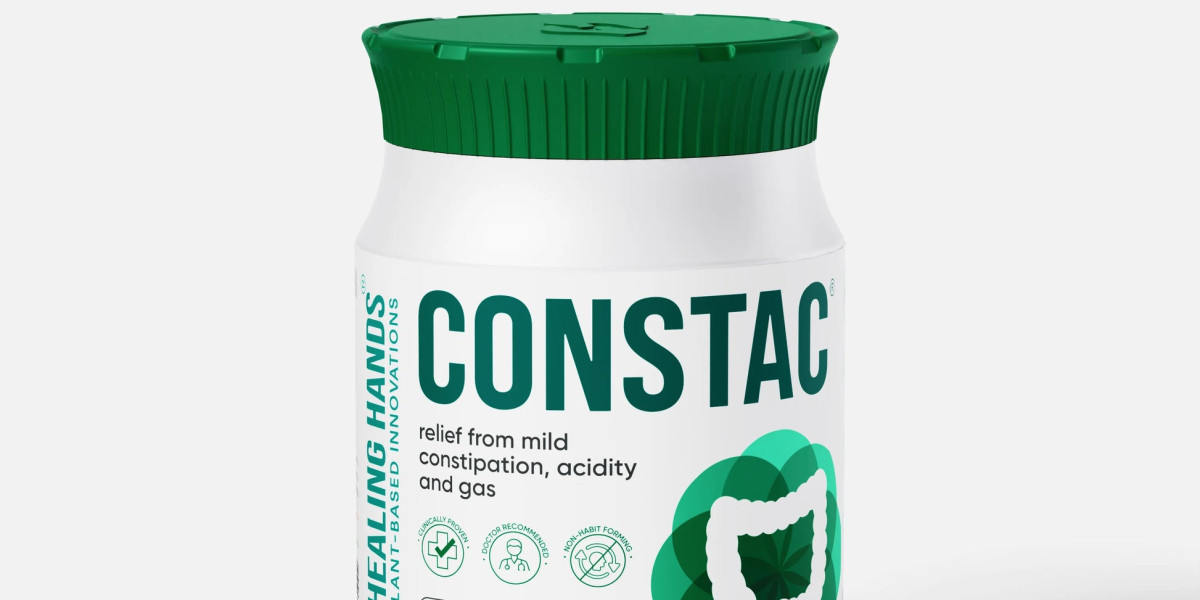
For those dealing with both irregular bowel movements and gut imbalance, the IBS-Constipation Kit combines GutBio, KiwiBiotic, and the appropriate Constac laxative into one structured, plant-based protocol, rather than treating each symptom separately.
Conclusion
Most people wait for obvious digestive distress before thinking about gut health, but the early signs are usually quieter than that: persistent bloating, low energy, skin flare-ups, or getting sick more than usual. Paying attention to these signals early and supporting your gut with the right diet and clinically validated probiotic and prebiotic formulations makes it far easier to address gut imbalance before it turns into a more serious digestive issue.
FAQs
How do I know if my symptoms are gut-related or other?
If you notice several of these signs together, especially bloating, irregular bowel movements, and fatigue, it is worth discussing gut health specifically with a doctor rather than treating each symptom in isolation.
Can poor gut health really affect my skin and mood?
Yes. Growing research supports both a gut-skin connection and a gut-brain axis, where imbalances in gut bacteria can influence inflammation, mood, and skin health.
If gut health is improved, how long does it take?
With consistent diet changes and probiotic or prebiotic support, many people notice improvements in digestion and energy within three to four weeks, though full microbiome rebalancing can take longer.
Are probiotics and prebiotics the same thing?
No. Probiotics are living beneficial bacteria, while prebiotics are the fibre that feeds and supports those bacteria. Using both at the same time works better than either alone.
Is IBS the same as having poor gut health?
Not exactly. IBS is a specific diagnosed condition. Poor gut health is a broader state that can contribute to IBS symptoms as well as many of the other signs listed above.