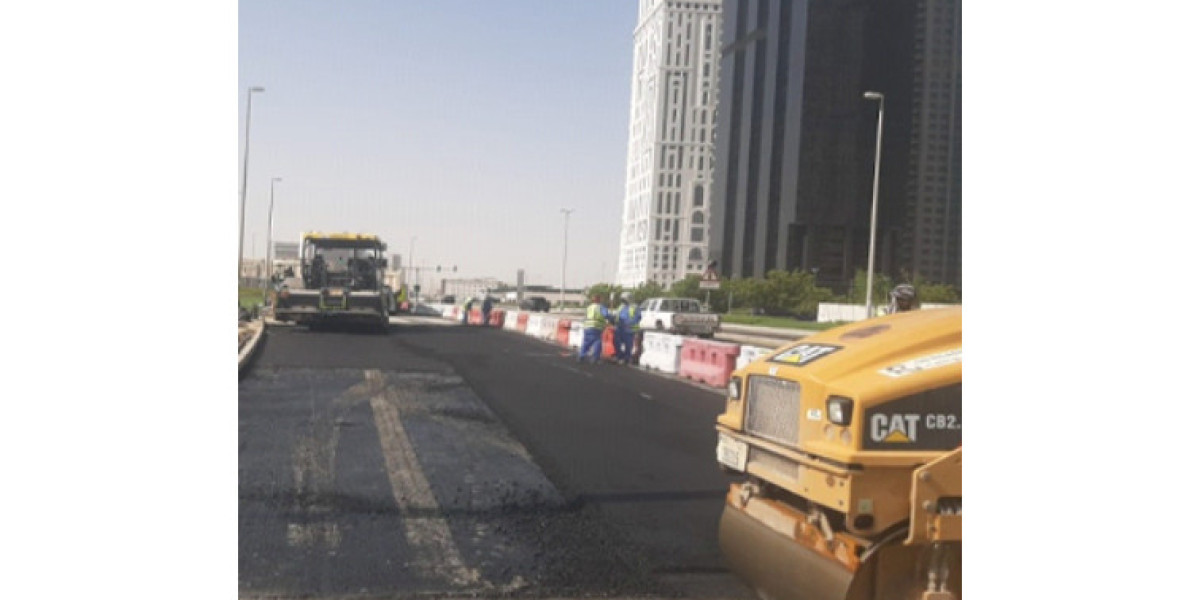

Urban development depends on infrastructure that is designed to serve communities for many years. Roads, underground utilities, drainage systems, and transportation corridors all work together to support economic activity and everyday life. As cities continue expanding, infrastructure projects must balance durability, safety, sustainability, and cost efficiency. Choosing Rta Approved Road Contractors In Dubai for projects that require compliance with established construction standards helps create transportation networks that remain dependable while supporting future growth.
Constructing modern infrastructure is a carefully coordinated process involving engineering expertise, environmental planning, quality materials, and continuous monitoring. Every stage contributes to creating assets capable of meeting the demands of growing populations and increasing traffic volumes.
Building Infrastructure With a Long-Term Vision
Infrastructure should never be planned only for today's requirements. Every project should consider future development, allowing cities to expand without placing excessive pressure on existing facilities.
Long-term planning offers several advantages:
Better transportation efficiency
Lower maintenance expenses
Improved public safety
Greater investment opportunities
Enhanced community connectivity
Sustainable urban growth
Planning ahead reduces the likelihood of expensive reconstruction projects later.
Evaluating Project Requirements
Before construction begins, engineers gather important information to guide design decisions.
Typical evaluations include:
Ground conditions
Expected traffic loads
Utility locations
Environmental considerations
Drainage patterns
Future expansion plans
Accurate assessments improve project efficiency while minimizing unexpected challenges.
The Role of Strong Foundations
A road performs well only when its supporting structure is properly designed.
Every pavement system includes multiple layers that work together to distribute vehicle loads and resist structural movement.
These layers generally consist of:
Stabilized subgrade
Base course
Structural support layer
Surface pavement
Each layer must meet engineering requirements to ensure long-term durability.
Importance of Proper Compaction
Compaction increases the strength of foundation layers and minimizes future settlement.
Properly compacted materials help:
Improve load distribution
Reduce pavement movement
Extend service life
Minimize structural damage
Attention to this stage significantly improves overall roadway performance.
Selecting Reliable Construction Materials
Material quality directly affects the lifespan of infrastructure.
Well-selected materials provide:
Greater durability
Better resistance to weather
Improved structural stability
Reduced maintenance needs
Enhanced driving comfort
Using consistent, high-quality materials contributes to reliable long-term performance.
Maintaining Quality Standards
Construction quality should be verified throughout every phase.
Routine inspections commonly include:
Material testing
Density verification
Thickness measurements
Surface alignment checks
Structural evaluations
Continuous quality control helps prevent defects before they become larger issues.
Effective Drainage Protects Infrastructure
Water management is essential for preserving road structures.
Without proper drainage, moisture can weaken pavement foundations and accelerate deterioration.
Effective drainage systems often include:
Surface grading
Side drains
Collection channels
Underground drainage networks
Scheduled cleaning programs
Efficient water management protects infrastructure investments over the long term.
Prioritizing Safety During Construction
Construction activities should always focus on protecting workers and the public.
Important safety practices include:
Clearly identified work areas
Traffic control measures
Protective barriers
Personal safety equipment
Equipment inspections
Emergency preparedness
Maintaining a safe workplace improves productivity while reducing project risks.
Coordinating Construction Activities
Large infrastructure projects require close coordination between multiple teams.
Effective scheduling helps:
Avoid unnecessary delays
Improve resource management
Reduce operational conflicts
Maintain construction quality
Strong coordination supports timely project completion.
Supporting Sustainable Development
Modern construction increasingly emphasizes environmentally responsible practices.
Sustainable initiatives may involve:
Reusing suitable materials
Minimizing waste generation
Conserving natural resources
Improving operational efficiency
Protecting surrounding landscapes
These efforts contribute to responsible development while maintaining engineering excellence.
Maintaining Infrastructure Throughout Its Life
Infrastructure should receive regular attention long after construction is complete.
Preventive maintenance programs typically include:
Pavement inspections
Minor repairs
Crack treatment
Drainage maintenance
Performance monitoring
Routine maintenance preserves infrastructure quality while reducing long-term repair costs.
Early Detection Prevents Major Repairs
Small defects often appear long before serious failures occur.
Regular inspections help identify:
Surface wear
Minor cracking
Drainage issues
Localized settlement
Structural movement
Addressing these issues promptly extends the useful life of infrastructure.
Technology Improving Construction Efficiency
Engineering technology has transformed modern infrastructure development.
Digital surveying, precision equipment, automated monitoring systems, and data-driven analysis improve construction accuracy while supporting better decision-making throughout the project lifecycle.
Technology also enhances documentation and long-term asset management.
Preparing Cities for Future Growth
Urban populations continue increasing, making future-ready infrastructure more important than ever.
Infrastructure planning should account for:
Population growth
Higher traffic volumes
Commercial expansion
Utility upgrades
Changing transportation needs
Flexible designs allow infrastructure to adapt without requiring frequent reconstruction.
Collaboration Builds Better Communities
Successful infrastructure projects depend on teamwork among planners, engineers, inspectors, construction specialists, and maintenance professionals.
Open communication improves efficiency, reduces delays, and ensures every stage aligns with long-term project objectives.
Strong collaboration ultimately delivers infrastructure that benefits communities for generations.
Conclusion
High-quality infrastructure is created through thoughtful planning, precise engineering, durable materials, and continuous maintenance. Every decision made during design, construction, and preservation influences the safety, efficiency, and longevity of transportation networks. Investing in proactive infrastructure management helps cities meet future demands while maximizing long-term value. Reliable underground utility systems installed through Grp Pipeline Contractors In Dubai further strengthen urban development by supporting essential services that complement modern transportation infrastructure.












