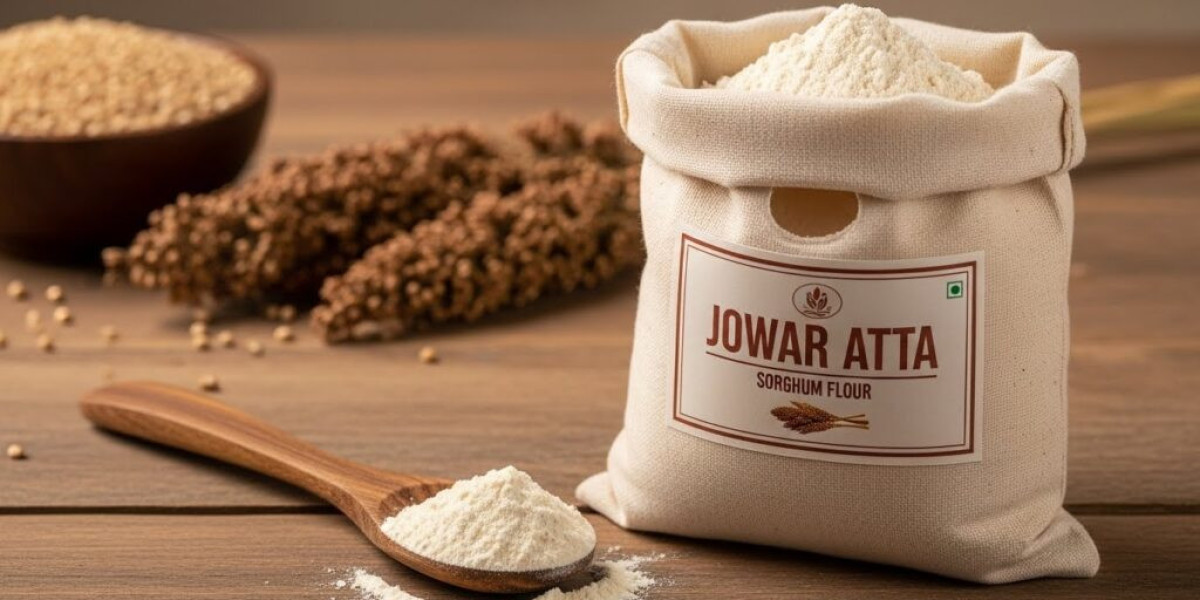

If you've walked through your grandmother's kitchen, chances are you've seen a tin of jowar atta tucked away next to the wheat flour. For generations, this humble sorghum flour has been a quiet staple in Indian homes — ground fresh, kneaded with warm water, and turned into soft rotis and crisp bhakris. In recent years, it has stepped out of the shadows of tradition and into the spotlight of modern nutrition, thanks to its gluten-free profile, high fiber content, and low glycemic index.
In this guide, we'll break down everything you need to know about jowar atta — what it is, its nutritional value, health benefits, how to cook with it, and how to choose the best quality flour for your kitchen.
What is Jowar Atta?
Jowar atta is the flour made by grinding jowar, also known as sorghum, one of the oldest cultivated grains in the world. Sorghum has been a dietary cornerstone across India, Africa, and parts of the Middle East for thousands of years, valued for its hardiness as a crop and its wholesome nutritional makeup.
Unlike wheat, this grain does not contain gluten, which makes it a natural choice for anyone managing celiac disease, gluten intolerance, or simply looking to reduce gluten in their diet. The flour has a pale, slightly grainy appearance and a mild, nutty flavor that lends itself beautifully to rotis, bhakris, parathas, and even savory snacks.
Traditionally, it was stone-ground at home or by local mills, a process that preserves the grain's fiber, natural oils, and minerals. Today, most commercially available sorghum flour is machine-milled and stored for weeks or months before it reaches store shelves, which can dull its aroma and reduce its nutritional freshness. This is why more households are now actively seeking out freshly stone-milled flour rather than settling for mass-produced, shelf-stored packets.
Jowar Atta Nutrition: What Makes It So Wholesome
One of the biggest reasons this flour has earned a permanent place in health-conscious kitchens is its nutrient density. Here's a look at what a typical 100g serving offers:
| Nutrient | Per 100g |
|---|---|
| Dietary Fiber | 7 g |
| Protein | 11.0 g |
| Key Minerals | Iron & Manganese |
| Glycemic Index | Low — slow-release energy |
| Gluten | None—naturally gluten-free |
These numbers tell a compelling story. With roughly 7g of fiber per 100g, it supports healthy digestion far better than refined flours. The protein content, at 11g per 100g, is notably high for a cereal-based flour, making it a smart addition to a plant-based or vegetarian diet. And with a low glycemic index, this grain releases energy gradually into the bloodstream rather than causing the sharp spikes associated with refined carbohydrates.
Health Benefits of Jowar Atta
1. Naturally Gluten-Free
For people with celiac disease or non-celiac gluten sensitivity, finding a grain-based flour that doesn't trigger discomfort can be a challenge. Jowar atta solves this problem elegantly, since sorghum contains no gluten at all. This makes it a dependable everyday roti flour for anyone following a gluten-free lifestyle, without needing to compromise on taste or texture.
2. Supports Healthy Blood Sugar Levels
Because of its low glycemic index and fiber content, this flour is often recommended as part of a diabetes-friendly diet. The slow digestion of its complex carbohydrates means energy is released steadily, helping to avoid the blood sugar spikes and crashes that come with high-GI foods. While it can be a sensible everyday choice for those watching their blood sugar, it's always wise to consult your doctor for personalized dietary targets.
3. Aids Digestion
With 7g of dietary fiber per 100g, sorghum flour contributes meaningfully to gut health. Fiber adds bulk to digestion, supports regular bowel movements, and feeds the beneficial bacteria in your gut microbiome. If you're introducing jowar atta into your diet for the first time, nutritionists often suggest starting gradually — mixing around 25-30% of it with your regular wheat atta and slowly increasing the ratio over a couple of weeks. This eases your digestive system into the higher fiber content without discomfort.
4. A Good Source of Plant Protein
At 11g of protein per 100g, this flour punches above its weight compared to many other cereal flours. This makes it a useful addition to vegetarian and vegan diets, where protein sources can sometimes be limited.
5. Rich in essential minerals.
Jowar atta contains iron and manganese, two minerals that play important roles in the body. Iron supports oxygen transport in the blood, while manganese contributes to bone health and metabolic function. Including this flour as part of a varied diet can help contribute to overall mineral intake.
6. Naturally Free of Additives
Traditional stone-ground sorghum flour, when milled fresh and without chemical treatment, retains its nutrients better than heavily processed flour that has been sitting on a shelf for months. Choosing a freshly milled, additive-free jowar atta means you're getting the grain in as close to its natural state as possible.
How to Use Jowar Atta in Your Kitchen
This flour is wonderfully versatile once you understand its unique texture. Because it lacks gluten, it doesn't have the same elasticity as wheat dough, which means the technique for using it is slightly different.
Rotis and Bhakris The most common use for jowar atta is making soft rotis or the traditional Maharashtrian bhakri. Since the dough can be a little tricky to roll without gluten's binding effect, it's best kneaded with warm or hot water rather than cold. Let the dough rest for a few minutes before rolling, and be gentle when patting it out — many home cooks use their palms directly on a hot tawa for bhakri, rather than a rolling pin.
Blending With Wheat Flour If you're new to cooking with sorghum flour, a 50:50 mix of jowar atta and wheat flour is a great starting point. This blend gives you the health benefits of jowar while retaining some of the elasticity of wheat, making the dough easier to work with as you build confidence.
Parathas and Cheelas It also works beautifully in stuffed parathas and savory cheelas (Indian pancakes). Its slightly nutty flavor pairs well with spices, vegetables, and herbs, making it an easy way to add whole grains to breakfast or snack time.
Healthy Snacks Beyond rotis, this gluten-free flour can be used to make crackers, savory biscuits, and other baked snacks for those looking for an alternative to refined flour snacks.
Choosing the Right Jowar Atta
Not all sorghum flour is created equal. When shopping for it, keep the following in mind:
- Freshness matters. Because jowar atta has no preservatives, flour that has been sitting in storage for extended periods can lose its aroma and some of its nutritional value. Look for flour that is milled close to the time of purchase.
- Stone-ground is better. Traditional stone-milling generates less heat than high-speed industrial grinding, which helps preserve the natural oils, fiber, and micronutrients in the grain.
- Check for additives. Pure jowar atta should contain nothing but ground sorghum — no fillers, no chemical whiteners, no preservatives.
- Look for proper certification. Reliable brands are typically FSSAI licensed and follow recognized food safety standards, which offers assurance around hygiene and quality control.
- Storage instructions. Because it's free of preservatives, this flour should be stored in an airtight container in a cool, dry place and used within a few weeks for best freshness.
Frequently Asked Questions About Jowar Atta
Is jowar atta gluten-free? Yes. Jowar, or sorghum, is naturally gluten-free, making this flour suitable for people with gluten intolerance or celiac disease.
Is it good for diabetics? Jowar atta has a low glycemic index and a good fiber content, which allows it to release energy slowly. This makes it a sensible everyday choice for those managing blood sugar, though it's best to consult a doctor for individual dietary guidance.
Can I eat jowar roti every day? Yes, jowar roti is light and fiber-rich, making it suitable for daily consumption. If you're new to it, it's best to start by blending it with wheat atta and gradually increasing the proportion over two to three weeks.
What can I make with jowar atta? It's commonly used to make soft rotis, bhakris, parathas, cheelas, and a variety of healthy gluten-free snacks.
How do I make soft jowar rotis? Knead the dough with warm or hot water, let it rest briefly, and roll or pat it out gently. Blending jowar atta 50:50 with wheat flour makes the process easier while you get used to working with it.
How should I store it? Keep jowar atta in an airtight container in a cool, dry place, and use it within a few weeks, since it contains no preservatives.
Final Thoughts
Jowar atta isn't just a nostalgic throwback to traditional Indian kitchens — it's a genuinely nutritious, versatile flour that fits seamlessly into modern, health-conscious eating habits. Whether you're managing gluten intolerance, keeping an eye on blood sugar, or simply looking to add more fiber and plant protein to your diet, this sorghum flour offers a wholesome, natural solution. The key is choosing a fresh, stone-ground, additive-free product, and giving your palate a little time to adjust to its distinct texture and flavour. Once you do, it may well become as much of a kitchen staple for you as it has been for generations of Indian households before.