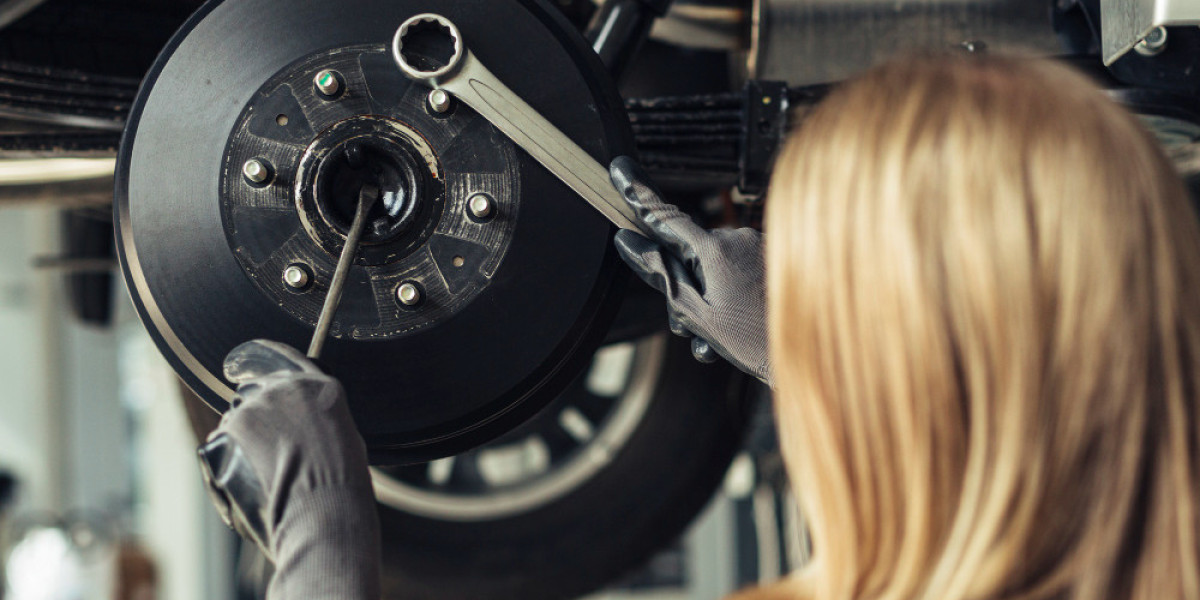

In the B2B logistics sector, the wheel hub assembly is the most critical interface between a heavy-duty vehicle and the road. However, for many fleet operators, "hub bearing failure" is a recurring nightmare that leads to more than just high repair bills—it leads to catastrophic wheel-off incidents and total loss of vehicle control. The "problem" isn't simply that bearings wear out; it’s that standard components are failing to meet the rigorous axial and radial load demands of 2026-spec electric and autonomous transport fleets.
At NMR Bearing, we understand that a hub bearing is not a commodity; it is a high-precision safety component. This article provides a technical roadmap to identifying why your hubs are failing prematurely and offers a feasible, high-value solution to keep your fleet operational and safe.
The Core Problem: Why Hub Assemblies Fail Prematurely
Most B2B operations suffer from a "failure loop" where bearings are replaced, only to fail again within 12 months. This is rarely a coincidence and usually stems from three specific mechanical stressors:
Micro-Pitting from Contamination: Modern road environments are increasingly harsh. If a hub bearing’s seal integrity is compromised by road salt or industrial debris, the resulting micro-pitting on the races leads to rapid thermal expansion and eventual seizure.
Improper Pre-load Calibration: A common industry oversight is the "over-torquing" of hub nuts during installation. This creates excessive pre-load, which crushes the rolling elements and generates friction levels that standard lubricants cannot dissipate.
The EV Weight Factor: The transition to electric fleets has introduced heavier battery loads. Traditional hub bearings designed for internal combustion vehicles often lack the load-rating (Cr) necessary to handle the increased unsprung mass of EV axles.
The Feasible Solution: Precision-Engineered Gen-3 Hub Units
The most effective solution for B2B procurement is the transition to Generation 3 (Gen-3) Integrated Hub Units. Unlike older designs that require manual bearing pressing and greasing, Gen-3 units are pre-assembled, pre-greased, and pre-sealed with integrated ABS sensors.
NMR Bearing’s Technical Standards:
High-Carbon GCr15 Steel: We utilize vacuum-degassed high-carbon chromium steel. This ensures that the internal races have the structural density to resist the heavy axial loads of fully loaded logistics trailers.
Active Sensor Integration: Our hub bearings feature high-resolution magnetic encoders. In 2026, this is essential for the Advanced Driver Assistance Systems (ADAS) and autonomous braking protocols used in modern fleets.
Advanced Multi-Lip Sealing: We implement a five-lip sealing system that provides a "zero-leakage" barrier against moisture and dust while maintaining low rolling resistance to maximize fuel and battery efficiency.
2026 SEO Strategy: E-E-A-T and Technical Authority
In today’s "Answer Engine" search landscape, ranking for a keyword like "hub bearing" requires Experience, Expertise, Authoritativeness, and Trustworthiness. Search engines now prioritize content that bridges the gap between a part number and a mechanical result.
By providing data on L10 Life Expectancy and ISO 9001:2015 Standards, NMR Bearing establishes itself as a technical partner rather than just a vendor. Backlink-worthy content must be "Expert-Verified." In 2026, this means citing IATF 16949 standards and providing real-world failure analysis that helps a fleet engineer solve a specific problem. When a procurement officer finds a solution that includes specific metallurgy and seal-gap data, they are significantly more likely to trust the brand.
The "Zero-Failure" Installation Protocol
A solution is only as good as its implementation. For B2B maintenance teams, we recommend a "Zero-Failure" protocol to extend the life of the hub assembly:
Surface Integrity Check: Never install a new hub on a scarred or rusted knuckle. Even a 0.05mm deviation can cause the bearing to sit "cocked," leading to uneven wear.
Digital Torque Verification: Always use calibrated digital torque wrenches for the axle nut. Guesswork is the primary cause of early-stage bearing fatigue.
Thermal Baseline Monitoring: Use infrared thermography during the first 50 miles of service. A hub bearing that runs more than 20°C above ambient temperature is likely over-tightened or under-lubricated.
The Business Case: Lowering Total Cost of Ownership (TCO)
From a B2B standpoint, the "cheapest" hub bearing is often the most expensive. A $50 saving on a part can result in a $5,000 towing and emergency repair bill on the side of a highway. By investing in a high-precision Gen-3 unit from NMR Bearing, organizations see a direct improvement in their Total Cost of Ownership (TCO). Fewer replacements mean less labor, higher vehicle uptime, and significantly lower safety liability risks.
Conclusion
The hub bearing is the foundation of vehicle safety and efficiency. Solving the problem of premature wheel-end failure requires moving beyond "commodity" thinking and embracing precision-engineered solutions. By focusing on high-grade GCr15 steel, integrated Gen-3 designs, and rigorous installation protocols, B2B operators can ensure their fleets remain the standard for reliability in 2026. At NMR Bearing, our goal is to provide the mechanical integrity that keeps global logistics moving safely. Precision isn't just our standard—it's your insurance against downtime.