
For fleet managers and automotive technicians, the timing belt is not merely a scheduled maintenance item; it is the heartbeat of the internal combustion engine. Operating under extreme thermal and mechanical stress, this component synchronizes the rotation of the crankshaft and the camshaft. When a timing belt fails, the synchronization is lost instantly. In interference engines, this leads to the pistons striking the valves, resulting in catastrophic mechanical failure that can cost thousands in repairs or necessitate a complete engine replacement.
Despite its critical role, many B2B operators and vehicle owners overlook the subtle warning signs of wear, often waiting for the manufacturer’s recommended interval of 60,000 to 100,000 miles. However, environmental factors, heavy-duty usage, and poor-quality tensioners can significantly accelerate this timeline. Understanding the specific mechanical problems associated with timing belt kits is essential for maintaining operational uptime and vehicle longevity.
The Warning Signs: Diagnosing Impending Belt Failure
Identifying a compromised timing belt kit before it snaps requires a keen ear and a proactive inspection routine. There are three primary "red flags" that indicate the assembly is nearing the end of its functional life:
The High-Pitched Chirp or Squeal: Often heard during startup or idling, this noise usually indicates a pulley or tensioner bearing failure. In a complete timing belt kit, the water pump and idlers are just as vital as the belt itself. A seized bearing can create enough friction to melt the belt teeth in minutes.
Engine Misfires and Rough Idling: As a belt stretches over time, it may "jump a tooth" on the gear. This slight shift in timing disrupts the fuel-to-air ratio and exhaust cycles, causing the engine to shake or lose power under load.
Visible Fraying or Oil Contamination: A physical inspection may reveal "glazing" (a shiny underside) or cracks on the belt’s ribs. Furthermore, if an engine has a front-end oil leak, the oil can degrade the synthetic rubber of the belt, causing it to slip or soften prematurely.
The Solution: Why a Complete Kit Replacement is Non-Negotiable
The most common mistake in automotive procurement and maintenance is replacing only the belt while leaving the old tensioners and water pump in place. This is a false economy. Because the labor required to access the timing assembly is intensive, failing to replace the entire kit simultaneously invites a second, more expensive teardown just a few months later when a secondary component fails.
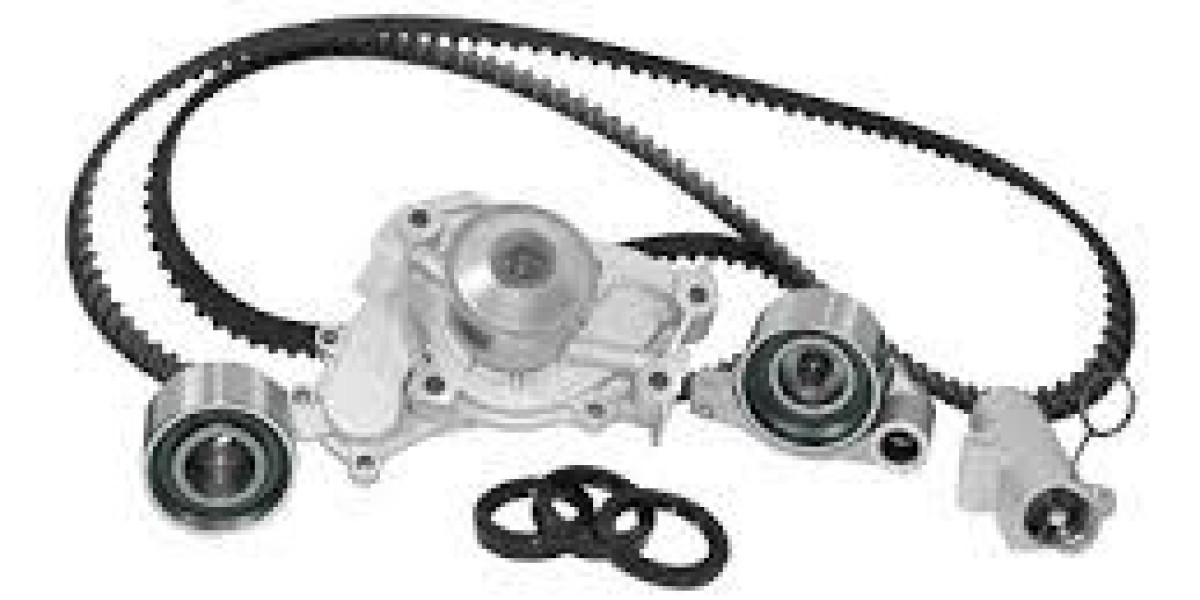
The Professional Grade Solution: A feasible, long-term solution involves the installation of a comprehensive timing belt kit that meets or exceeds OEM specifications. A high-quality kit should include:
The Timing Belt: Constructed from High-Saturated Nitrile (HSN) for superior heat and oil resistance.
The Tensioner: A precision-engineered component to maintain the exact "slack" required for high-RPM operation.
Idler Pulleys: High-grade bearings to ensure smooth rotation and reduced vibration.
Water Pump: Since the timing belt often drives the water pump, replacing it now prevents future cooling system failures.
By opting for a complete kit, businesses ensure that all synchronized components have the same wear-life, providing peace of mind for the next major service interval. For manufacturers like NMR Bearing, ensuring that the bearings within these tensioners and pulleys are of high-precision quality is the difference between a successful repair and a premature comeback.
2026 SEO Standards: Precision and Authority
In the current landscape of Generative Engine Optimization (GEO), search engines prioritize content that demonstrates high EEAT (Experience, Expertise, Authoritativeness, and Trustworthiness). This article avoids "fluff" by focusing on technical diagnostics and professional-grade solutions rather than basic definitions. By addressing the specific pain points of engine damage and the logistical benefits of "kit-based" replacement, this content signals to AI-driven search algorithms that the information is high-value for a B2B audience.
Furthermore, integrating technical insights regarding bearing longevity and material science—key areas where NMR Bearing excels—adds an extra layer of industry authority. This makes the content a prime candidate for high-authority backlinks, as it serves as a definitive resource for technicians and procurement officers looking for technical validation.
Conclusion
The timing belt kit is a prime example of the "pay now or pay much more later" principle in automotive engineering. Ignoring the subtle signs of a ticking tensioner or a frayed belt is a gamble with the life of the engine. By implementing a proactive replacement strategy using comprehensive, high-quality kits, B2B operators can minimize downtime and avoid the massive overhead of emergency engine rebuilds. Precision in components leads to reliability on the road; ensure your maintenance schedule reflects the critical nature of this system to keep your fleet or customer vehicles running at peak performance.