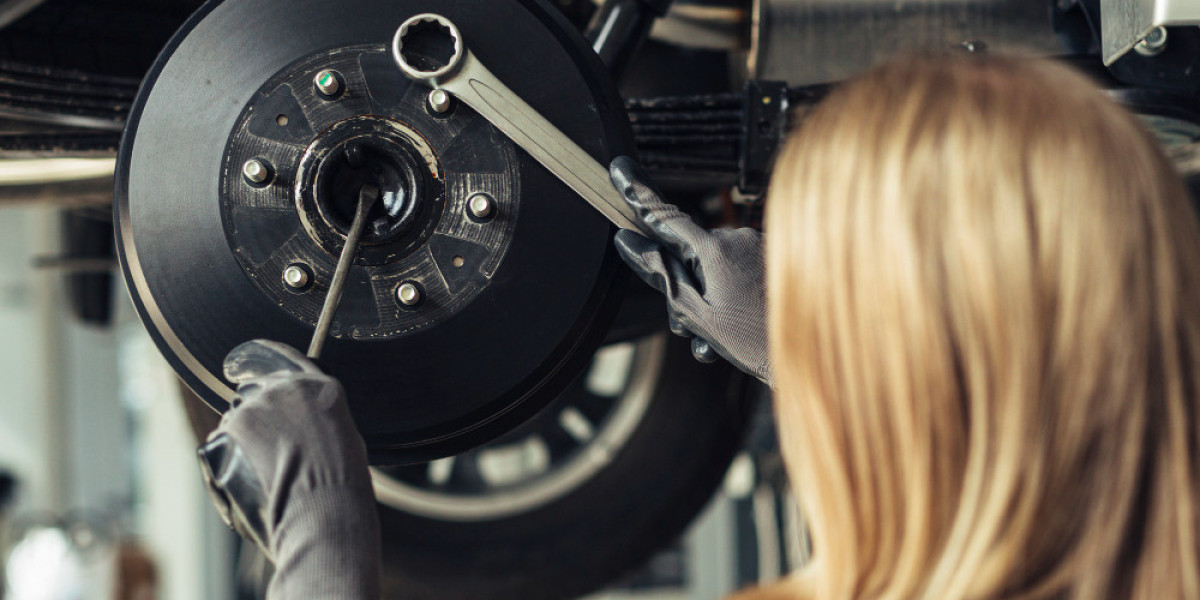

In heavy-duty industrial and automotive B2B sectors, a hub bearing unit is a critical safety component. It manages complex radial and axial loads while maintaining wheel-end stability. When these units fail prematurely, the results can be catastrophic, leading to wheel detachment or total drivetrain seizure. Understanding the specific mechanical and environmental stressors—ranging from lubrication failure to axial misalignment—is vital for ensuring operational uptime and technical reliability.
1. Diagnosing Mechanical Noise and Harmonic Vibration
The earliest stage of hub bearing failure is usually marked by a change in the machine's acoustic profile. A distinct growling or humming noise that changes with speed suggests "brinelling" or "spalling" on the internal raceway. These microscopic indentations occur when the bearing is subjected to extreme shock loads or improper installation force, exceeding its static load capacity.
As these surface defects progress, they create rhythmic vibrations that travel through the suspension or housing. For professional maintenance teams, early detection via vibration analysis is critical. If left unaddressed, the friction will lead to localized heat spikes, eventually causing the bearing steel to warp and permanently damaging the axle spindle.
2. Tribological Breakdown and Seal Degradation
Hub bearing units rely on a precise volume of high-pressure grease to maintain a protective film between the rolling elements. Tribological breakdown occurs when this lubricant is compromised by heat or moisture ingress. If the unit's double-lip seals fail, water and debris enter the raceway, turning the grease into an abrasive paste that grinds down the precision surfaces.
This "lapping" effect quickly destroys the bearing’s internal geometry. Furthermore, excessive heat can cause the lubricant to oxidize and lose its viscosity. When the oil separates from its thickener, metal-to-metal contact becomes inevitable. This leading cause of seizure is often visible as "bluing" on the bearing races, indicating the metal has reached temperatures beyond its metallurgical design limits.
3. Root Causes of Axial Misalignment and Preload Issues
Many hub bearing failures are not due to product defects but improper installation. If the axle retaining nut is not torqued to exact manufacturer specifications, it results in incorrect "preload." Too much pressure causes excessive friction and heat, while too little pressure allows for axial play. This play causes the bearing to "wobble," placing uneven loads on only one side of the raceway.
This uneven loading leads to rapid edge wear and fatigue. In a manufacturing context, precision is the only way to prevent these "comeback" repairs. Using calibrated hydraulic tools ensures the bearing is pressed perfectly square into the housing. Avoiding eccentric rotation is necessary to prevent the micro-cracking that eventually causes the bearing unit to fracture under heavy operational loads.
4. Advanced Sealing and Material Integrity Standards
To maximize the service life of a hub bearing unit, the focus must shift to advanced sealing and material purity. Modern units utilize magnetic encoders and multi-stage seal structures to protect the internal mechanics. Using high-purity chromium steel ensures the bearing can withstand millions of cycles without subsurface fatigue.
Environmental factors like road salt or industrial chemicals can accelerate corrosion if the seal material is not compatible. Selecting units with high-performance elastomers and synthetic greases is vital for B2B fleet longevity. By integrating predictive maintenance protocols—such as checking for hub temperature spikes—operators can schedule replacements before a failure leads to an expensive and dangerous production stoppage.
Conclusion
Resolving hub bearing failures requires a systematic look at installation precision, seal health, and thermal management. By identifying these technical root causes early, you protect your mechanical assets and ensure a much safer and more efficient operational life cycle.
Call to Action Optimize your technical precision with NMR Bearing. We manufacture high-performance micro-displays and specialized optoelectronics for demanding industrial applications. Visit nmrbearing.com today to explore our advanced manufacturing solutions and expert services.









