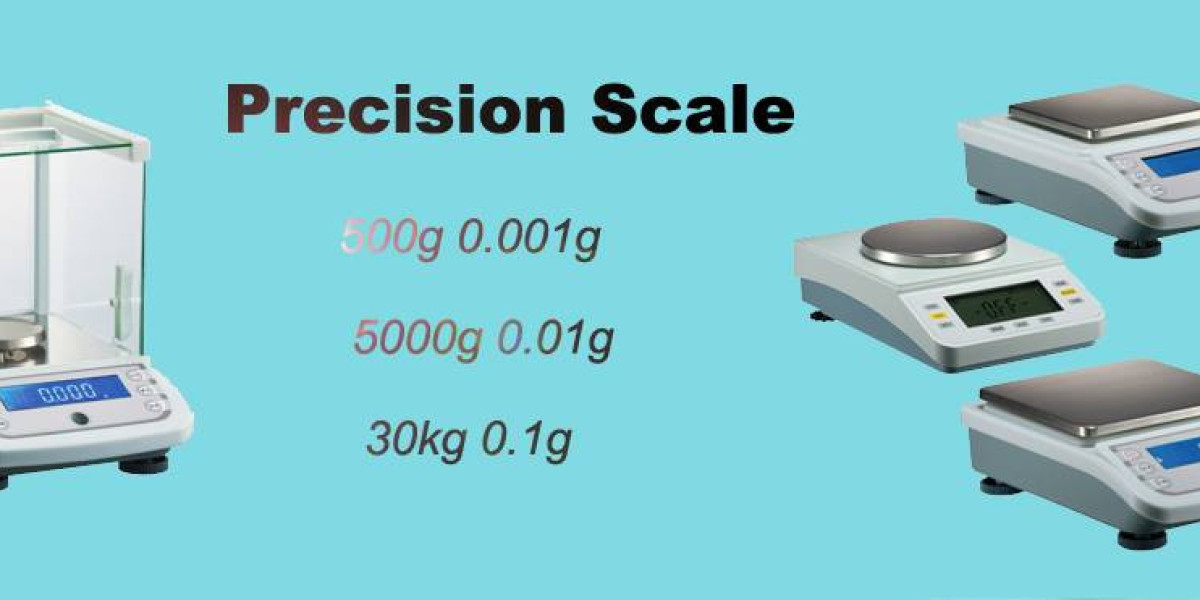

These devices are designed to measure very small masses with precision levels often reaching 0.1mg or even finer. They are widely used in pharmaceutical research, chemical analysis, food testing, and academic laboratories where accurate measurement is essential for reliable results. In modern science, even the smallest deviation in weight can affect the outcome of experiments, making analytical balances a fundamental tool in quality control and research processes.
The evolution of analytical balances has been driven by advancements in technology and engineering. Today’s instruments are far more advanced than traditional mechanical balances, offering digital displays, automatic calibration, and high-precision sensors. These improvements help ensure stability and accuracy even in environments with vibration, air movement, or temperature fluctuations. Modern laboratory equipment is designed not only for precision but also for ease of use, allowing researchers to operate with minimal effort while maintaining maximum accuracy. This shift toward intelligent laboratory instruments has significantly improved efficiency across multiple industries.
In the global laboratory equipment market, analytical balance manufacturers play a crucial role in developing high-performance weighing solutions. These manufacturers focus on innovation, durability, and precision engineering to meet the growing demands of scientific research and industrial applications. By integrating advanced load cell technology, anti-static features, and user-friendly interfaces, they ensure that laboratories can achieve consistent and accurate measurements. Continuous research and development efforts have also led to the introduction of more compact and energy-efficient models that support modern laboratory workflows.
One of the most important features of an analytical balance is its readability and precision range. Depending on the model, these instruments can offer readability options such as 0.1mg, 0.001g, and 0.01g. This level of precision is essential for applications like pharmaceutical formulation, where exact ingredient measurements are critical for product safety and effectiveness. Many modern balances also include draft shields to protect samples from external airflow, ensuring stable readings. Additionally, features like internal calibration systems and overload protection enhance the reliability and longevity of the equipment.
W&J Instrument, founded in 1998, is a professional manufacturer specializing in electronic balances and laboratory instruments. With nearly 30 years of experience in the industry, the company has established itself as a trusted provider of high-quality weighing solutions. It was also among the first companies in China to independently develop rapid moisture analyzers, showcasing its strong commitment to innovation. Over the years, W&J Instrument has expanded its product range to include analytical balances, moisture analyzers, rotary viscometers, and pH meters, serving diverse laboratory requirements across multiple industries.
The company operates with a strong manufacturing foundation, supported by a skilled workforce of approximately 500 employees and a production facility spanning around 3000 square meters. This allows W&J Instrument to maintain strict quality control standards while meeting large-scale production demands. The company also offers OEM and customized solutions, enabling clients to request specific configurations based on their laboratory needs. This flexibility has made W&J Instrument a preferred partner for research institutions, industrial laboratories, and quality control departments worldwide.
Beyond product manufacturing, W&J Instrument emphasizes continuous innovation and customer satisfaction. The company follows a philosophy of mutual growth and long-term cooperation, ensuring that every product is delivered with high reliability and performance standards. Its commitment to research and development allows it to stay competitive in a rapidly evolving market, offering advanced solutions that meet modern laboratory requirements. With strong technical support and global service capabilities, W&J Instrument continues to expand its presence in international markets.
In conclusion, analytical balances are essential tools in achieving precision and consistency in laboratory environments. Their importance spans across multiple industries, from pharmaceuticals to scientific research, where accuracy is non-negotiable. With continuous technological advancements and the efforts of leading manufacturers, these instruments are becoming more efficient, reliable, and user-friendly. Companies like W&J Instrument are contributing significantly to this progress by delivering high-quality, innovative solutions that support the evolving needs of modern laboratories worldwide.