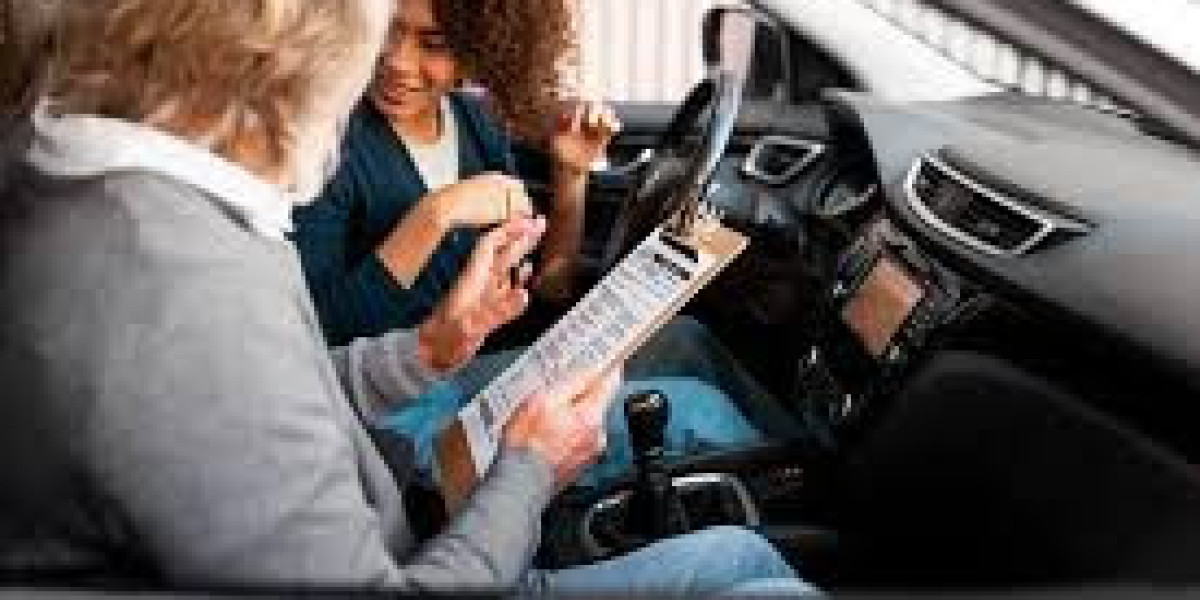

Learning to drive is a significant milestone in life, and choosing the right type of driving lessons can make all the difference. In recent years, automatic driving lessons have surged in popularity, offering learners a simpler, stress-free alternative to manual transmission training. If you’re considering learning to drive, understanding the benefits, structure, and tips for automatic driving lessons can help you make an informed decision.
What Are Automatic Driving Lessons?
Automatic driving lessons focus on teaching you how to operate a vehicle with an automatic gearbox. Unlike manual cars, which require the driver to manually shift gears using a clutch pedal, automatic cars handle gear changes for you. This means the learner can focus entirely on steering, braking, acceleration, and road awareness without worrying about gear changes.
For many new drivers, especially younger learners or those who may find manual transmissions challenging, automatic lessons can be a less intimidating way to gain confidence behind the wheel. The reduced complexity of automatic vehicles allows you to develop better control over your driving skills and react safely to different traffic conditions.
Advantages of Learning in an Automatic Car
- Simplified Driving Experience: The most significant advantage of automatic driving lessons is the simplified driving process. With no clutch pedal or gear changes to manage, learners can focus more on traffic rules, road positioning, and hazard perception.
- Faster Learning Curve: Many learners find they can progress more quickly with automatic cars. Since the mechanical aspect of gear changing is eliminated, beginners often need fewer lessons to reach a competent driving level.
- Reduced Stress: Driving can be stressful for new learners, especially in busy urban areas. Automatic cars reduce cognitive load, making it easier to concentrate on traffic conditions, pedestrian awareness, and following road signs.
- Better for Hilly Areas: Automatic vehicles are especially helpful in regions with steep hills or frequent stop-and-go traffic. There’s no need to worry about stalling or repeatedly pressing the clutch, which can be common difficulties for beginners in manual cars.
- Easier for Older Learners or Those with Disabilities: For individuals with limited mobility or certain physical conditions, automatic cars are more accessible. The absence of a clutch pedal and simpler operation allows more people to drive comfortably.
What to Expect in Automatic Driving Lessons
Automatic driving lessons are structured similarly to manual lessons but with a focus on mastering the essentials of automatic transmission operation. Here’s a breakdown of what you can expect:
- Introduction to the Vehicle: Your instructor will familiarize you with the car’s controls, including the accelerator, brake, indicators, steering, and gear selector. Understanding these basics is crucial for safe driving.
- Starting and Stopping: One of the first lessons in automatic cars is learning to start, stop, and move off safely. Since automatic cars don’t require clutch control, learners can practice smooth acceleration and braking with ease.
- Traffic Awareness and Road Rules: Instructors emphasize hazard perception, observation skills, and adherence to traffic laws. This stage is crucial for building a strong foundation in defensive driving.
- Maneuvers and Parking: Learners practice essential maneuvers such as reversing, parallel parking, bay parking, and three-point turns. Automatic cars make these maneuvers less complicated, as you don’t have to worry about stalling or incorrect gear selection.
- Independent Driving: As you progress, instructors encourage independent driving exercises, such as following road signs, navigating roundabouts, and driving in various traffic conditions. This stage helps build confidence and readiness for the driving test.
- Mock Tests and Assessment: Before taking your driving test, most automatic driving lessons include mock assessments to ensure you’re fully prepared. These simulations help identify areas for improvement and fine-tune your driving skills.
Tips for Success in Automatic Driving Lessons
- Practice Regularly: Consistency is key when learning to drive. Even short, frequent practice sessions between lessons can help reinforce your skills and boost confidence.
- Stay Calm and Focused: Automatic cars reduce mechanical complexity, but road awareness and decision-making remain critical. Take deep breaths, stay attentive, and don’t rush.
- Communicate with Your Instructor: Clear communication with your instructor helps address difficulties promptly. If you struggle with a particular maneuver or traffic situation, let your instructor know.
- Understand the Road Rules: Memorizing road signs, speed limits, and priority rules is essential. Automatic driving lessons allow you to focus more on these rules since you’re not preoccupied with gear changes.
- Gradually Increase Complexity: Begin with quiet roads and simple routes, then gradually move to busier streets, highways, or challenging weather conditions. Progressive exposure builds confidence and competence.
Preparing for the Driving Test in an Automatic Car
The driving test for automatic cars is slightly different from manual car tests. Since automatic cars cannot stall, examiners focus more on observation, control, hazard awareness, and proper road positioning. It’s important to practice both in controlled areas and real traffic conditions. Many learners pass their automatic driving test faster due to the reduced mechanical demands of the vehicle.
Choosing the Right Driving School
Selecting a reputable driving school is crucial for a positive learning experience. Look for instructors who specialize in automatic cars and have a proven track record of helping learners pass their driving tests efficiently. Check reviews, ask for recommendations, and ensure the school uses modern, well-maintained automatic vehicles.
Some driving schools offer intensive courses, which allow learners to complete lessons in a shorter period. These courses are ideal for those with limited time or who prefer focused, daily practice to gain confidence quickly.
Final Thoughts
Automatic driving lessons provide an accessible, stress-free pathway to becoming a competent driver. By removing the challenges of manual gear shifting, learners can concentrate on essential skills like traffic awareness, hazard perception, and safe driving practices.
Whether you’re a young beginner, an older learner, or someone with physical limitations, automatic lessons can make the journey to earning your license smoother and more enjoyable. With consistent practice, supportive instructors, and a structured learning plan, you can confidently navigate the roads and pass your driving test with ease.
Choosing automatic driving lessons is not just about convenience—it’s about setting yourself up for a safer, more confident driving future.