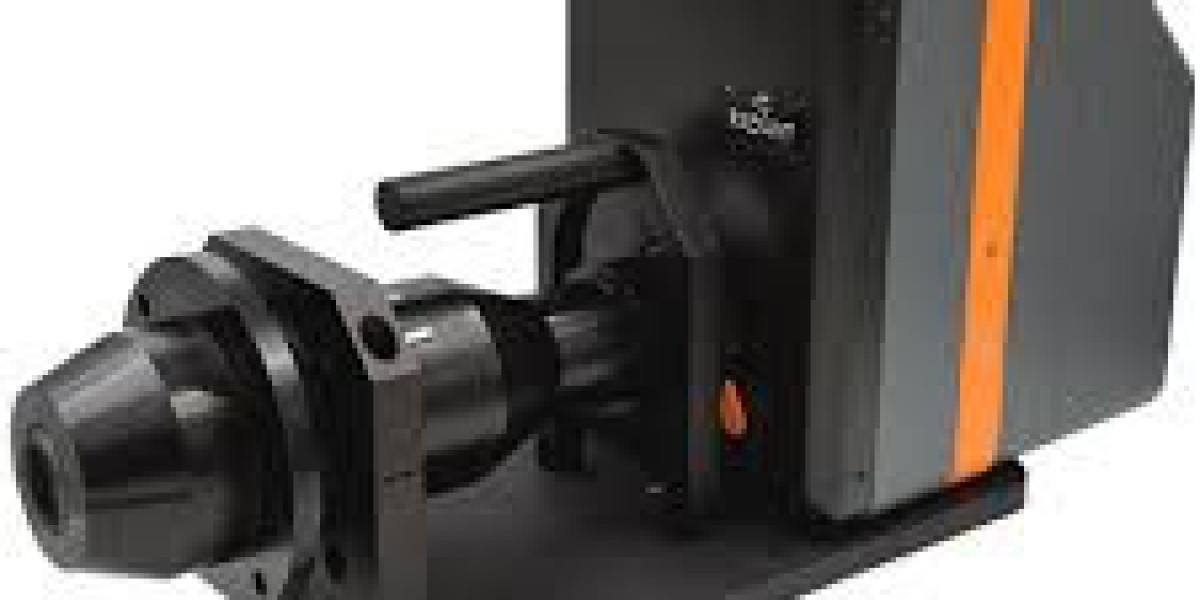

Integrating a conoscope lens into an automated inspection line is a complex task. If your viewing angle measurements are showing inconsistent data, it usually indicates a misalignment between the sensor and the pupil.
In the B2B display industry, capturing high-speed luminance data across wide angles is a major bottleneck. When the lens system suffers from stray light, the resulting interference patterns ruin your "Mura" and color shift analysis.
As an experienced manufacturer, we see how poor optical coatings can degrade a perfect conoscopic image. Success requires a deep focus on numerical aperture stability and the elimination of internal reflections within the assembly.
The Technical Friction of Fourier Transform Optics
In the world of high-end display testing, a conoscope lens—also known as a Fourier transform lens—is essential for measuring light as a function of angle rather than position. However, moving from laboratory testing to a high-volume production line reveals three critical pain points for B2B engineering teams.
1. The Vignetting and Edge-Blur Challenge
When measuring wide viewing angles (up to ±80 degrees), the light at the edges of the optical system often loses intensity.
The Problem: Poorly designed lens elements cause "vignetting," where the edges of the angular map appear darker than the center.
The B2B Fix: You must use high-index glass and specialized aspheric elements to ensure a flat field of view across the entire angular range. This is vital for testing Micro OLED and LCD panels.
2. Angular Resolution and Pupil Matching
A common failure in B2B procurement is the mismatch between the lens exit pupil and the camera sensor.
Data Errors: If the exit pupil is too large for the CMOS sensor, you lose critical angular data at the periphery.
Calibration Drift: Without a mechanically stable housing, the "zero-degree" center point can shift during vibration, requiring constant and expensive recalibration of the measurement system.
3. Stray Light and Ghosting in Dark-Room Testing
Displays are often tested in dark environments to measure contrast ratios. However, a conoscope lens with standard coatings can create "ghost images" from the display’s own light. This "veiling glare" makes it impossible to accurately measure deep blacks or high-dynamic-range (HDR) performance.
Engineering Strategies for Precision Angular Measurement
To avoid these common pitfalls, your R&D and quality control teams should focus on these specialized optoelectronic solutions:
Wide-Angle Telecentricity: Ensure your lens is designed with telecentricity in the image space. This keeps the light rays perpendicular to the sensor, preventing pixel-shading issues that skew color accuracy data.
Multi-Layer Anti-Reflective (AR) Coatings: Request custom BBAR coatings optimized for the visible spectrum (400nm–700nm). This reduces internal bounce-back and ensures the Fourier optics provide a clean signal-to-noise ratio.
Thermal Compansation Mounts: Displays generate heat. If the lens mount expands, the focal plane shifts. Using Invar or specialized alloys in the lens barrel maintains a fixed distance, even during long production shifts.
The Role of Conoscope Lenses in AR/VR Testing
We are seeing a massive shift toward near-to-eye (NTE) display testing. Unlike a standard monitor, an AR headset requires a conoscope lens that mimics the human eye's entrance pupil. For B2B buyers, this means selecting lenses with a specific "eye-box" clearance to ensure the measurement represents exactly what the end-user will see.
Performance Comparison Matrix
| Measurement Metric | Standard Lens | B2B Conoscope Lens |
| Angular Range | Limited (±10°) | Ultra-Wide (±80° or more) |
| Data Format | Spatial (Position) | Angular (Direction) |
| QC Speed | Slow (Mechanical Scan) | Instant (Single-Shot Capture) |
Why Consistency in Bulk Supply is Mandatory
In the B2B supply chain, "precision" cannot be a one-time event. Every conoscope lens in your fleet must have an identical angular-to-pixel map. Working with a manufacturer that provides detailed interferometric reports ensures that your QC data is consistent across different manufacturing plants and global regions.
Conclusion
Arvr-Optical is a premier manufacturer and supplier of precision conoscope lenses. We provide custom optical designs and bulk supply to solve your B2B display measurement needs.