
Manual Lymphatic Drainage is a specialized massage technique that plays a crucial role in post-surgery recovery. By stimulating the lymphatic system, this gentle therapy helps reduce swelling, alleviate discomfort, and promote faster healing. Understanding how manual lymphatic drainage works and incorporating it into recovery plans can enhance overall well-being and support a smoother, more comfortable recuperation process.
How Manual Lymphatic Drainage Works:
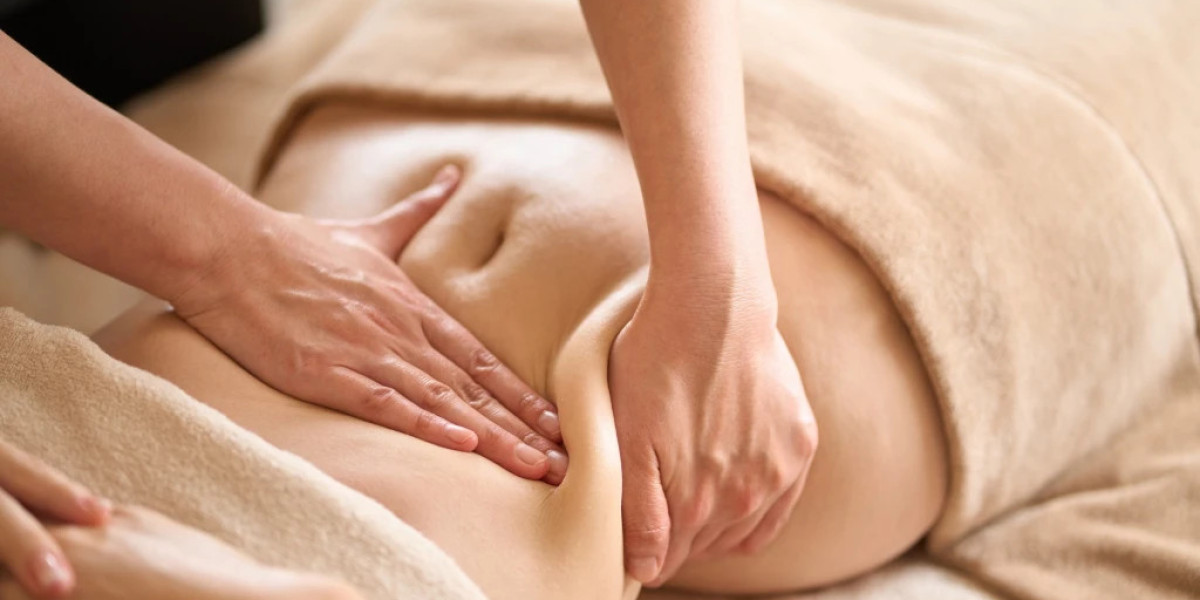
Manual lymphatic drainage uses light, rhythmic strokes to encourage the movement of lymph fluid through the body’s vessels and nodes. This technique supports the natural elimination of toxins, reduces fluid retention, and improves circulation, which is particularly beneficial after surgical procedures. Unlike traditional massage, the pressure is soft and precise, focusing on facilitating lymph flow rather than targeting muscles.
Benefits for Post-Surgery Recovery:
Incorporating manual lymphatic drainage into recovery plans offers multiple benefits:
Reduced Swelling: Helps manage edema and fluid buildup around surgical sites.
Pain Relief: Gentle massage can alleviate tension and discomfort.
Faster Healing: Supports oxygen and nutrient delivery to tissues, enhancing repair.
Improved Circulation: Promotes efficient blood and lymph flow for recovery.
Immune Support: Stimulates lymph nodes to enhance natural defense mechanisms.
Who Can Benefit:
Manual lymphatic drainage is suitable for most patients recovering from surgery, particularly those experiencing swelling or fluid retention:
Individuals recovering from cosmetic or reconstructive surgery.
Patients following orthopedic procedures or joint surgeries.
People dealing with post-operative edema or inflammation.
Those seeking gentle, supportive therapies to complement medical care.
Anyone aiming to improve circulation and overall recovery outcomes.
Techniques Used in Post-Surgery Lymphatic Massage:
Trained therapists employ specific techniques to maximize recovery benefits:
Gentle Pumping Movements: Move lymph fluid toward central ducts to reduce swelling.
Light Circular Motions: Stimulate lymph nodes and encourage drainage.
Stationary Pressure: Applied to key points to support fluid movement.
Sequential Flow: Follows a precise order to optimize lymphatic circulation.
Preparing for a Session:
Proper preparation enhances the effectiveness of manual lymphatic drainage after surgery:
Hydration: Drink water to support lymph fluid movement.
Comfortable Clothing: Loose attire ensures easy access to treated areas.
Medical Clearance: Always consult your surgeon or healthcare provider before starting.
Relaxed Mindset: A calm environment supports the body’s natural healing process.
Aftercare and Maintenance:
Post-session care helps sustain the benefits of manual lymphatic drainage:
Continue Hydration: Supports ongoing detoxification and lymph flow.
Gentle Activity: Light walking or stretching promotes circulation without strain.
Balanced Nutrition: Foods rich in vitamins and minerals aid tissue repair.
Consistent Sessions: Regular therapy may accelerate recovery and reduce swelling.
Safety Considerations:
Although manual lymphatic drainage is gentle, certain precautions are essential:
Avoid massage over infected or open surgical sites.
Consult your doctor if you have heart, kidney, or cancer-related conditions.
Ensure your therapist is trained and certified in post-surgical lymphatic drainage.
Do not apply excessive pressure, as it can interfere with delicate tissues.
Integrating Lymphatic Massage into Recovery Routine:
Combining manual lymphatic drainage with other recovery strategies can optimize healing:
Physical Therapy: Complements rehabilitation exercises to restore mobility.
Mindfulness Practices: Meditation or deep breathing supports relaxation and recovery.
Balanced Diet: Nutrient-dense foods enhance healing and reduce inflammation.
Hydration Practices: Maintain adequate water intake to support lymphatic function.
Final Thoughts:
Manual lymphatic drainage is a valuable therapy for post-surgery recovery, offering gentle yet effective support for reducing swelling, promoting circulation, and accelerating healing. By understanding its techniques, benefits, and aftercare, patients can safely incorporate this therapy into their recovery routines. Whether recovering from cosmetic, orthopedic, or general surgery, manual lymphatic drainage provides a practical and therapeutic approach to enhance comfort, reduce complications, and support overall post-operative well-being.